Toggle light / dark theme

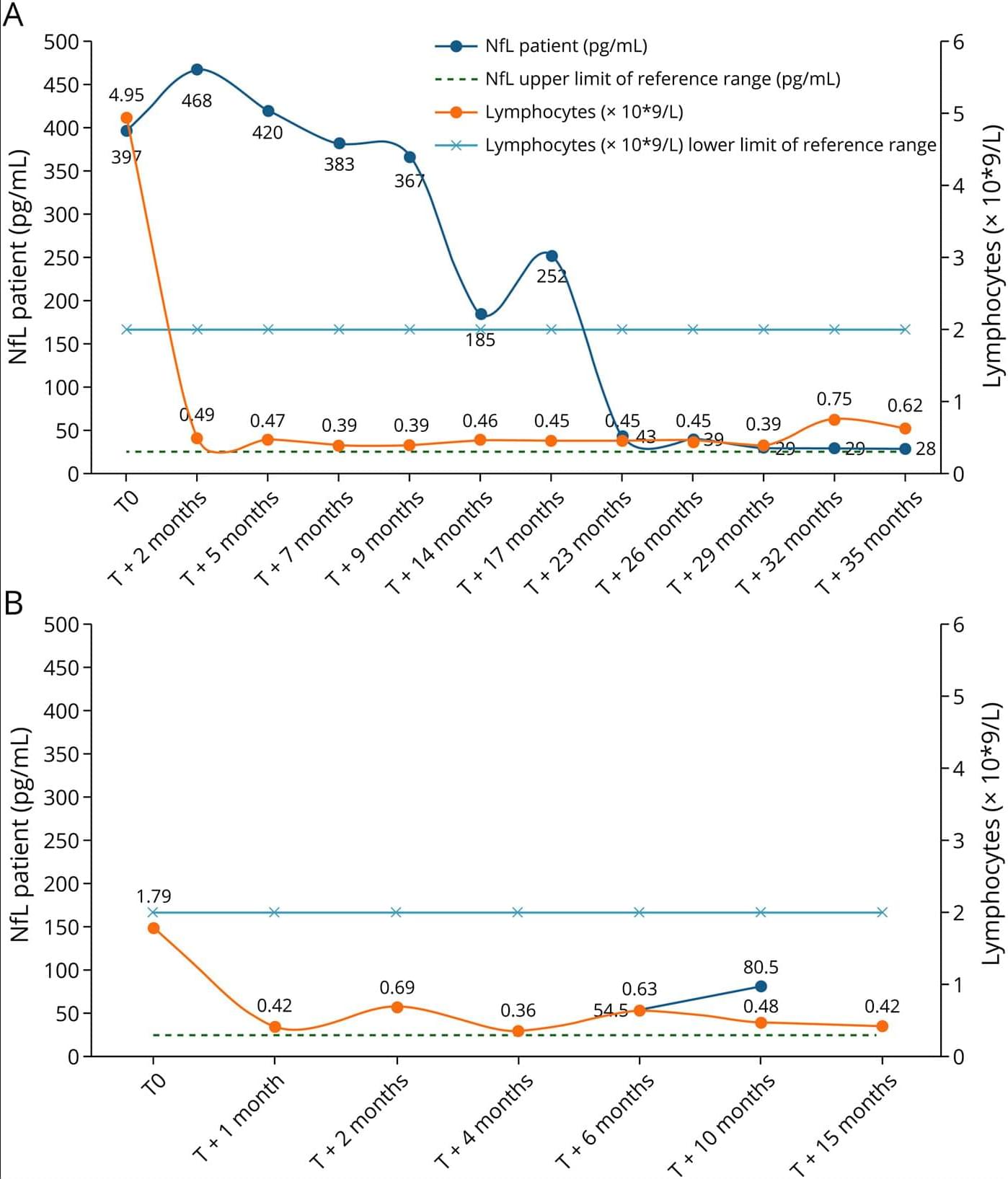
Pilot Study of Fingolimod Treatment in Neuronal Ceroid Lipofuscinosis Type 1

The findings in this study demonstrate that reduced neurofilament light chain levels suggest decreased neuroaxonal damage associated with immune modulation, supporting its potential role in targeting inflammatory processes in CLN1 without fully halting disease progression.


Background and Objectives.

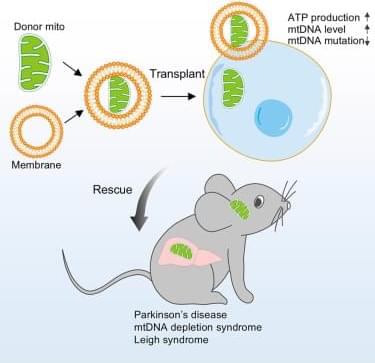
Transplantation of encapsulated mitochondria alleviates dysfunction in mitochondrial and Parkinson’s disease models

Now online! A mitochondrial transplantation approach rescues mitochondrial deficiency and prevents mitochondrial DNA depletion syndrome, Leigh syndrome, and Parkinson’s disease in cellular and mouse models.

Impact of Age at Onset on Relapse and Disability in AQP4-IgG Neuromyelitis Optica Spectrum Disorder

In this multicenter cohort of over 500 patients with AQP4-IgG NMOSD, age at disease onset did not influence annualized relapse rate or time to first relapse. However, older age at onset correlated with greater long-term disability.


Background and Objectives.

Smart wound dressing delivers antibiotics on-demand, accelerating healing and reducing resistance

Biomedical engineers from Brown University have developed a new wound dressing material that releases antibiotic drugs only when harmful bacteria are present in a wound. In the new study, published in the journal Science Advances, the researchers show that the material could help rapidly clear wound infections to accelerate healing while reducing the unnecessary use of antibiotics—a major driver of antibiotic resistance and hard-to-treat “superbug” infections that claim tens of thousands of lives worldwide each year.

The new material is a smart hydrogel loaded with an antibiotic cargo that can be placed directly on a wound under a bandage. The hydrogel is sensitive to an enzyme produced by many different types of harmful bacteria.

When the enzyme is present, the hydrogel starts to degrade, releasing the antibiotics trapped inside. But when no harmful bacteria are present, the hydrogel stays intact, safely locking its antibiotic cargo away.

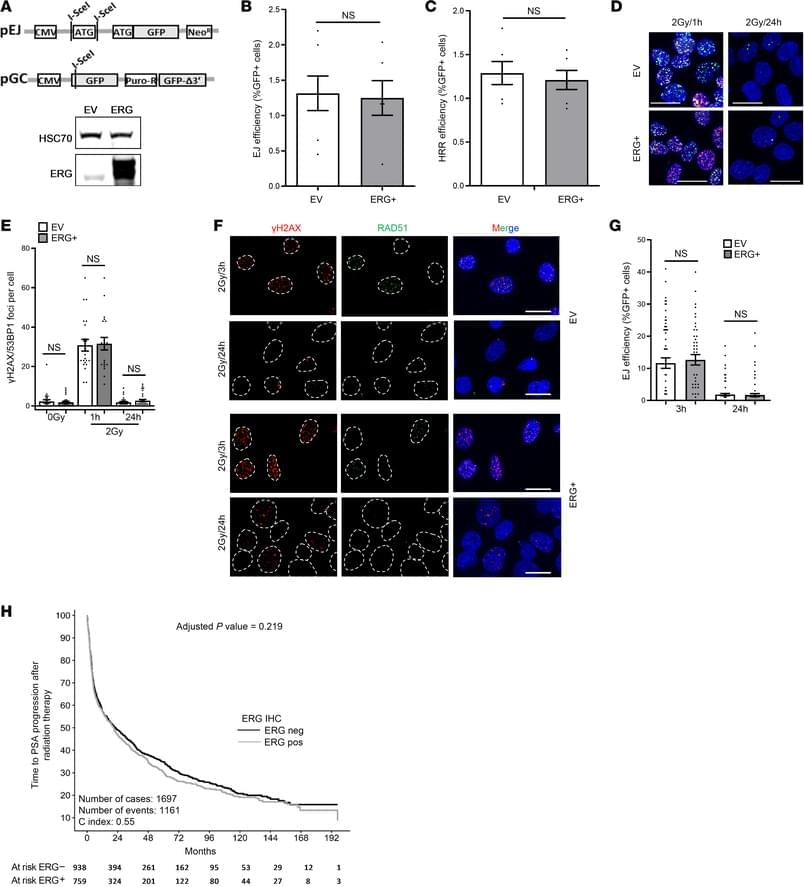
Abstract: Facilitating precision therapy in Prostate Cancer…

Facilitating precision therapy in Prostate Cancer…

https://doi.org/10.1172/JCI194949 Wael Y. Mansour & team discover ERG overexpression as a biomarker for identifying patients with prostate cancer who can benefit from PARPi-based radiosensitization, enhancing radiotherapy efficacy and reducing toxicity. The image: Samples of an ERG-positive PCa tumor following irradiation and PARP inhibition reveal a bystander effect; p53-binding protein 1 foci (red) in ERG-positive (green) and ERG-negative cells; nuclei (blue).


1Department of Radiotherapy and Radiooncology and.

2Mildred Scheel Cancer Career Center HaTriCS4, University Medical Center Hamburg-Eppendorf, Hamburg, Germany.

3Pharmacology and Experimental Oncology Unit, Cancer Biology Department, National Cancer Institute, Cairo University, Cairo, Egypt.

The Moment a New Cancer Treatment Met Its First Patient

In the early stages of the HMBD-001 clinical trial, Ingram and his team focused primarily on the drug’s safety and tolerability, as well as building a dataset that could support clear decisions about where the medicine could help patients most. In early clinical evaluations, HMBD-001 has shown encouraging signals, and the trials have expanded beyond London to multiple international sites.

In January, Ingram and team announced that the first patient had been dosed with HMBD-501. The first clinical trial for HMBD-501 is currently recruiting cancer patients in the United States and Australia. Soon, more patients will begin receiving HMBD-501 as it enters clinical testing.

The expansion of HMBD-501 clinical trials is a chance to learn more about one of biology’s biggest problems and how to solve it. But it wouldn’t have been possible if the Hummingbird Bioscience team hadn’t asked the important questions in their lab in Singapore.

PARG inhibition halts cholangiocarcinoma progression via the Hippo pathway and enhances response to chemotherapy and immunotherapy

PARG inhibition potentiates the efficacy of chemotherapy and PD-1 blockade in murine cholangiocellular carcinoma models.

PARG (poly(ADP-ribose) glycohydrolase) plays a key role in cancer cells by regulating poly(ADP-ribose) turnover and DNA damage responses, thereby supporting genomic stability, transcriptional programs, and survival pathways that enable tumour growth and treatment resistance. Yu, Xie, Yu, Zhao, Xu, Yang, Wei and coworkers evaluated the role of PARG in the development, progression and resistance to therapy in cholangiocarcinoma. In a cohort of 275 patients with cholangiocellular carcinoma (CCA), they observed that the levels of PARG are hyperactivated in the tumour tissue, and higher levels of PARG are associated with worse prognosis. Pharmacological or genetic inhibition of PARG in murine CCA models suppresses tumour growth by activating the Hippo pathway, leading to YAP/TAZ inactivation and reduced proliferative and stemness programs in cholangiocarcinoma cells. Notably, PARG inhibition synergizes with standard chemotherapy and enhances responsiveness to immunotherapy in mice, suggesting a role in modulating tumour cell–intrinsic survival pathways and the tumour immune microenvironment. Key open questions include the safety and specificity of sustained PARG inhibition in chronic liver disease and whether Hippo pathway activation and immune sensitization observed in models will translate into durable clinical benefit in heterogeneous human tumours.

Full text here: https://www.journal-of-hepatology.eu/article/S0168-8278(…0/fulltext.

EASL — the home of hepatology.


Cholangiocarcinoma (CCA) is a lethal malignancy with limited therapeutic options. We investigated the oncogenic role of poly(ADP-ribose) glycohydrolase (PARG) and evaluated potential therapeutic strategies.
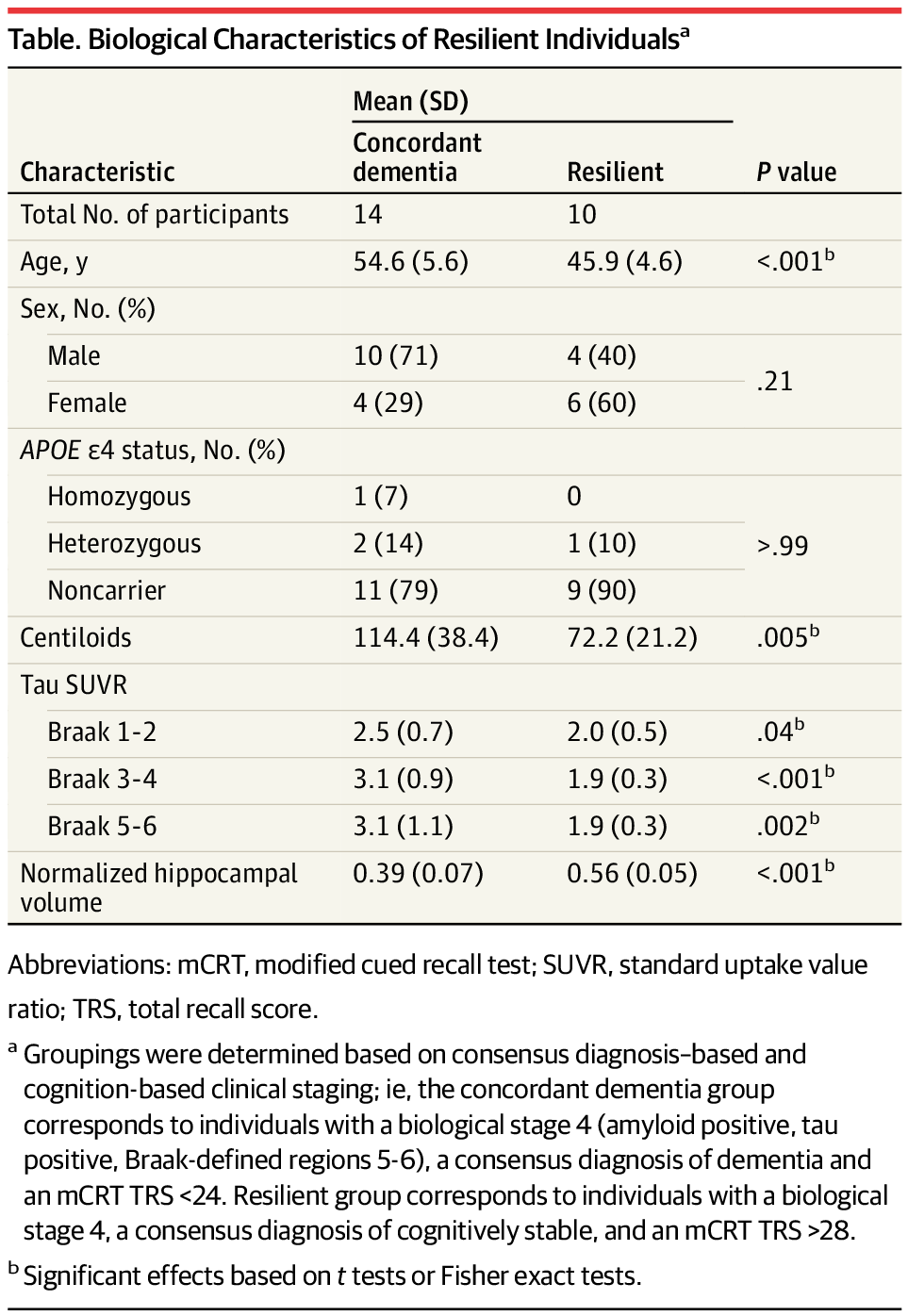
Biological and Clinical Staging of Alzheimer Disease Pathology in Down Syndrome

Among adults with DownSyndrome, clinical and biological staging of AlzheimerDisease showed greater concordance compared to sporadic cases, supporting the use of cognition-based staging for clinical trial enrollment. Most discordant cases exhibited more advanced pathology than clinical stage, highlighting resilience mechanisms in this population.


This cross-sectional study examines data for participants in the Alzheimer Biomarker Consortium–Down Syndrome study to gauge the concordance of clinical and biological Alzheimer disease staging.

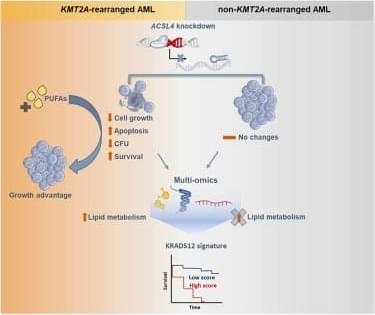
ACSL4-associated lipid metabolism is a distinct therapeutic vulnerability in KMT2A-rearranged acute myeloid leukemia

Schäfer et al. identify ACSL4 as a selective vulnerability in KMT2A-rearranged AML. ACSL4 knockdown impairs leukemic growth in vitro and in vivo by reprogramming lipid metabolism, which can be rescued by polyunsaturated fatty acids (PUFAs). A KRADS12 signature derived from ACSL4-dependent cells is associated with poor patient survival.

Single-cell analysis identifies RETN+ monocyte-derived Resistin as a therapeutic target in hepatitis B virus-related acute-on-chronic liver failure

GUTImage from the paper by Xu et al entitled.

via.

HepatitisB HBV


Background Acute-on-chronic liver failure (ACLF) is characterised by intense systemic inflammation and high short-term mortality, yet effective targeted therapies are lacking.

Objective To explore monocyte heterogeneity in HBV-related ACLF (HBV-ACLF) to identify specific subsets and associated therapeutic targets.

Design Peripheral blood mononuclear cells from healthy controls (n=4), patients with acute decompensation (n=5), and patients with ACLF (n=9) underwent single-cell RNA sequencing (scRNA-seq). Findings were integrated with hepatic scRNA-seq, bulk transcriptomics, multiplex immunohistochemistry and in vitro functional assays. The in vivo roles of candidate targets were validated in two murine ACLF models.

/* */