Toggle light / dark theme

Molecular ‘catapult’ fires electrons at the limits of physics

Electrons can be “kicked across” solar materials at almost the fastest speed nature allows, scientists have discovered, challenging long-held theories about how solar energy systems work. The finding could help researchers design more efficient ways of harvesting sunlight and converting it into electricity. The research is published in Nature Communications.

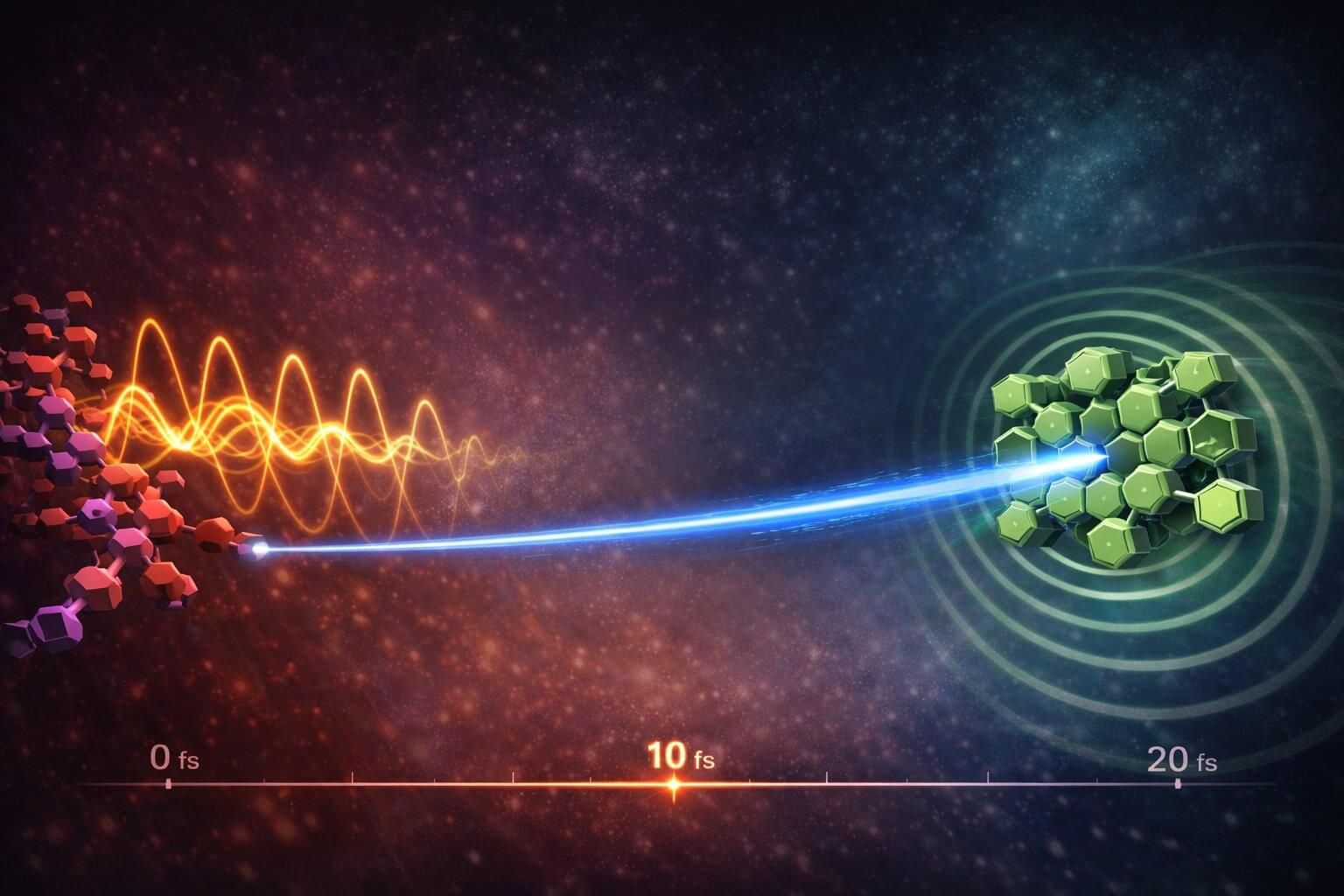
In experiments capturing events lasting just 18 femtoseconds —less than 20 quadrillionths of a second—researchers at the University of Cambridge observed charge separation happening within a single molecular vibration.

“We deliberately designed a system that—according to conventional theory—should not have transferred charge this fast,” said Dr. Pratyush Ghosh, Research Fellow, at St John’s College, Cambridge, and first author of the study. “By conventional design rules, this system should have been slow, and that’s what makes the result so striking.

From water splitting to H₂O₂: A new method narrows carbon nitride photocatalyst design

Photocatalysis promises an efficient conversion of abundant solar energy into usable chemical energy. Polyheptazine imides have some key structural and functional twists that make them especially interesting for photocatalysis. So far, there is only limited knowledge about how structural changes affect the electronic and optical properties of the many material candidates in this class. A team led by researchers from the Center for Advanced Systems Understanding (CASUS) at HZDR has now presented a reliable and reproducible theoretical method to solve this challenge that was confirmed by measurements done on genuine candidate materials.

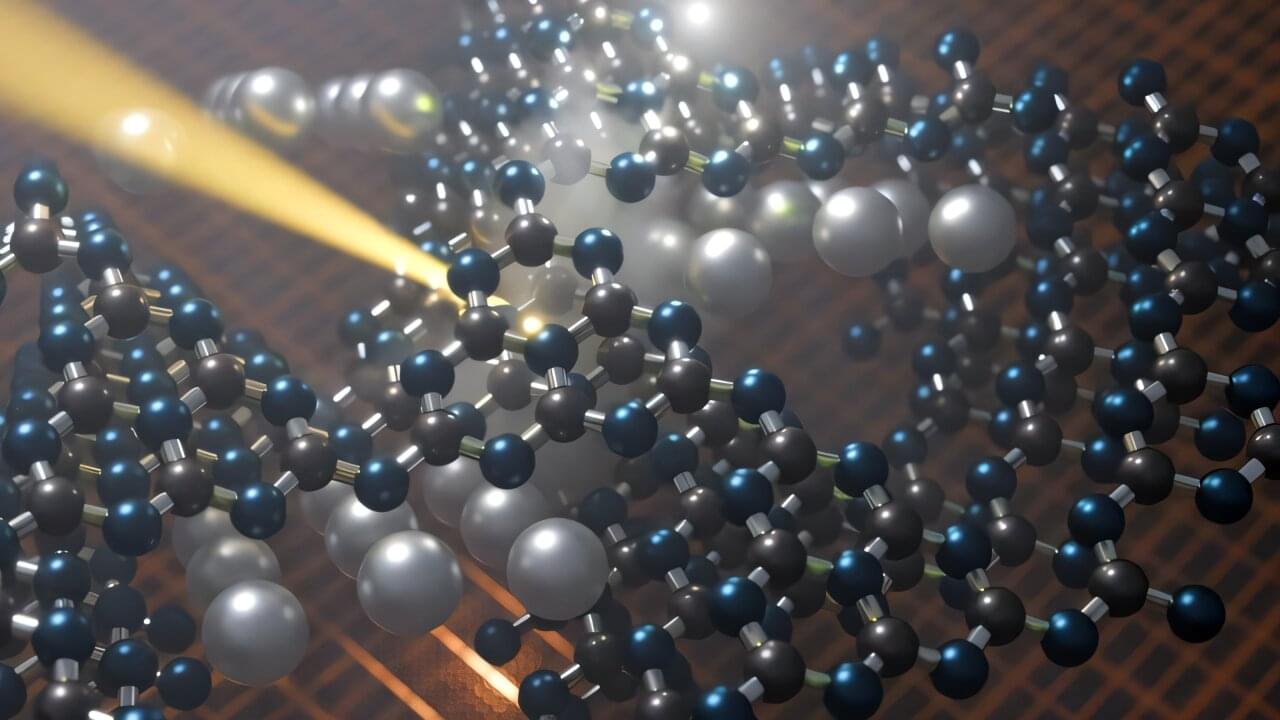
Polyheptazine imides belong to the family of carbon nitrides, which are layered, graphene-like compounds composed of nitrogen-rich, ring-shaped units. Unlike graphene, which exhibits excellent electrical conductivity but lacks photocatalytic activity, polyheptazine imides possess band gaps suitable for visible-light absorption.

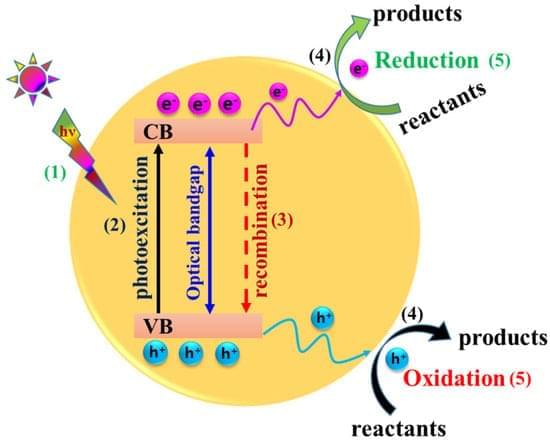
Carbon nitride-based materials impress due to their low production cost, nontoxicity and thermal stability. However, the first generation of such materials were not ideal photocatalysts as the materials possessed properties that hindered charge separation. If a material has a low charge separation, the electron excited by an incoming photon quickly recombines with the hole it was propelled from—and releases energy only as heat or light. No energy is available to drive chemical reactions.

‘Solar battery’ stores sunlight for days, then releases hydrogen on demand

A new material can store energy from sunlight and convert it into hydrogen days later. The material, jointly developed by researchers from Ulm and Jena, can do this even in the dark. The process is reversible and can be reactivated several times using a pH switch. The results are published in the journal Nature Communications.

Green hydrogen is one of the most important pillars of the energy transition. It is produced from sunlight using photocatalytic processes. There are now a variety of technologies for converting and storing solar energy into chemical energy. But now, for the first time, a material that can store the energy from sunlight for several days and then release it in the form of hydrogen “at the push of a button” has been successfully developed.

“You can think of it as a combination of a solar cell and a battery at the molecular level,” explains Professor Sven Rau, who heads the Institute of Inorganic Chemistry I at Ulm University.

A new, useful absorption limit for ultra-thin films

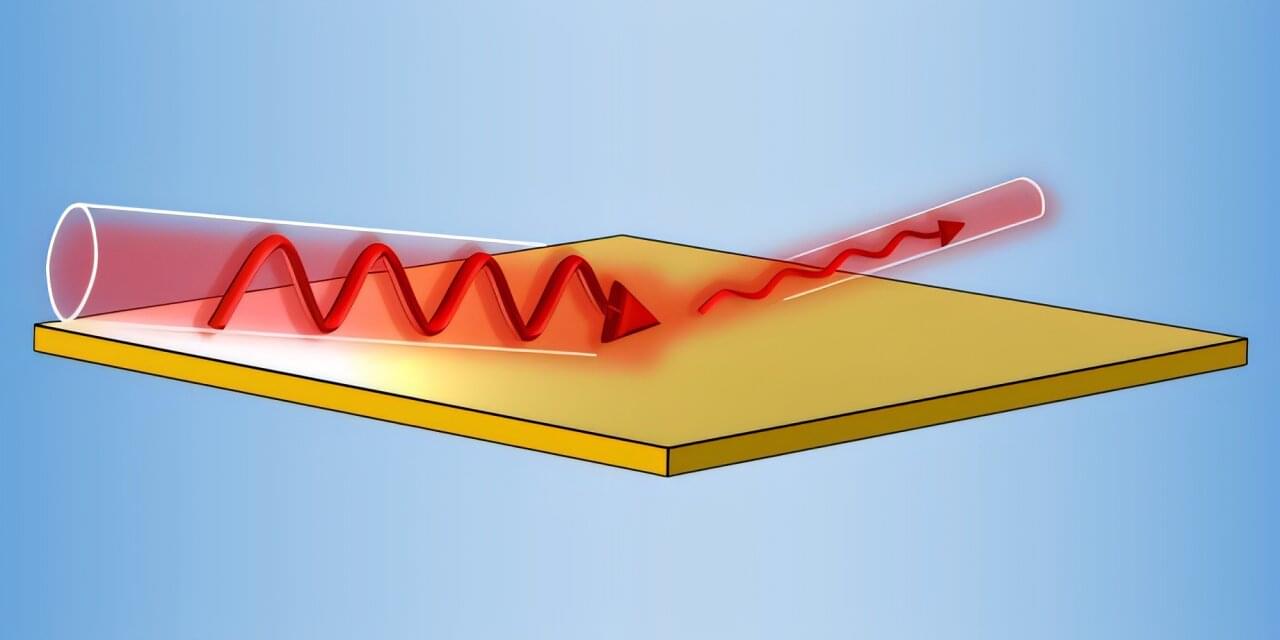
The applications of ultrathin, conductive films such as those made of graphene have many applications, but it’s been thought their efficacy is limited to absorbing only half of the incidental light at best. A research group in China has now shown that absorption can be as high as 82.8% at light grazing angles nearly parallel to the film. This could not only significantly improve design efficiencies but sheds light on light-matter interactions at sizes much lower than the light’s wavelength. Their work has been published in Physical Review Letters.

Graphene ultrathin films, as thin as one carbon atom (about 0.34 nanometers, 300,000 times thinner than a sheet of paper) have many applications: flexible and transparent electronics, energy storage and batteries, solar cells and photovoltaics, sensors and high-speed electronics and more, where they absorb light.

While such films allow for miniaturizing devices and reducing their weight, their extreme thinness has led to the characterization that they are limited to absorbing only half of the incoming light.

How Flawed Crystals Are Powering the Future of Solar Energy

Defect-filled lead-halide perovskites rival silicon solar cells because domain walls inside the material separate and guide charges. Researchers visualized these charge-transport networks using a novel silver-staining technique, resolving a long-standing efficiency mystery. Perovskites made from

Core–Shell Engineering of One-Dimensional Cadmium Sulfide for Solar Energy Conversion

Fabricating efficient photocatalysts that can be used in solar-to-fuel conversion and to enhance the photochemical reaction rate is essential to the current energy crisis and climate changes due to the excessive usage of nonrenewable fossil fuels.

This special solar cell system produces both electricity and heat

Researchers have developed a solar cell system that uses mirrors to concentrate solar energy. In addition to electricity, it produces heat for a plant that will capture carbon from industrial emissions. The solar cells in the large pilot plant are a full 5 meters high and consist of many mirrors that are angled toward the solar cells to concentrate sunlight. They make it possible to collect the sun’s rays into concentrated solar energy, as well as heat that supports a plant designed to capture CO2.

“The system has been tested and validated. It is quite innovative and unique and stands out by storing heat in addition to the electrical current,” says SINTEF research scientist Alfredo Sanchez Garcia.

The energy from the plant will be used to capture carbon from industrial emissions.

New additive helps solar cells retain 93% power-conversion efficiency

A study conducted by Penn State University researchers has revealed that organic solar cells could be strengthened by adding a chemical additive, making them suitable for large-scale deployment and manufacturing. The study was reported on the official university website on February 16.

Assistant Professor Nutifafa Doumon and doctoral candidate Souk Yoon “John” Kim, both from the Department of Materials Science and Engineering, led this experiment.

/* */