Toggle light / dark theme

Andrew Yang: UBI Before UHI

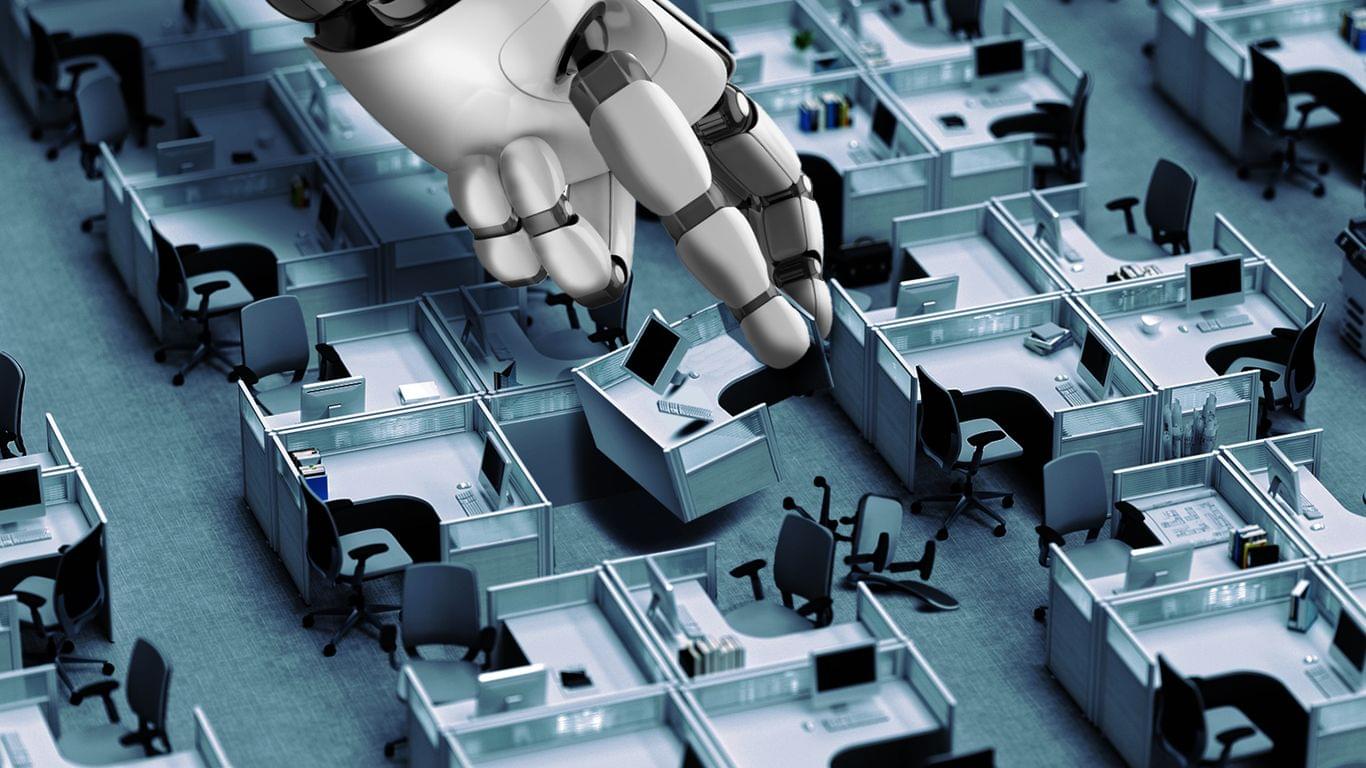
Solving Job Loss, and the Future of Work ## Andrew Yang advocates for the implementation of Universal Basic Income (UBI) as a necessary solution to address job loss, income inequality, and societal unrest caused by technological advancements and AI-driven changes in the economy ## ## Questions to inspire discussion.

Universal Basic Income Implementation.

đŸ”č Q: What UBI amount should be set to provide an effective safety net?

A: UBI should be set at twice the poverty level, around $25,000 per person per year, providing enough for survival but not happiness to maintain work incentives while protecting against economic collapse.

đŸ”č Q: How can UBI be funded without government action initially?

A: Well-resourced tech billionaires could fund UBI directly to local communities to keep the middle class afloat during AI-driven changes, potentially catalyzing further philanthropy and government action.
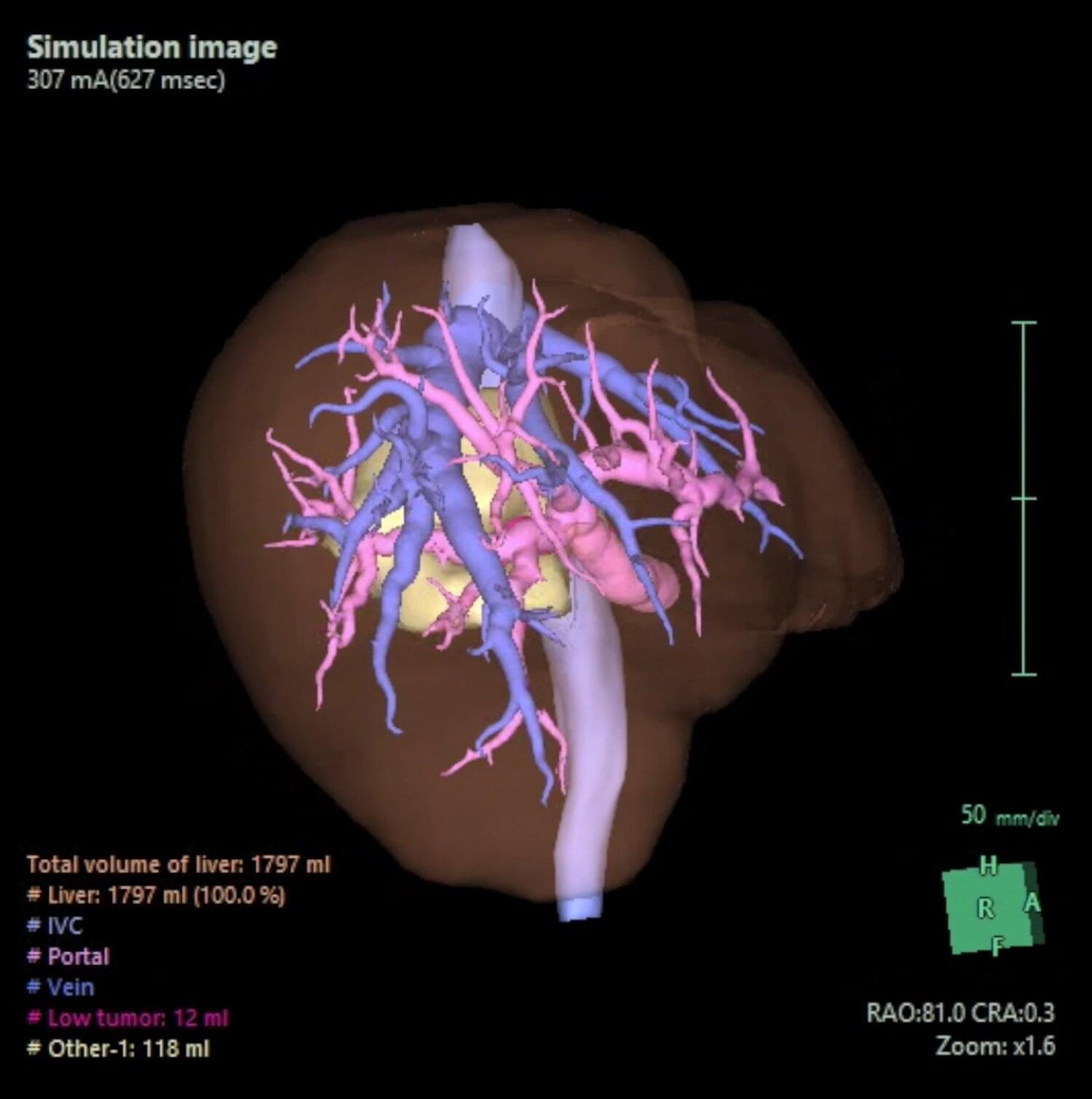
Robotic surgery removes hard-to-reach caudate lobe tumor in a 79-year-old

Resection of tumors in the caudate lobe (a deep, hard-to-reach part of the liver) is recognized as one of the most technically challenging procedures in hepatic surgery due to its unique anatomical position and complex vascular relationships. Researchers at Boston University Chobanian & Avedisian School of Medicine now show that it is possible to remove the caudate lobe safely using a surgical robot, even in an older patient, and still remove the cancer completely.

The clinical case they describe in the journal Annals of Surgical Oncology, combines two “guidance” tools: a hanging/traction technique using the Arantius ligament and Indocyanine green (ICG) “negative staining” to clearly mark the caudate lobe boundaries and guide a margin-focused cancer operation in a very difficult area.

“The caudate lobe is one of the most technically demanding areas of the liver—it’s deep and surrounded by critical vessels,” said corresponding author Eduardo Vega, MD, assistant professor of surgery. “Robotic surgery can help us remove select tumors through smaller incisions, with less pain and blood loss and quicker recovery, while still aiming for cure.”

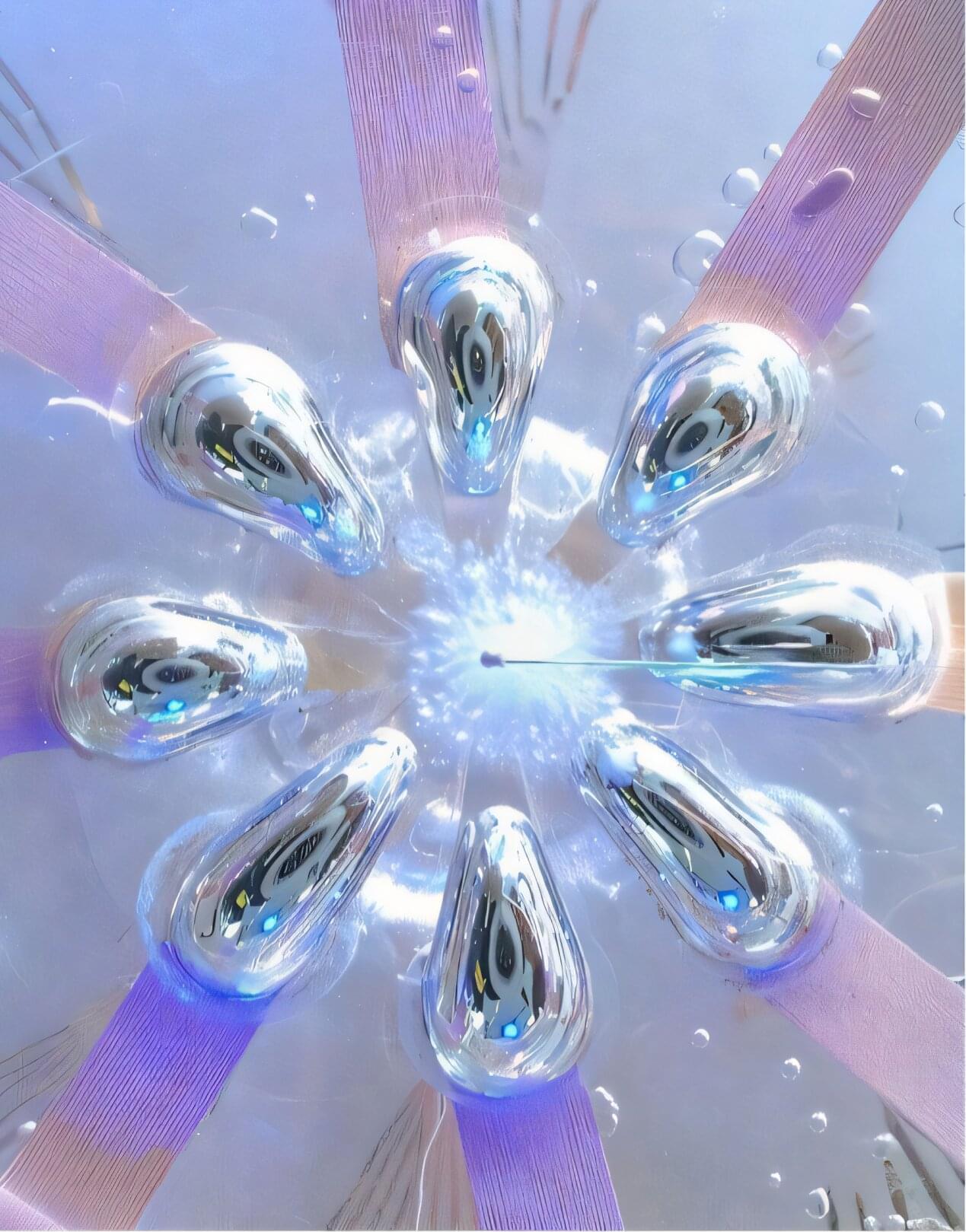
Liquid-metal pupil helps an artificial eye adapt to sudden light changes

Computer vision technologies are artificial intelligence (AI)-powered systems that can capture, analyze, and interpret visual data captured from real-world environments. While these systems are now widely used, many of them perform poorly under some lighting conditions and when the light in captured scenes changes abruptly.

Researchers at University of North Carolina at Chapel Hill, Westlake University and other institutes have developed a new artificial eye that draws inspiration from the eyes of humans, cats and other animals. This artificial eye, introduced in a paper published in Science Robotics, could be used to advance the sensing capabilities of robots, advanced security systems and autonomous vehicles.

“Our project grew from a simple problem: traditional machine vision systems (like the cameras deployed in self-driving cars or robots) struggle with extreme light changes, such as changes from pitch black to bright sunlight,” Dr. Kun Liang, first author of the paper, told Tech Xplore.

Transparent Tribe Uses AI to Mass-Produce Malware Implants in Campaign Targeting India

The Pakistan-aligned threat actor known as Transparent Tribe has become the latest hacking group to embrace artificial intelligence (AI)-powered coding tools to strike targets with various implants.

The activity is designed to produce a “high-volume, mediocre mass of implants” that are developed using lesser-known programming languages like Nim, Zig, and Crystal and rely on trusted services like Slack, Discord, Supabase, and Google Sheets to fly under the radar, according to new findings from Bitdefender.

“Rather than a breakthrough in technical sophistication, we are seeing a transition toward AI-assisted malware industrialization that allows the actor to flood target environments with disposable, polyglot binaries,” security researchers Radu Tudorica, Adrian Schipor, Victor Vrabie, Marius Baciu, and Martin Zugec said in a technical breakdown of the campaign.

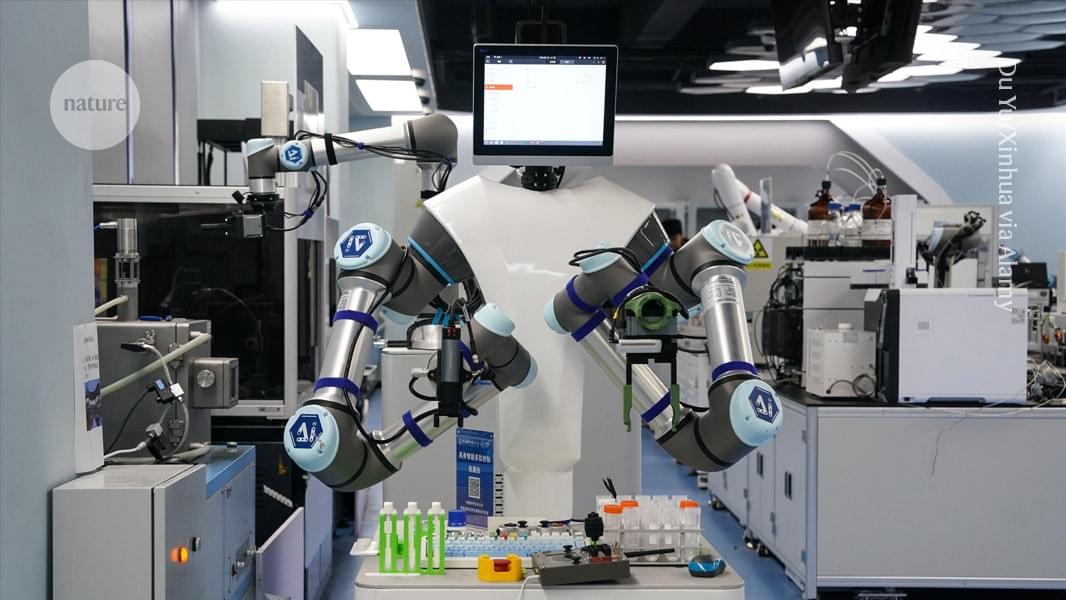
Will self-driving ‘robot labs’ replace biologists? Paper sparks debate

I’d certainly like to see more experiments automated, yet I wonder if widespread automation would result in less resources directed to novel experimental designs (or new tools) that fall outside of automated workflows. Hopefully a balance can be attained!


AI-driven autonomous robots are coming to biology laboratories, but researchers insist that human skills remain essential.

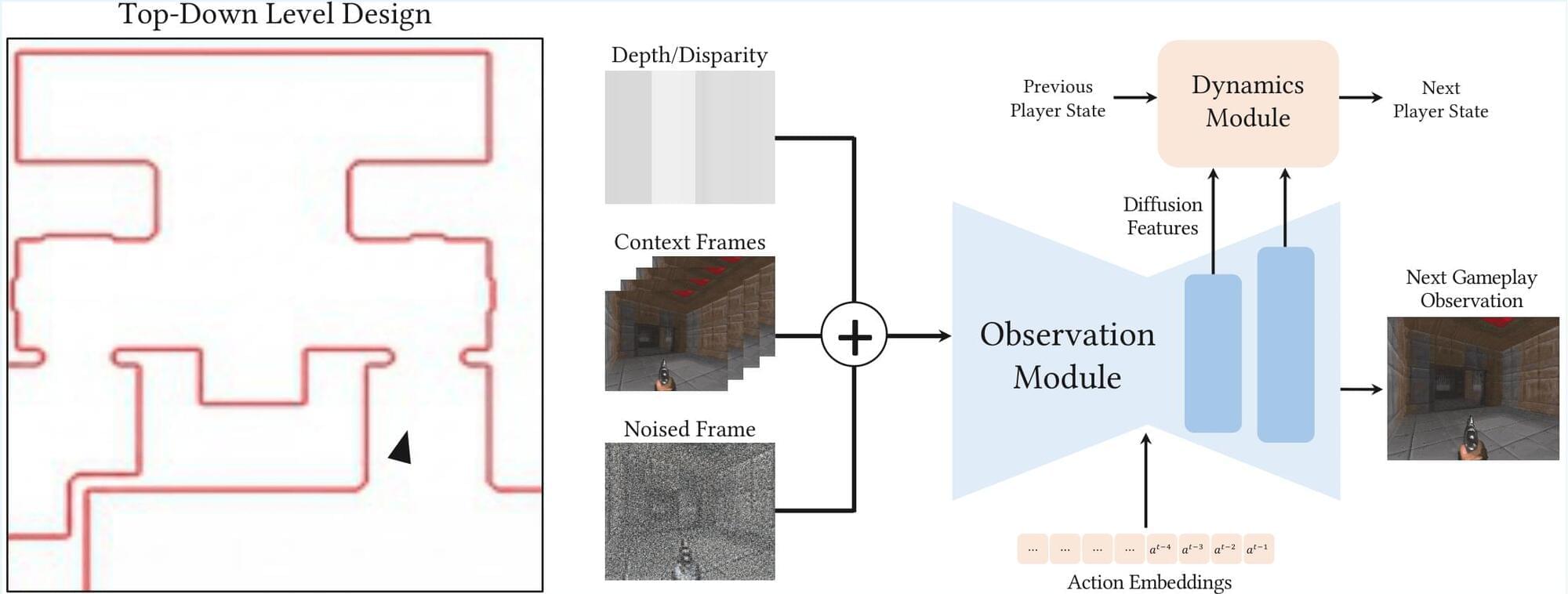
MultiGen: Level-Design for Editable Multiplayer Worlds in Diffusion Game Engines

Think of a video game that doesn’t just run on code, but is “dreamed up” in real-time by an AI—much like how AI generates videos or images today. While this technology (known as a Diffusion Game Engine) is incredibly exciting, it has long faced two major hurdles: you couldn’t easily “edit” the world once it was generated, and you couldn’t play in that world with friends because the AI couldn’t keep the environment consistent for everyone at once.

Traditional AI game engines work like “next-frame predictors.” They look at what’s happening right now and guess what the very next split-second should look like. Because they have a short memory (a “context window”), the world often feels like a shifting dream—turn around, and the door you just walked through might have disappeared or changed color. This makes it impossible to design a specific “level” or play with others, as the AI can’t keep a steady map in its head.

Why organisms are more than machines

We are living in the age of maximum AI hype: A superintelligence that surpasses humanity is going to emerge at any moment, according to the most breathless corners of the tech world.

There are basic technical grounds to be skeptical of that claim, but beyond that, a much deeper issue lies at the boundary between science and philosophy: What makes life different from non-life? Why is a rock inert and insensate, while even the simplest cell manifests open-ended activity in the relentless pursuit of staying alive? Since the only systems that indisputably display intelligence are alive, if we can’t understand life, we’re probably missing something essential about intelligence.

Sixty years ago, an influential but little-known philosopher named Hans Jonas gave a potent, creative, and radical answer to this question of what makes life different from non-life. In the decades since, the power and reach of his perspective have gained traction. Today, for a growing group of researchers — in fields ranging from neuroscience to the physics of complex systems — Jonas has become an incisive voice arguing forcefully that organisms are more than just machines, and minds are more than just computers.

Persistent Sex Disparities in Pre‐Hospital Delay Among Patients With STEMI Despite Overall Improvements: Findings From the Chinese Cardiovascular Association Chest Pain Center Registry

Despite overall improvements, women with STEMI in China still face longer pre-hospital delays than men, especially in rural areas. The gap is driven mostly by delayed EMS calls. Cardiology.

HealthEquity STEMI


This website uses a security service to protect against malicious bots. This page is displayed while the website verifies you are not a bot.

Microsoft becomes first company to say it is not ‘abandoning’ Anthropic; company says: Our lawyers have studied that 


The TOI Tech Desk is a dedicated team of journalists committed to delivering the latest and most relevant news from the world of technology to readers of The Times of India. TOI Tech Desk’s news coverage spans a wide spectrum across gadget launches, gadget reviews, trends, in-depth analysis, exclusive reports and breaking stories that impact technology and the digital universe. Be it how-tos or the latest happenings in AI, cybersecurity, personal gadgets, platforms like WhatsApp, Instagram, Facebook and more; TOI Tech Desk brings the news with accuracy and authenticity.

/* */