Toggle light / dark theme

Bioinspired robot eye adjusts its pupil to handle harsh lighting

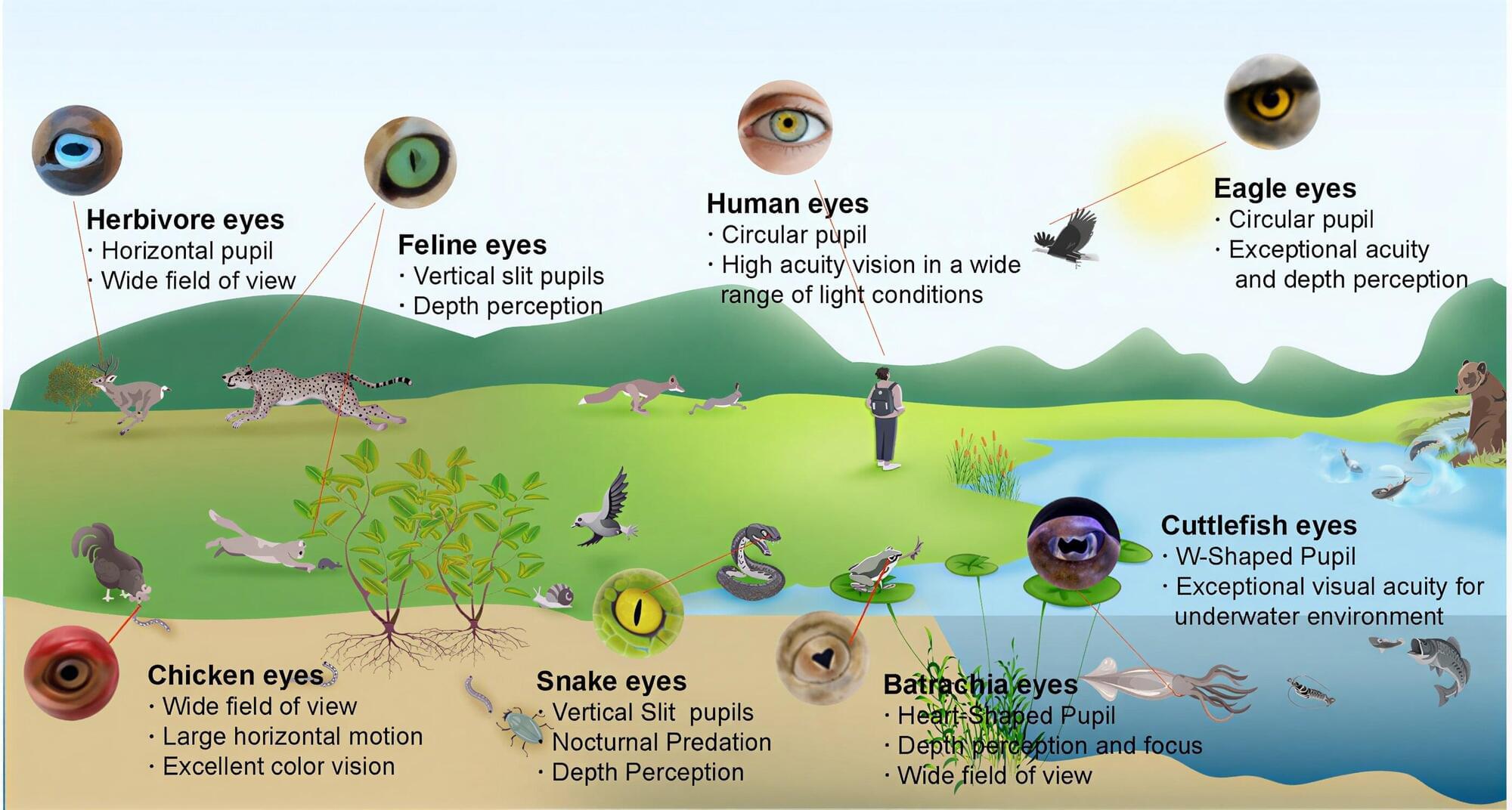
Robot vision could soon get a boost thanks to the development of a bioinspired eye that can automatically adjust its pupil size in response to changing light levels. Robots, self-driving cars and drones often struggle with dynamic lighting. If a car enters a dark tunnel, its camera aperture needs to stay wide open to capture enough light to see, just like our pupils do when the lights go out. But when it exits into daylight, it can be instantly blinded by the glare.

In a study published in the journal Science Robotics, researchers detail how they have created a bioinspired vision system that not only mimics the way eyes see but also adapts to light conditions. The technology is designed to bridge the gap between how a standard camera sees and how living creatures view their surroundings.

Cameras may excel at capturing high-resolution images, but in dynamic environments, they lack the flexibility to adapt.
Overtime with Bill Maher: Jonathan Haidt, Stephanie Ruhle, H.R. McMaster (HBO)

Artificial intelligence is rapidly advancing to the point where it may be able to write its own code, potentially leading to significant job displacement, societal problems, and concerns about unregulated use in areas like warfare.

## Questions to inspire discussion.

Career Adaptation.

🎯 Q: How should workers prepare for AI’s impact on employment? A: 20% of jobs including coders, medical, consulting, finance, and accounting roles will be affected in the next 5 years, requiring workers to actively learn and use large language models to enhance productivity or risk being left behind in the competitive landscape.

Economic Policy.

📊 Q: What systemic response is needed for AI-driven job displacement? A: Government planning is essential to manage massive economic transitions and job losses as AI’s exponential growth reaches a tipping point, extending beyond manufacturing into white-collar professions across multiple sectors.

The insect-inspired bionic eye that sees, smells and guides robots

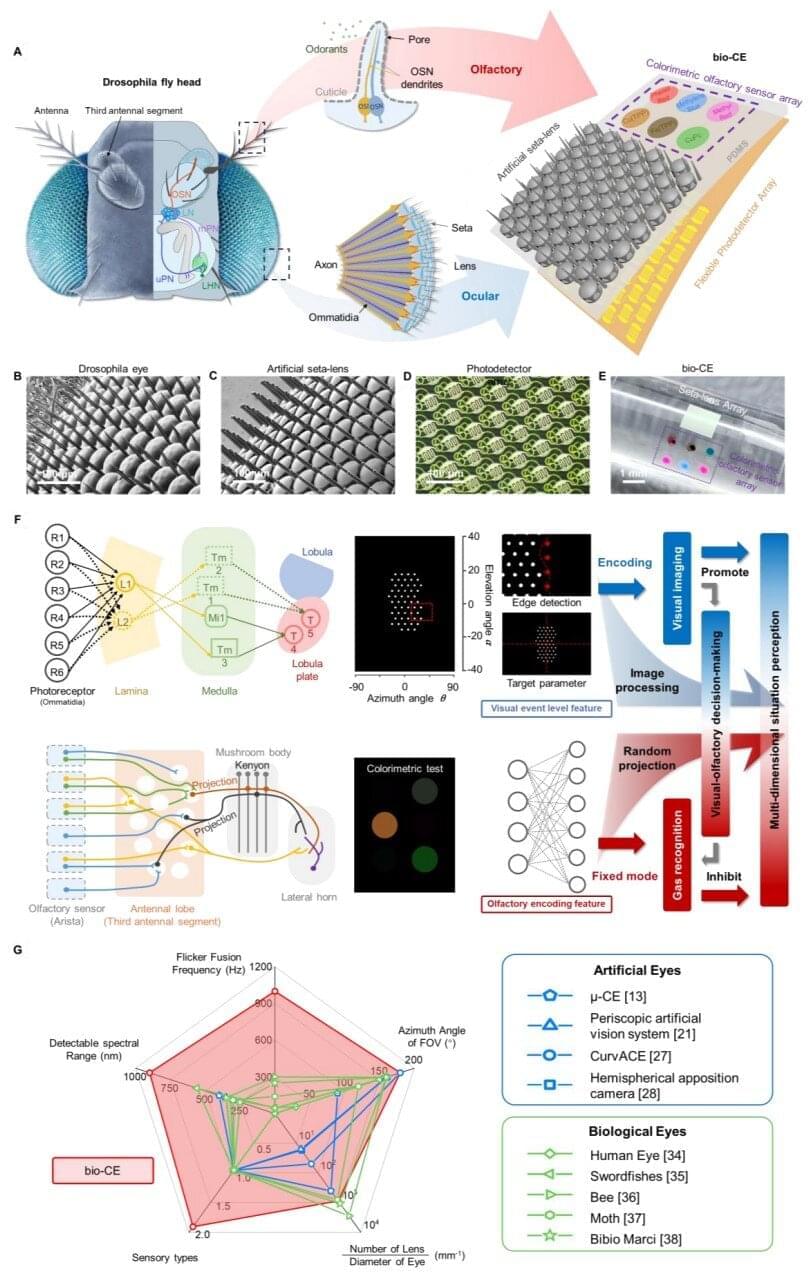
The compound eyes of the humble fruit fly are a marvel of nature. They are wide-angle and can process visual information several times faster than the human eye. Inspired by this biological masterpiece, researchers at the Chinese Academy of Sciences have developed an insect-scale compound eye that can both see and smell, potentially improving how drones and robots navigate complex environments and avoid obstacles.

Traditional cameras on robots and drones may excel at capturing high-definition photos, but struggle with a narrow field of view and limited peripheral vision. They also tend to be bulky and power-hungry.

Decoding the shadows: Vehicle recognition software uncovers unusual traffic behavior

Researchers at the Department of Energy’s Oak Ridge National Laboratory have developed a deep learning algorithm that analyzes drone, camera, and sensor data to reveal unusual vehicle patterns that may indicate illicit activity, including the movement of nuclear materials. The work is published in the journal Future Transportation.

The software monitors routine traffic over time to establish a baseline for “patterns of life,” enabling detection of deviations that could signal something out of place. For example, a surge in overnight truck traffic at a facility which is normally only visited during the day could reveal illegal shipments.

The research builds on a previous ORNL-developed technology for recognizing specific vehicles from side views. Researchers improved the structure of this software’s deep learning network to provide much broader capabilities than any existing recognition systems, said ORNL’s Sally Ghanem, lead researcher.

Researchers Show AI Robots Vulnerable to Text Attacks

“I expect vision-language models to play a major role in future embodied AI systems,” said Dr. Alvaro Cardenas.


How can misleading texts negatively affect AI behavior? This is what a recently submitted study hopes to address as a team of researchers from the University of California, Santa Cruz and Johns Hopkins University investigated the potential security risks of embodied AI, which is AI fixed in a physical body that uses observations to adapt to its environment, as opposed to using text and data, and include cars and robots. This study has the potential to help scientists, engineers, and the public better understand the risks for AI and the steps to take to mitigate them.

For the study, the researchers introduced CHAI (Command Hijacking against embodied AI), which is designed to combat outside threats to embodied AI systems, including misleading text and imagery. Instead, CHAI employs counterattacks that embodied Ais can use to disseminate right from wrong regarding text and images. The researchers tested CHAI on a variety of AI-based systems, including drone emergency landing, autonomous driving, aerial object tracking, and robotic vehicles. In the end, the researchers discovered that CHAI successfully identified incoming attacks while emphasizing the need for enhancing security measures for embodied AI.

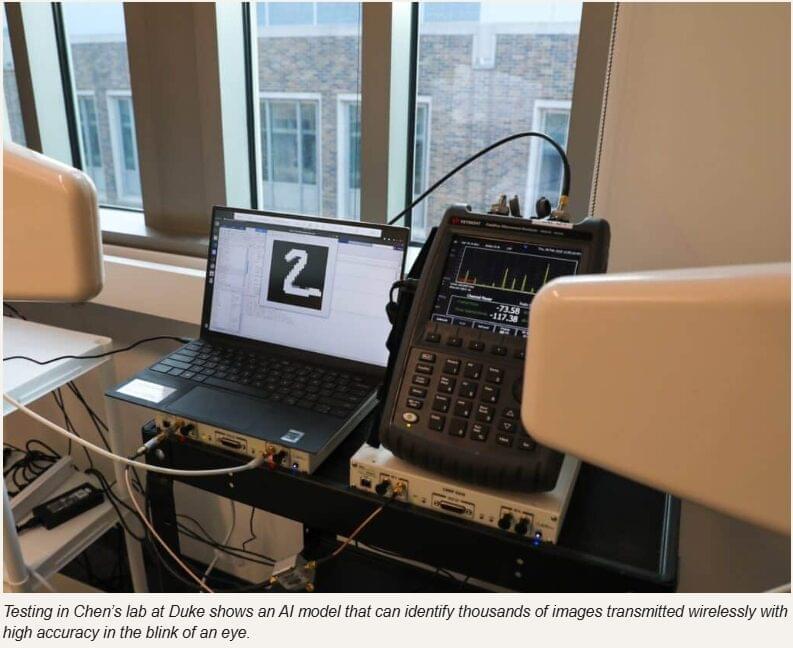
Radiowaves enable energy-efficient AI on edge devices without heavy hardware

As drones survey forests, robots navigate warehouses and sensors monitor city streets, more of the world’s decision-making is occurring autonomously on the edge—on the small devices that gather information at the ends of much larger networks.

But making that shift to edge computing is harder than it seems. Although artificial intelligence (AI) models continue to grow larger and smarter, the hardware inside these devices remains tiny.

Engineers typically have two options, neither are ideal. Storing an entire AI model on the device requires significant memory, data movement and computing power that drains batteries. Offloading the model to the cloud avoids those hardware constraints, but the back-and-forth introduces lag, burns energy and presents security risks.

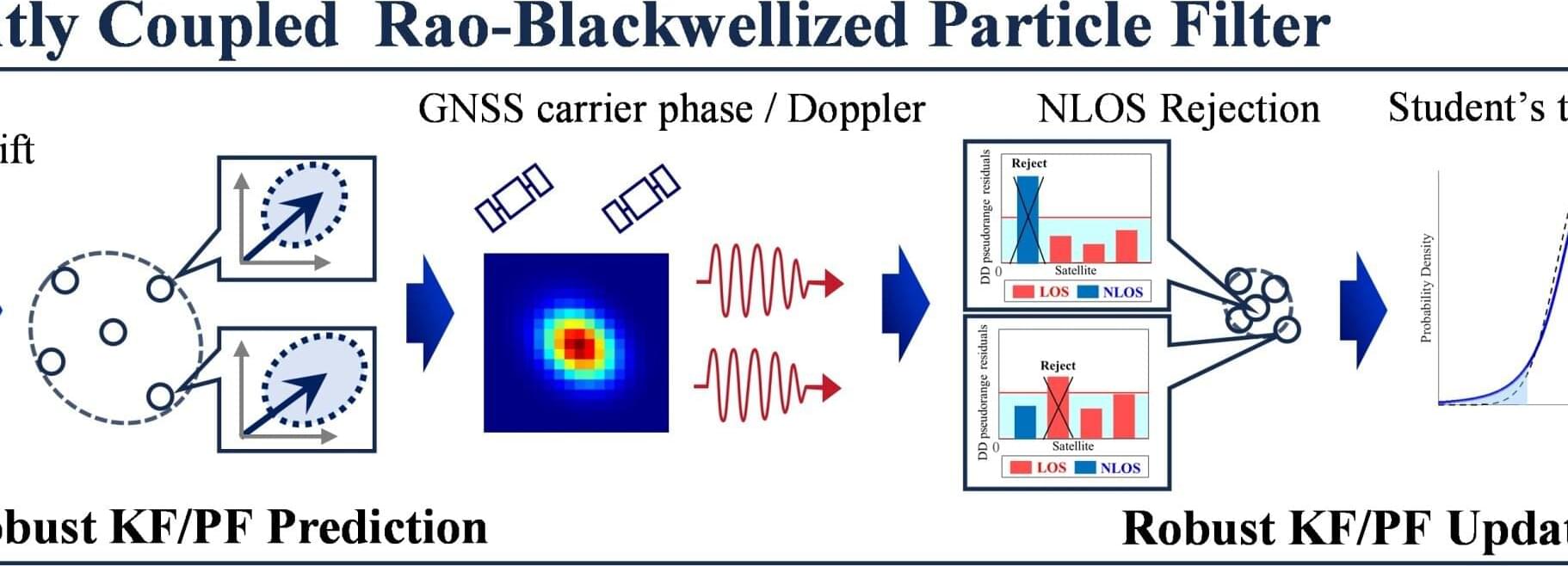
GNSS-only method delivers stable positioning for autonomous vehicles in urban areas

Global navigation satellite systems (GNSS) are vital for positioning autonomous vehicles, buses, drones, and outdoor robots. Yet its accuracy often degrades in dense urban areas due to signal blockage and reflections.

Now, researchers have developed a GNSS-only method that delivers stable, accurate positioning without relying on fragile carrier-phase ambiguity resolution. Tested across six challenging urban scenarios, the approach consistently outperformed existing methods, enabling safer and more reliable autonomous navigation.

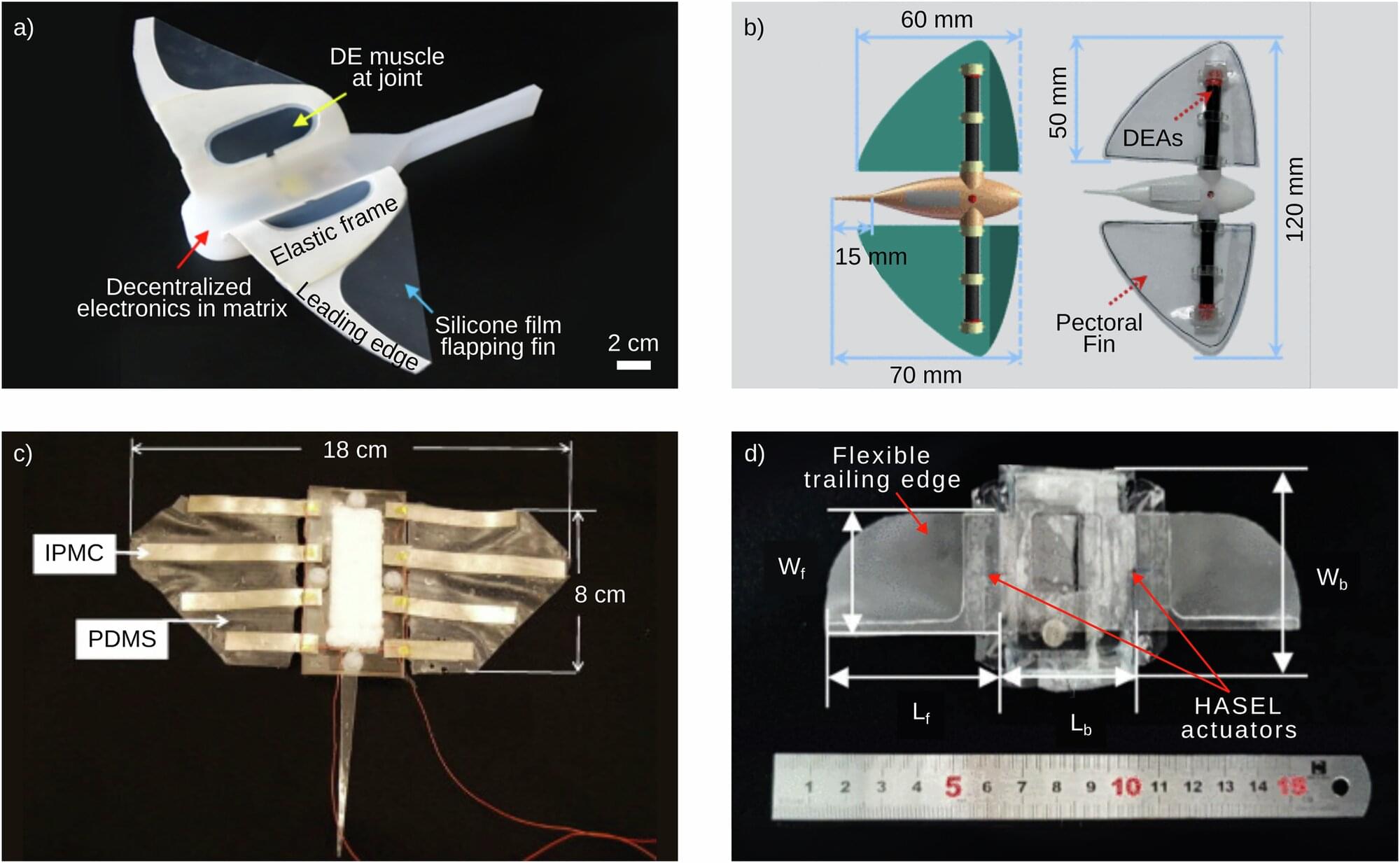
Underwater robots inspired by nature are making progress, but hurdles remain

Underwater robots face many challenges before they can truly master the deep, such as stability in choppy currents. A new paper published in the journal npj Robotics provides a comprehensive update of where the technology stands today, including significant progress inspired by the movement of rays.

Underwater robots are not a gimmick. We need them to help us explore the roughly 74% of the ocean floor that still remains a mystery. While satellites, buoys and imaging technology can map the surface and the upper reaches of the ocean, we need underwater drones to explore and gather data from the hidden depths.

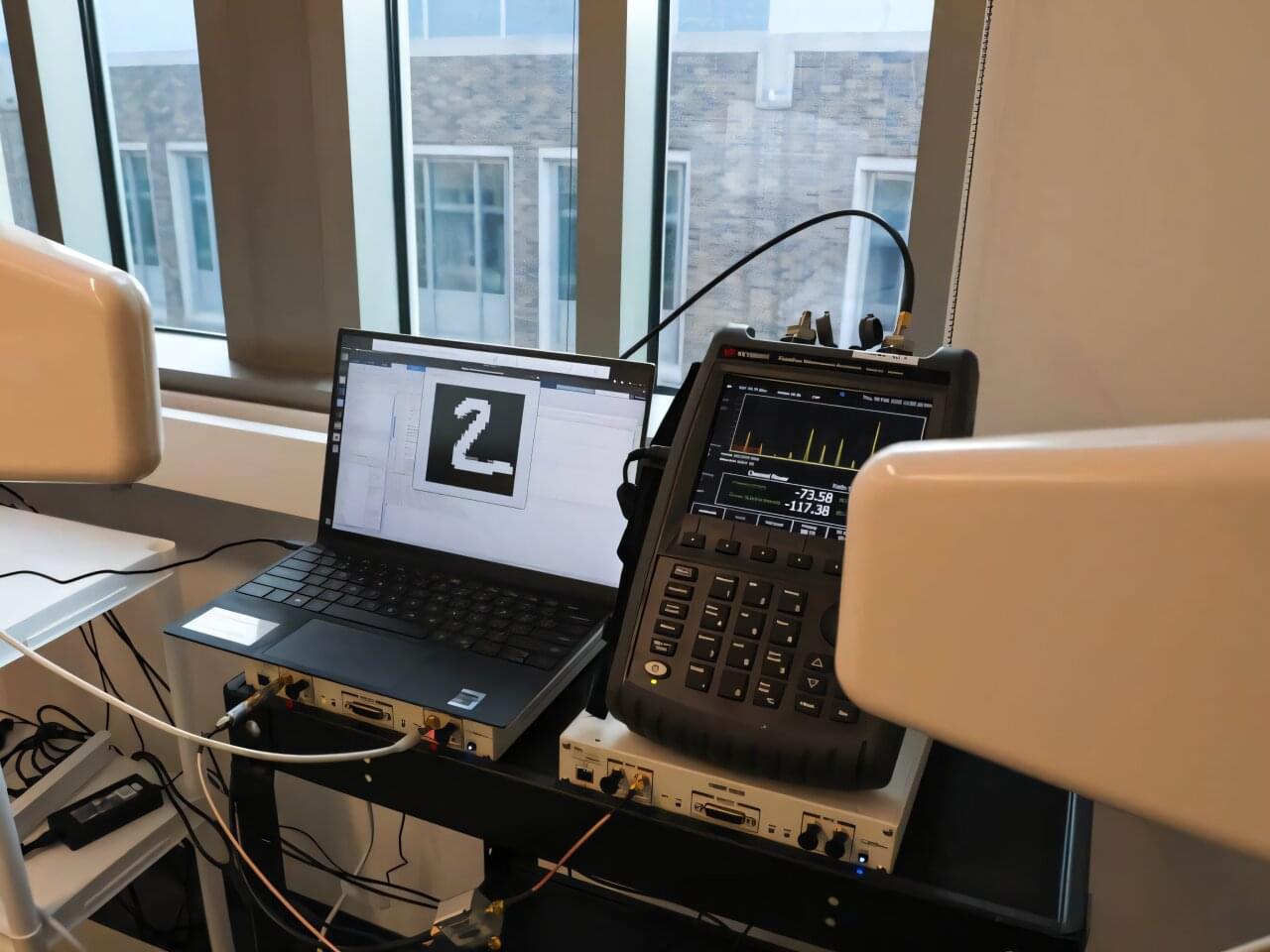
Radio waves enable energy-efficient AI on edge devices without heavy hardware

As drones survey forests, robots navigate warehouses and sensors monitor city streets, more of the world’s decision-making is occurring autonomously on the edge—on the small devices that gather information at the ends of much larger networks.

But making that shift to edge computing is harder than it seems. Although artificial intelligence (AI) models continue to grow larger and smarter, the hardware inside these devices remains tiny.

Engineers typically have two options, neither are ideal. Storing an entire AI model on the device requires significant memory, data movement and computing power that drains batteries. Offloading the model to the cloud avoids those hardware constraints, but the back-and-forth introduces lag, burns energy and presents security risks.

/* */