Toggle light / dark theme

Abstract: Follow your nose!

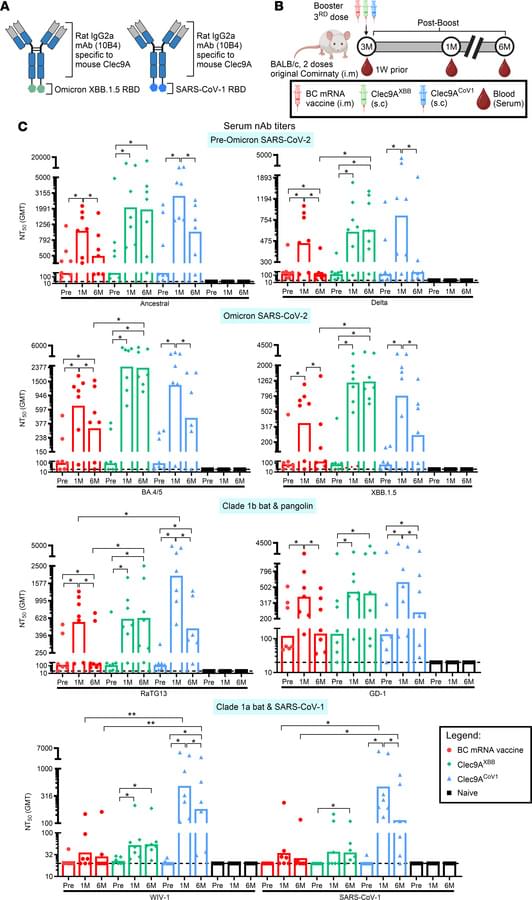
https://doi.org/10.1172/JCI195784 Sylvie Alonso & team develop a nasal vaccine booster that induces robust and sustained, cross-clade systemic and mucosal protective immunity in COVID19 mRNA vaccinated populations.


1Infectious Diseases Translational Research Programme, Department of Microbiology and Immunology, Yong Loo Lin School of Medicine and.

2Immunology Programme, Life Sciences Institute, National University of Singapore, Singapore.

3Monash Biomedicine Discovery Institute, Department of Biochemistry and Molecular Biology, Monash University, Clayton, Victoria, Australia.

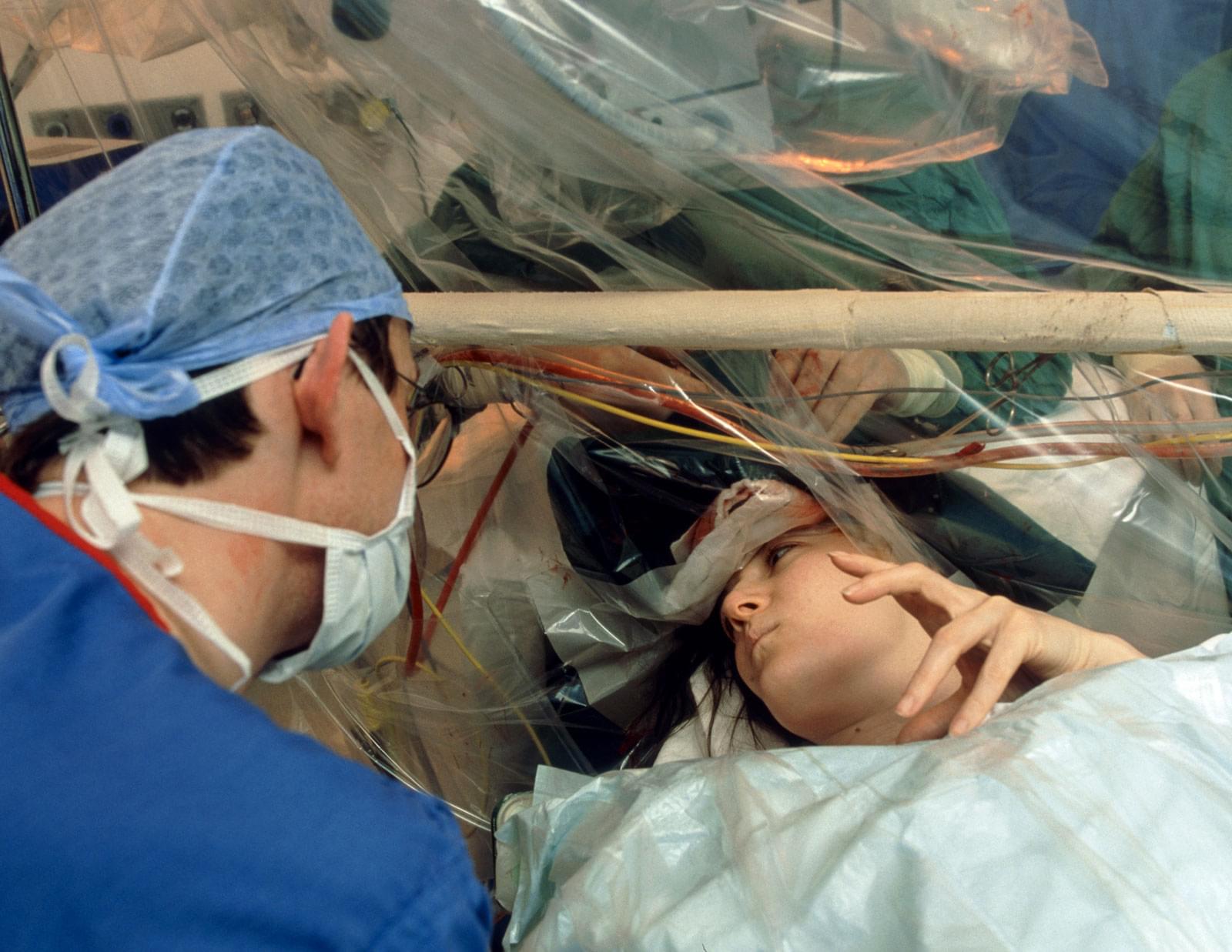
Brain surgeries are opening windows for neuroscientists, but ethical questions abound

Surgeries are increasingly opening patients’ brains to research. But the opportunities that come with this intimate access also raise complex ethical issues.

Learn more during BrainAwarenessWeek.


Invasive treatments give scientists an intimate view of neural activity, but ethicists worry about mixing research and medical care.

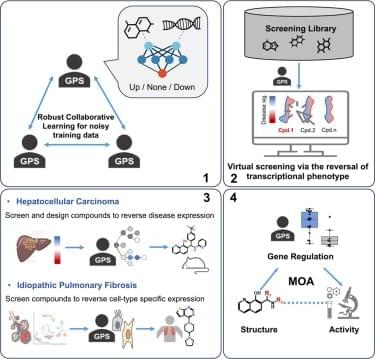
Deep-learning-based de novo discovery and design of therapeutics that reverse disease-associated transcriptional phenotypes

Bulk and single-cell transcriptomics are widely used to characterize diseases and cellular states but remain underexplored for de novo drug discovery. Here, we present a strategy to screen and optimize compounds by matching disease transcriptomic profiles with compound-induced transcriptomic features predicted from chemical structures using a deep-learning model.

Survival and Timing of Colorectal Cancer Liver Metastases

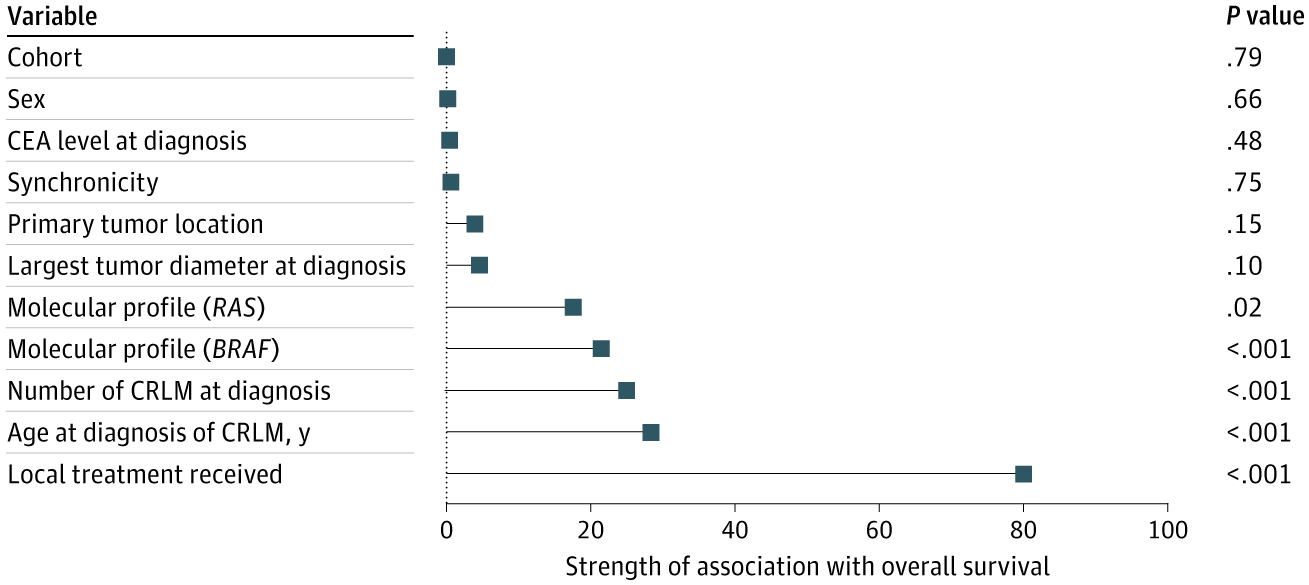
ColorectalCancer liver metastasis detection timing—synchronous vs early or late metachronous—was not independently associated with overall survival after adjustment, supporting treatment planning guided by tumor burden and treatment feasibility.


Question Is the timing of colorectal cancer liver metastasis (CRLM) detection, defined as synchronous, early metachronous, or late metachronous, associated with overall survival?

Findings In this cohort study of 1,250 patients, synchronous CRLM initially appeared to be associated with worse survival; however, timing of detection was not an independent factor after adjusting for tumor number, size, variant status, carcinoembryonic antigen levels, and treatment strategy. The ability to undergo local treatment had the greatest association with improved survival.

Meaning These findings suggest synchronicity is not independently associated with a survival benefit and may instead be indicative of underlying tumor biology, with synchronous metastases occurring earlier in the disease course.

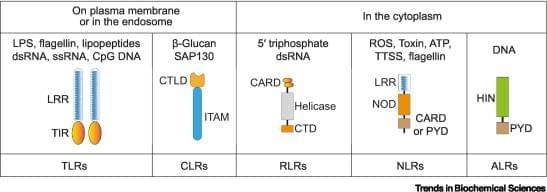
Regulation of inflammatory gene transcription by ubiquitination and deubiquitination

Inflammatory gene transcription regulation.

While we recognize that inflammatory responses are essential for immunity to microbial infections, it is evident from clinical proof that these responses must be properly controlled to prevent potential detrimental consequences.

Over the past decades, multiple immunosuppressive mechanisms have been identified at distinct levels, including mechanisms that target immune receptor complexes and regulate signal transduction.

However, the molecular mechanisms by which inflammatory gene transcription is precisely finetuned remain poorly defined.

Here, the author highlight that a comprehensive understanding of how the ubiquitination–deubiquitination process directly controls the transcription of inflammatory genes may reveal novel avenues for therapeutic intervention.

Finally, the review provides insight into the importance of understanding the spatiotemporal regulation of inflammatory gene transcription at the gene specific level. sciencenewshighlights ScienceMission https://sciencemission.com/inflammatory-gene-transcription


Exercise triggers memory-related brain ‘ripples’ in humans

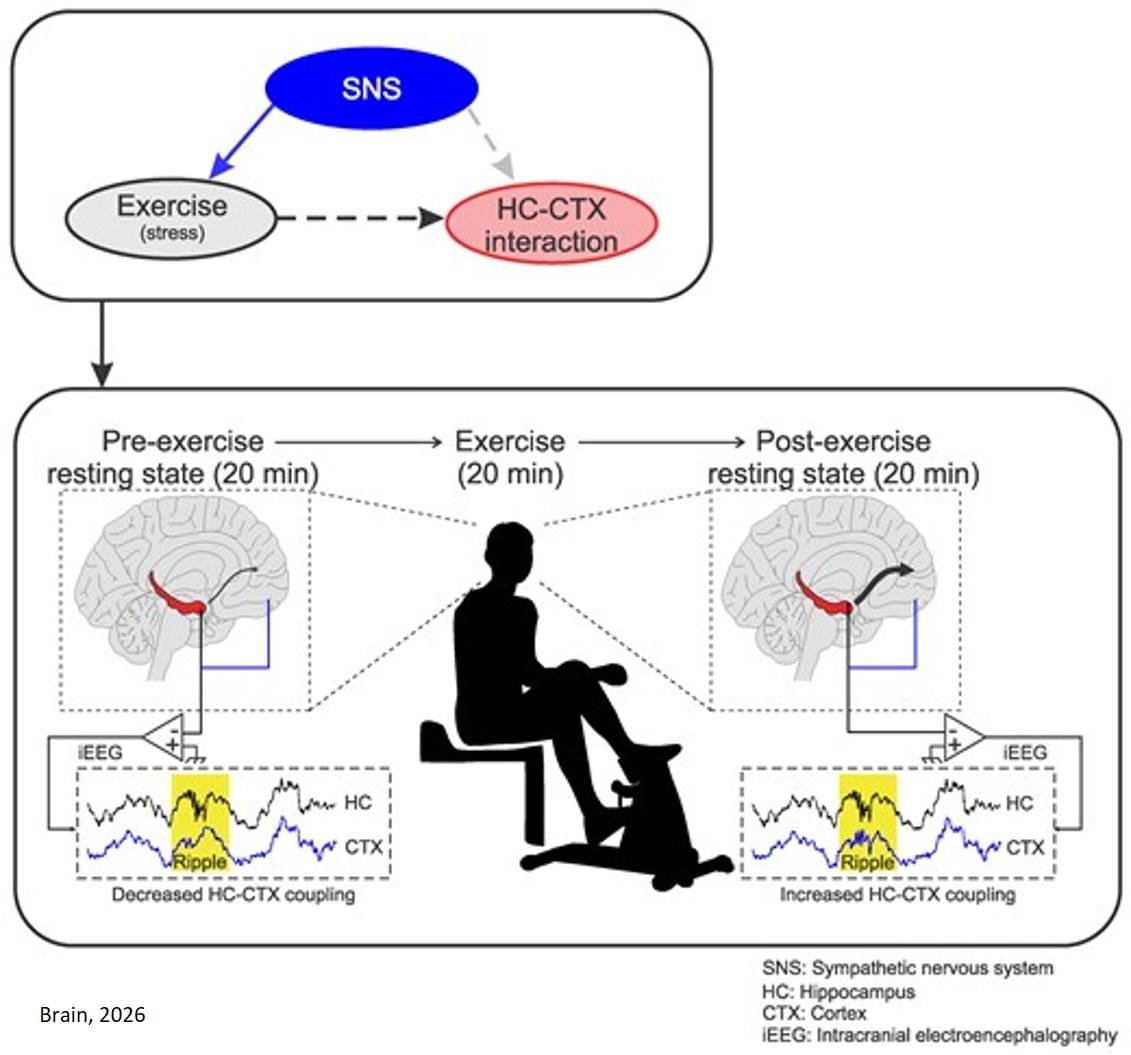
The team recruited 14 patients between 17 and 50 years of age, to participate. After a brief warmup, participants rode a stationary bike for 20 minutes at a pace they could maintain for the duration. Researchers recorded the participants’ brain activity before and after the cycling session using intracranial electroencephalography (iEEG), which utilizes implanted electrodes to measure neural activity in the brain. The recordings showed an increased rate of ripples originating in the hippocampus and connecting with cortical regions of the brain known to be involved in learning and memory performance.

“We’ve known for years that physical exercise is often good for cognitive functions like memory, and this benefit is associated with changes in brain health, largely from behavioral studies and noninvasive brain imaging,” says the study’s corresponding author. “By directly recording brain activity, our study shows, for the first time in humans, that even a single bout of exercise can rapidly alter the neural rhythms and brain networks involved in memory and cognitive function.”

The author says the results apply beyond the epileptic patients who participated. ScienceMission sciencenewshighlights.


A single session of physical exercise can spawn a boost of neural activity in brain networks that underlie learning and memory, according to a new study.

The researchers measured neural activity in the brains of patients with epilepsy before and after they completed a bout of physical exercise. The results showed that a single exercise session produced in the participants a burst of high-frequency brain waves, called ripples, emanating from the hippocampus to areas of the brain involved in learning and recall.

Neuroscientists have documented ripples relevant to memory in mice and rats, but they had not confirmed the link in humans, mainly because electrodes need to be implanted in the brain to obtain recordings. Instead, researchers had theorized the ripples’ role in humans, based on studies in people that measured changes in oxygenated blood in the brain after exercise. This new study marks the first time researchers have been able to see the neurons in action in people following exercise, the authors report.
Why You Should Question Genetic Risk Scores

Whole genome sequencing is powerful but still very new. Many companies offer genetic predictions for diseases without clearly explaining how those models are built or validated. Most people don’t ask basic questions like: How accurate is this? What data was used? What are the limitations? In this video, we break down why transparency matters and why you should always question genetic risk scores before trusting them. Youtube Video: https://www.youtube.com/LongevityScienceNews/membership Patreon: https://www.patreon.com/posts/polygenic-scores-152170836?utm…=join_link https://www.herasight.com/

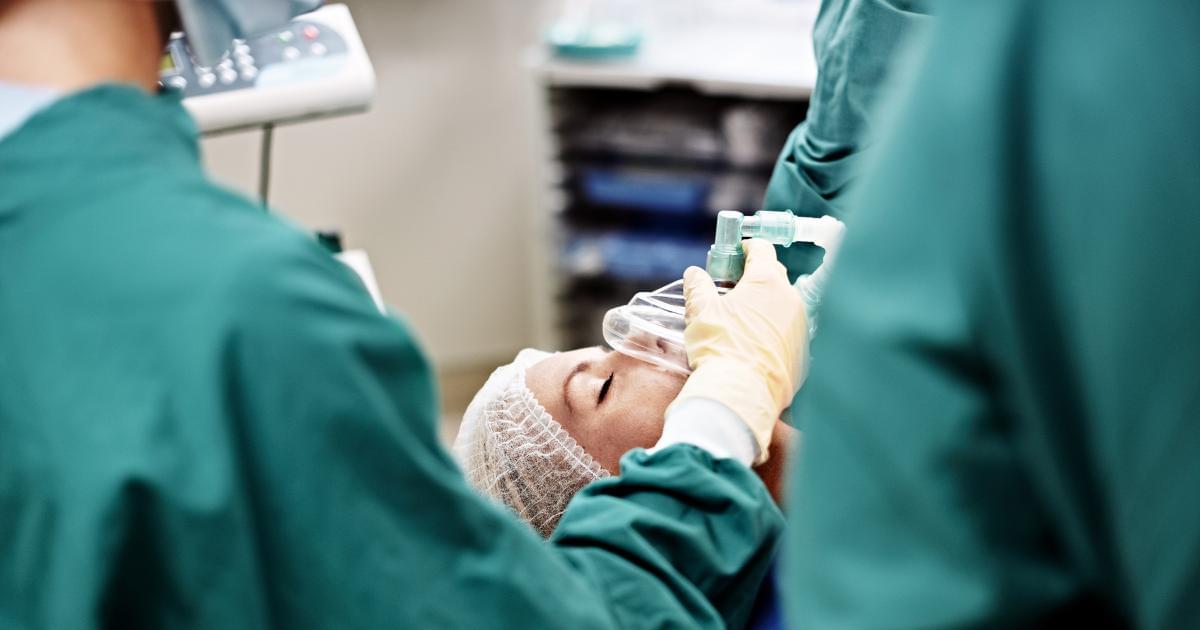
Three anesthesia drugs all have the same effect in the brain, MIT researchers find

When patients undergo general anesthesia, doctors can choose among several drugs. Although each of these drugs acts on neurons in different ways, they all lead to the same result: a disruption of the brain’s balance between stability and excitability, according to a new MIT study.

This disruption causes neural activity to become increasingly unstable, until the brain loses consciousness, the researchers found. The discovery of this common mechanism could make it easier to develop new technologies for monitoring patients while they are undergoing anesthesia.

“What’s exciting about that is the possibility of a universal anesthesia-delivery system that can measure this one signal and tell how unconscious you are, regardless of which drugs they’re using in the operating room,” says Earl Miller, the Picower Professor of Neuroscience and a member of MIT’s Picower Institute for Learning and Memory.

Miller, Edward Hood Taplin Professor of Medical Engineering and Computational Neuroscience Emery Brown, and their colleagues are now working on an automated control system for delivery of anesthesia drugs, which would measure the brain’s stability using EEG and then automatically adjust the drug dose. This could help doctors ensure that patients stay unconscious throughout surgery without becoming too deeply unconscious, which can have negative side effects following the procedure.

Miller and Ila Fiete, a professor of brain and cognitive sciences, the director of the K. Lisa Yang Integrative Computational Neuroscience Center (ICoN), and a member of MIT’s McGovern Institute for Brain Research, are the senior authors of the new study, which appears today in Cell Reports. MIT graduate student Adam Eisen is the paper’s lead author.

Excellent work Earl Miller and team!

Read More

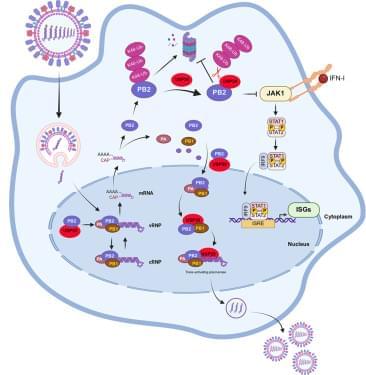
Dual roles of USP39 in stabilizing PB2 and orchestrating ribonucleoprotein assembly drive H5 influenza virus replication and pathogenicity

Yang et al. identify USP39 as a deubiquitinase hijacked by H5 AIV. USP39 catalytically deubiquitinates PB2 to prevent its degradation and maintain polymerase activity. Meanwhile, it promotes PB2-PB1 association for RNP assembly. The dual-function mechanism facilitates viral replication, enhances pathogenicity, and represents a promising anti-H5 therapeutic target.

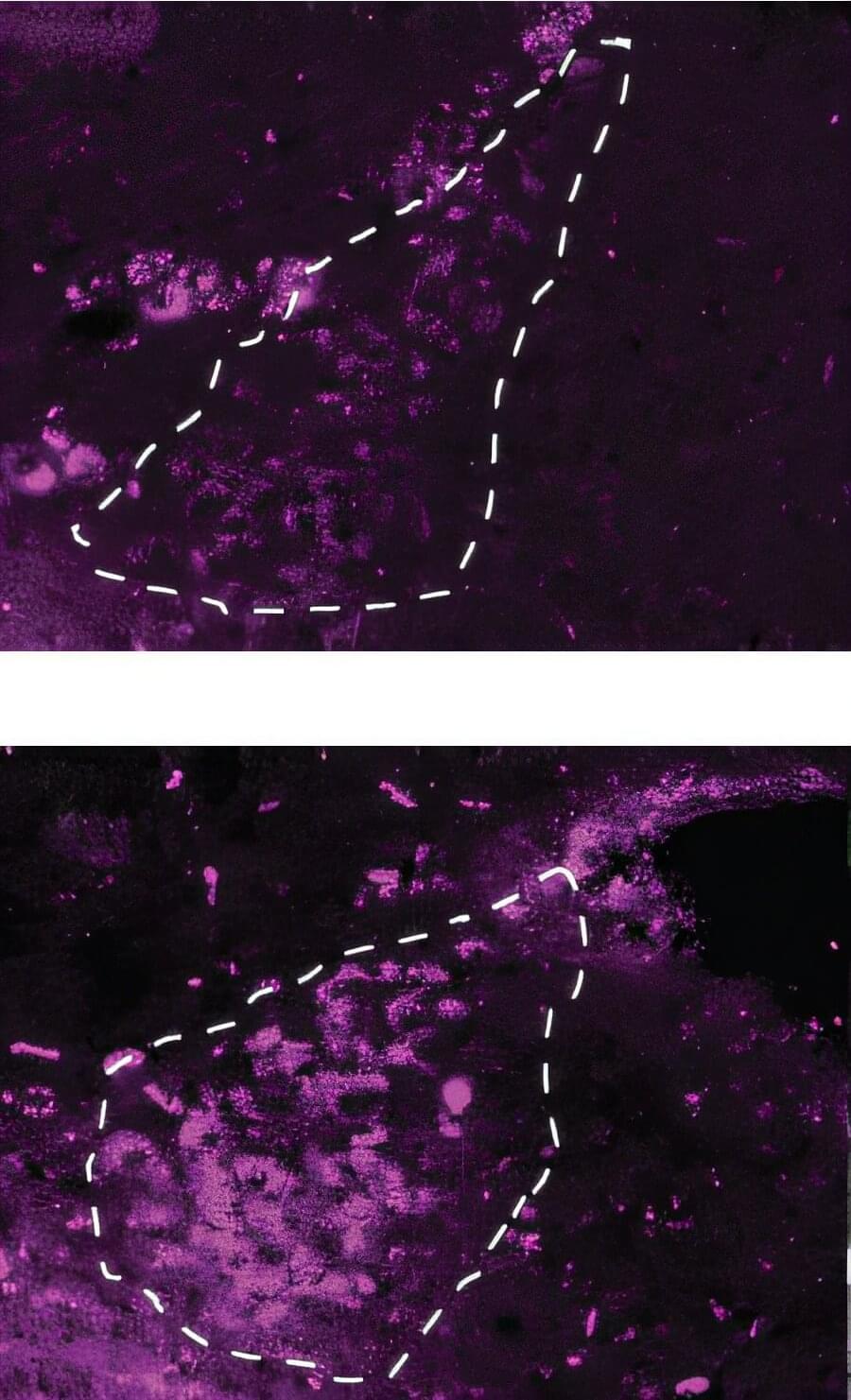
Early adult drinking linked to middle-age cognitive decline—even after extended abstinence

It’s well known that alcohol consumption is an age-old method for coping with stress. But recent research led by the University of Massachusetts Amherst has found that when such self-medication begins in early adulthood, negative cognitive effects start to show up in middle age—even after long periods of total abstinence. The study is published in the journal Alcohol, Clinical and Experimental Research.

These negative effects include a decreased ability to cope with changing situations, an increased likelihood to drink when stressed, and the kinds of cognitive decline associated with dementia and Alzheimer’s disease. The new research helps us understand how alcohol rewires the brain’s circuitry and can help suggest new approaches for helping people adapt to the long-term effects of alcohol use.

Researchers have long known that stress and alcohol have a mutually reinforcing relationship: Alcohol can help take the edge off stressful situations, but in so doing it can decrease the brain’s ability to manage stress on its own, meaning one has to keep drinking, and drinking more, in order to relieve stress from a bad day. At the same time, the more one drinks, the more stress can accrue from increasingly poor decision-making. It can be a vicious cycle that gets harder to break the more the brain’s circuitry changes. But what about the long-term effects of stress and alcohol?

/* */