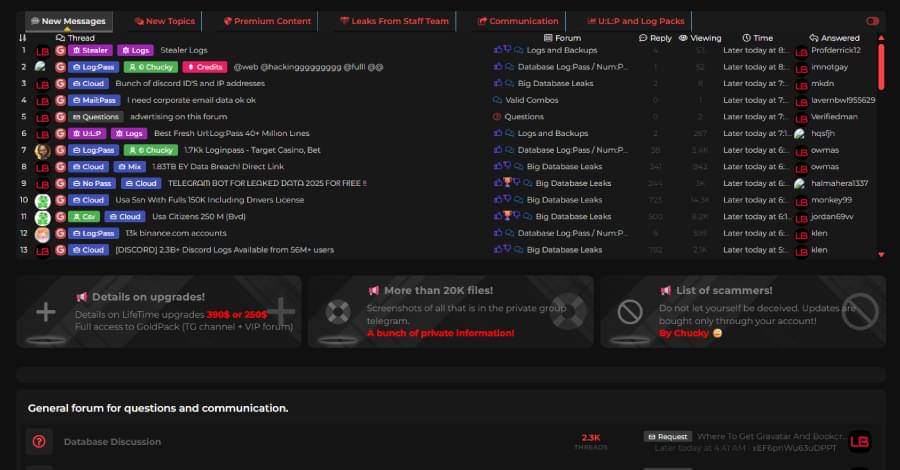
Authorities dismantled LeakBase, a cybercrime forum with 142,000 members trading stolen credentials and financial data in a global crackdown.

“The hacktivist threat in the Middle East is highly lopsided, with two groups, Keymous+ and DieNet, driving nearly 70% of all attack activity between February 28 and March 2,” Radware said in a Tuesday report. The first distributed denial-of-service (DDoS) attack was launched by Hider Nex (aka Tunisian Maskers Cyber Force) on February 28, 2026.
According to details shared by Orange Cyberdefense, Hider Nex is a shadowy Tunisian hacktivist group that supports pro-Palestinian causes. It leverages a hack-and-leak strategy combining DDoS attacks with data breaches to leak sensitive data and advance its geopolitical agenda. The group emerged in mid-2025.
In all, a total of 149 hacktivist DDoS claims were recorded targeting 110 distinct organizations across 16 countries. The attacks were carried out by 12 different groups, including Keymous+, DieNet, and NoName057(16), which accounted for 74.6% of all activity.
Bitwarden announced support for logging into Windows 11 devices using passkeys stored in the manager’s vault, enabling phishing-resistant authentication.
The new feature is available for all plans, including the free tier, and allows logging into Windows by selecting the security key option and scanning a QR code with a mobile device to confirm access to the passkey stored in the Bitwarden encrypted vault.
Bitwarden is an open-source password and secrets manager that can store account passwords, passkeys, API keys, credit card details, identity data, and private notes.
Microsoft has released the KB5075039 Windows Recovery Environment update for Windows 10 to fix a long-standing issue that prevented some users from accessing the Recovery environment.
The Windows Recovery Environment (WinRE) is a minimal troubleshooting environment used to repair or restore the operating system after it fails to start, to diagnose crashes, or to remove malware.
In October 2025, Microsoft confirmed that the KB5066835 Patch Tuesday updates broke USB mouse and keyboard input when using the Windows 11 Recovery Environment, making it difficult for many to use the troubleshooting tool.
Amazon is rolling out a new always-on DDoS protection feature for game servers hosted on Amazon’s GameLift Servers architecture.
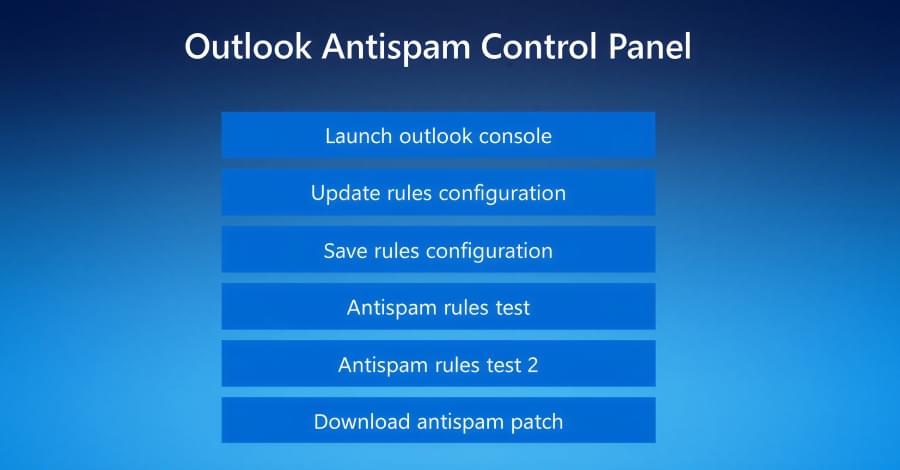
Threat hunters have called attention to a new campaign as part of which bad actors masqueraded as fake IT support to deliver the Havoc command-and-control (C2) framework as a precursor to data exfiltration or ransomware attack.
The intrusions, identified by Huntress last month across five partner organizations, involved the threat actors using email spam as lures, followed by a phone call from an IT desk that activates a layered malware delivery pipeline.
“In one organization, the adversary moved from initial access to nine additional endpoints over the course of eleven hours, deploying a mix of custom Havoc Demon payloads and legitimate RMM tools for persistence, with the speed of lateral movement strongly suggesting the end goal was data exfiltration, ransomware, or both,” researchers Michael Tigges, Anna Pham, and Bryan Masters said.

The U.S. Cybersecurity and Infrastructure Security Agency (CISA) has added a VMware Aria Operations vulnerability tracked as CVE-2026–22719 to its Known Exploited Vulnerabilities catalog, flagging the flaw as exploited in attacks.
Broadcom also warned that it is aware of reports indicating the vulnerability is exploited but says it cannot independently confirm the claims.
VMware Aria Operations is an enterprise monitoring platform that helps organizations track the performance and health of servers, networks, and cloud infrastructure.

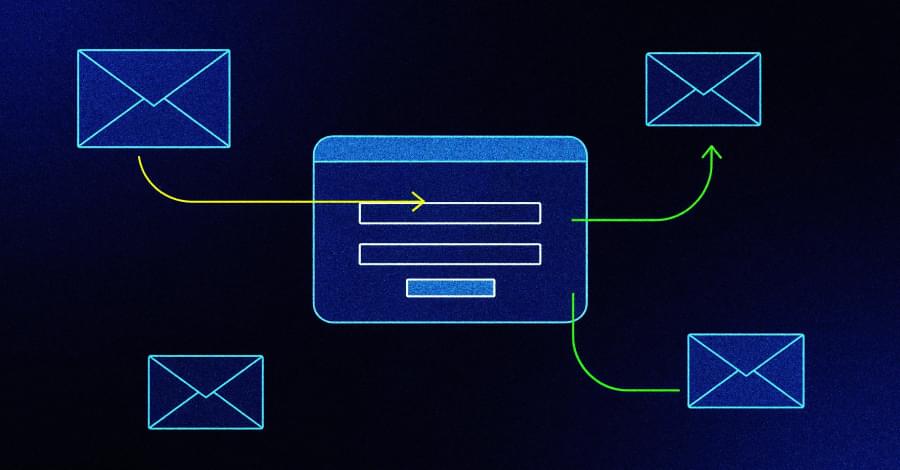
Hackers are abusing the legitimate OAuth redirection mechanism to bypass phishing protections in email and browsers to take users to malicious pages.
The attacks target government and public-sector organizations with phishing links that prompt users to authenticate to a malicious application, Microsoft Defender researchers say.
With e-signature requests, Social Security notices, meeting invitations, password resets, or various financial and political topics that contain OAuth redirect URLs. Sometimes, the URLs are embedded in PDF files to evade detection.

A phishing campaign is using a fake Google Account security page to deliver a web-based app capable of stealing one-time passcodes, harvesting cryptocurrency wallet addresses, and proxying attacker traffic through victims’ browsers.
The attack leverages Progressive Web App (PWA) features and social engineering to deceive users into believing they are interacting with a legitimate Google Security web page and inadvertently installing the malware.
PWAs run in the browser and can be installed from a website, just like a standalone regular application, which is displayed in its own window without any visible browser controls.