Toggle light / dark theme

New study shows how sickle cell affects brain function

Sickle cell disease is often thought of solely as a blood disorder, but new research from the Wood Neuro Research Group provides measurable evidence that it can reshape how brain networks function. Previous neuroimaging studies have relied on functional connectivity to show that adults with sickle cell disease may experience changes in how brain networks communicate among one another, potentially compensating for reduced oxygen delivery. However, this method is limited in determining the directionality or influence between networks.

“Red blood cells that carry oxygen to the brain are altered by the disease, resulting in reduced oxygen delivery to all regions of the brain and long-term changes in how it functions,” outlined Nahom Mossazghi, biomedical engineering Ph.D. student and the study’s first author. “The brain actively recruits other regions to help process information, which we do not see in people without the disease.”

The study, published in Human Brain Mapping, used MRI and advanced analytical tools originally developed in economics to examine how different brain networks influence one another. Instead of functional connectivity, effective connectivity was used to address a gap in the field and interpret how specific networks support one another in response to the disease-related changes.
Temporal lobe epilepsy: A new strategy to correct abnormal electrical activity

Many patients suffer from epilepsy that cannot be controlled by current medications. Surgical removal of epileptogenic brain regions is effective in only about half of cases, and not all patients are eligible for the procedure. For these individuals, therapeutic options remain severely limited. Researchers from the Paris Brain Institute and the Institut du Fer à Moulin in Paris have now taken an important step forward: they have identified two molecules capable of reducing seizure frequency by targeting a mechanism that has so far received little attention. Their findings are published in Proceedings of the National Academy of Sciences.

For the brain to function normally, it must continuously regulate its electrical activity. One of the key mechanisms involved is GABAergic signaling, a natural inhibitory system that controls neuronal activity and prevents the electrical bursts that characterize epileptic seizures. This braking system depends on a delicate balance: the concentration of chloride inside neurons.

An ion transporter known as KCC2 is responsible for removing excess chloride from nerve cells. When it functions poorly—as observed in many neurological disorders, including mesial temporal lobe epilepsy, the most common form of focal epilepsy in adults—chloride accumulates inside neurons. As a result, GABAergic signals, instead of inhibiting neuronal activity, can paradoxically excite it.

Targeting amyloid-β pathology by chimeric antigen receptor astrocyte (CAR-A) therapy

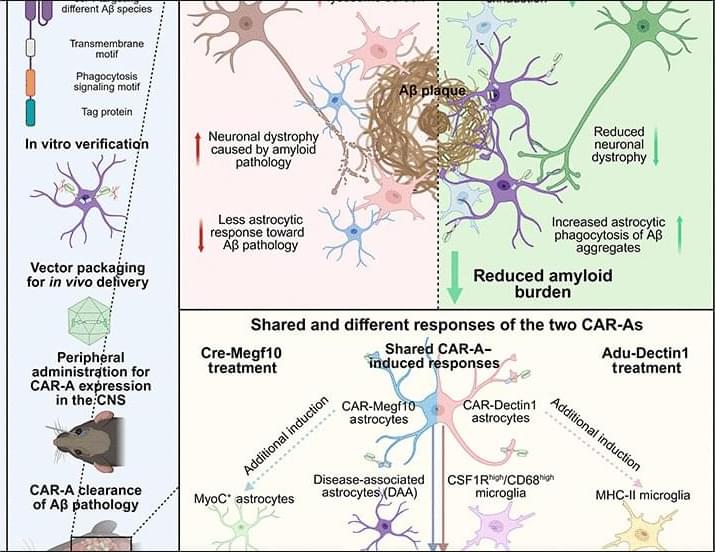
Researchers at Washington University in St. Louis have developed a novel cell therapy for Alzheimer’s disease using genetically modified astrocytes — the brain’s most abundant cells. By equipping these cells with a chimeric antigen receptor (CAR), scientists enabled them to specifically target and clear beta-amyloid plaques, the toxic protein deposits that accumulate in brain tissue and drive neurodegeneration. In mouse trials, a single injection prevented plaque formation in young healthy rodents and reduced existing plaque levels by half in older mice. While the approach is still being refined to minimize side effects and must be evaluated for human safety, it holds promise both as a preventive measure and as a treatment at various stages of Alzheimer’s. The same technology may eventually be adapted for cancer therapy by reprogramming the cells to target tumor markers.


Alzheimer’s disease (AD) is the leading cause of dementia and is characterized by progressive amyloid accumulation followed by tau-mediated neurodegeneration. Despite advances in anti-amyloid immunotherapies, important limitations remain, highlighting the need for new therapeutic strategies. Here, we introduce anti-amyloid chimeric antigen receptors expressed in astrocytes (CAR-A) and validate their function in vitro. We show that two CAR-A designs reduce amyloid and associated pathology after plaque formation and prevent early plaque deposition in vivo. Single-nucleus RNA sequencing shows that CAR-A treatment induces a distinct glial response to amyloid pathology involving coordinated activity of astrocytes and microglia. Each construct additionally elicits distinctive, receptor-specific effects in astrocytes or microglia.

Why organisms are more than machines

We are living in the age of maximum AI hype: A superintelligence that surpasses humanity is going to emerge at any moment, according to the most breathless corners of the tech world.

There are basic technical grounds to be skeptical of that claim, but beyond that, a much deeper issue lies at the boundary between science and philosophy: What makes life different from non-life? Why is a rock inert and insensate, while even the simplest cell manifests open-ended activity in the relentless pursuit of staying alive? Since the only systems that indisputably display intelligence are alive, if we can’t understand life, we’re probably missing something essential about intelligence.

Sixty years ago, an influential but little-known philosopher named Hans Jonas gave a potent, creative, and radical answer to this question of what makes life different from non-life. In the decades since, the power and reach of his perspective have gained traction. Today, for a growing group of researchers — in fields ranging from neuroscience to the physics of complex systems — Jonas has become an incisive voice arguing forcefully that organisms are more than just machines, and minds are more than just computers.

Creating less trippy, more therapeutic ‘magic mushrooms’

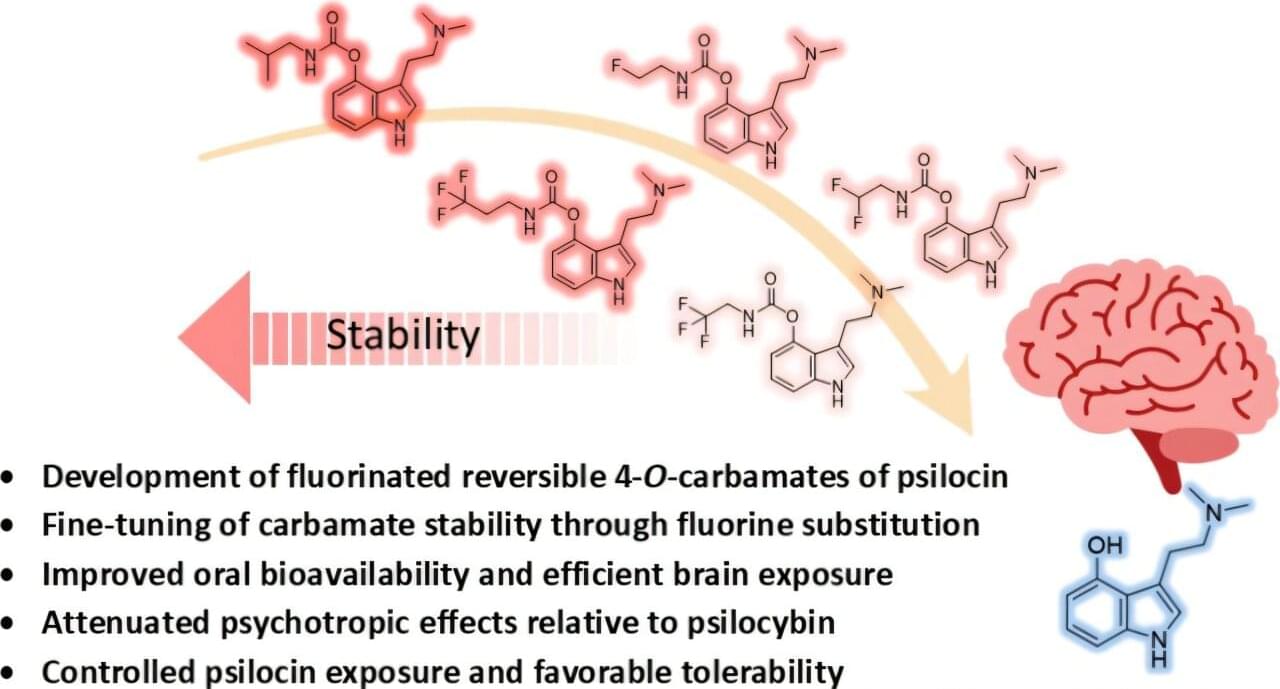
Psilocybin—the psychoactive compound in “magic mushrooms”—is gaining scientific attention for its potential in treating neuropsychiatric conditions including depression, anxiety, substance use disorders and certain neurodegenerative diseases. However, its hallucinogenic effects may limit broader therapeutic applications. Researchers publishing in the Journal of Medicinal Chemistry synthesized modified versions of psilocin, the active form of psilocybin, that retained its activity while producing fewer hallucinogenic-like effects than pharmaceutical-grade psilocybin in a preliminary study in mice.

“Our findings are consistent with a growing scientific perspective suggesting that psychedelic effects and serotonergic activity may be dissociated,” says Andrea Mattarei, a corresponding author of the study. “This opens the possibility of designing new therapeutics that retain beneficial biological activity while reducing hallucinogenic responses, potentially enabling safer and more practical treatment strategies.”

Mood disorders and some neurodegenerative diseases, such as Alzheimer’s disease, involve imbalances of the neurotransmitter molecule serotonin, which helps regulate mood and other brain functions. For decades, scientists have been investigating the therapeutic use of psychedelics such as psilocybin on serotonin-signaling pathways. However, the hallucinations that can accompany these drugs may make people wary of taking them, even if there is a medical benefit.

Scientists discover a hidden force that helps wire the brain

Growing neurons rely on chemical cues to find their targets, but new research shows that the brain’s physical properties help shape those signals. Scientists discovered that tissue stiffness can trigger the production of guidance molecules through a force-sensing protein called Piezo1. This protein not only detects mechanical forces but also helps maintain the structure of brain tissue. The discovery reveals a powerful link between the brain’s physical environment and how its wiring is built.

Group Vs Individual Grief-Focused Cognitive Behavioral Therapy for Older Adults

In a randomized clinical trial including older bereaved adults, group-format grief-focused cognitive behavioral therapy (ProlongedGriefDisorder) was noninferior to individual therapy for reducing symptoms of prolonged grief, posttraumatic stress disorder, depression, and anxiety at 6 months.

Both formats produced large reductions in symptom burden, suggesting either delivery method is effective for older adults seeking treatment after loss.


This study examines whether cognitive behavioral therapy delivered in a group format is noninferior to cognitive behavioral therapy delivered in an individual format in reducing prolonged grief disorder symptoms in older adults.

Ribosome organization during stress!

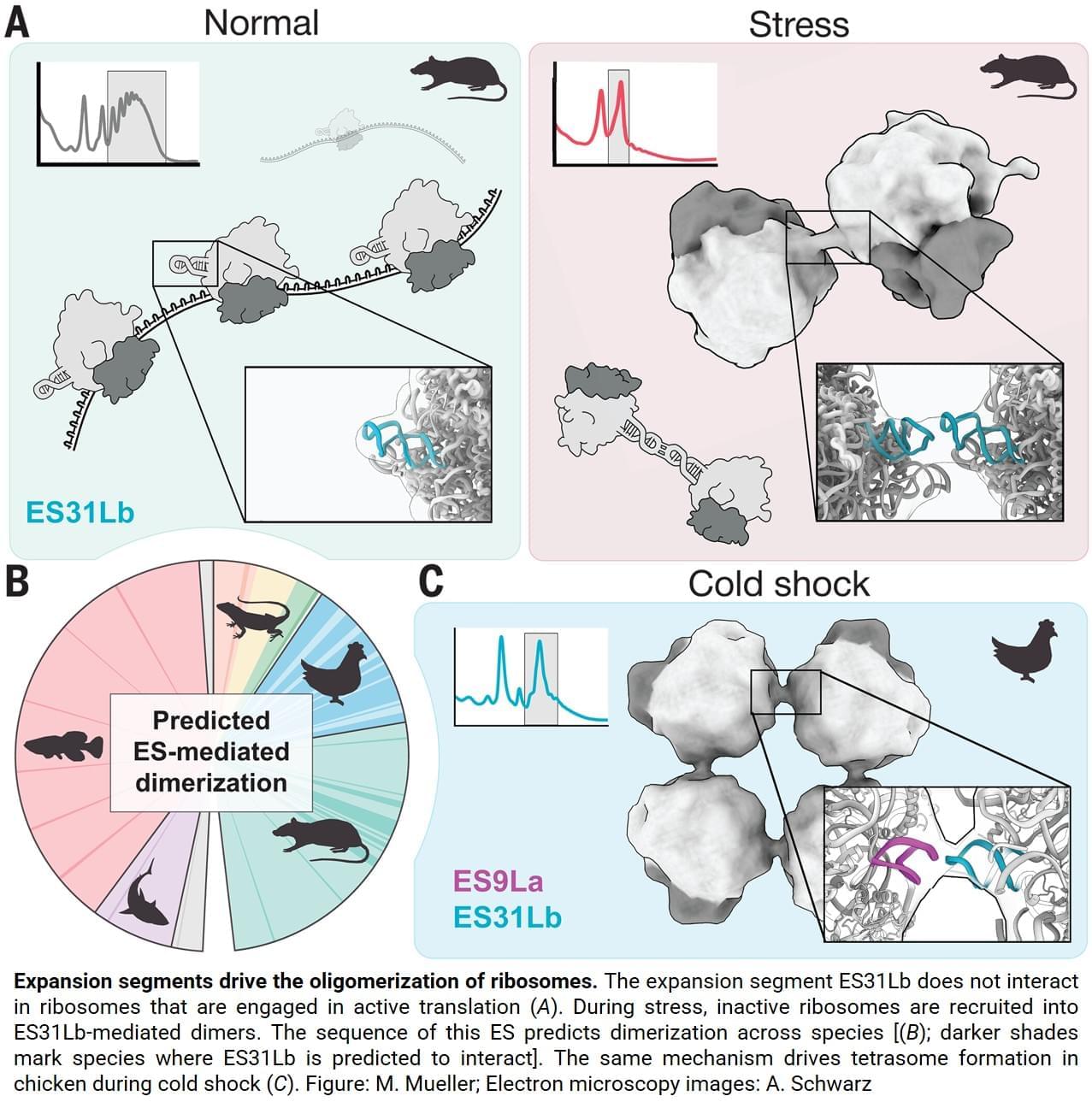
“Surprisingly, the two ribosomes are not held together by proteins, as is common in bacteria. Instead, the connection is made by a specific piece of ribosomal RNA called an expansion segment”, explains one of the lead authors.

Expansion segments are long, flexible RNA “tentacles” that protrude from ribosomes and have grown larger over the course of evolution. Although they are a prominent feature of animal ribosomes, their functions only just started to emerge. This study now shows that one particular expansion segment, called “31b”, is both necessary and sufficient to link ribosomes together during stress. At the molecular level, the expansion segment forms a precise RNA-RNA interaction — a so-called “kissing loop” — in which identical RNA loops bind each other through complementary sequences. Disrupting this interaction prevents disome formation, stunts cellular growth and makes cells more sensitive to stress. Science Mission sciencenewshighlights.


Ribosomes, the cell’s protein-making factories, consume large amounts of energy as they build the proteins that keep cells alive and functioning. When cells experience stress — such as lack of nutrients or sudden drops in temperature — they quickly switch into survival mode. New research now reveals an unexpected way cells manage this transition: By pairing up inactive ribosomes using a ribosomal RNA link. This RNA-based mechanism reveals a previously unknown role for ribosomal RNA in the cellular stress response.

Ribosomes are large molecular machines made of protein and RNA that build all proteins in the cell. Because protein production is extremely energy-intensive, cells rapidly reduce protein synthesis when stressed. It has long been known that bacterial cells pair their inactive ribosomes into so-called “hibernating disomes” however, such structures had not previously been identified in animal cells.

Using advanced imaging techniques, the team discovered that stressed animal cells — including neurons — assemble inactive ribosomes into tightly linked pairs, known as disomes. These ribosome pairs are not accidental collisions or artifacts, but a regulated and reversible response to stress. The new study was published in Science.

Alzheimer’s may start with inflammation in the skin, lungs or gut

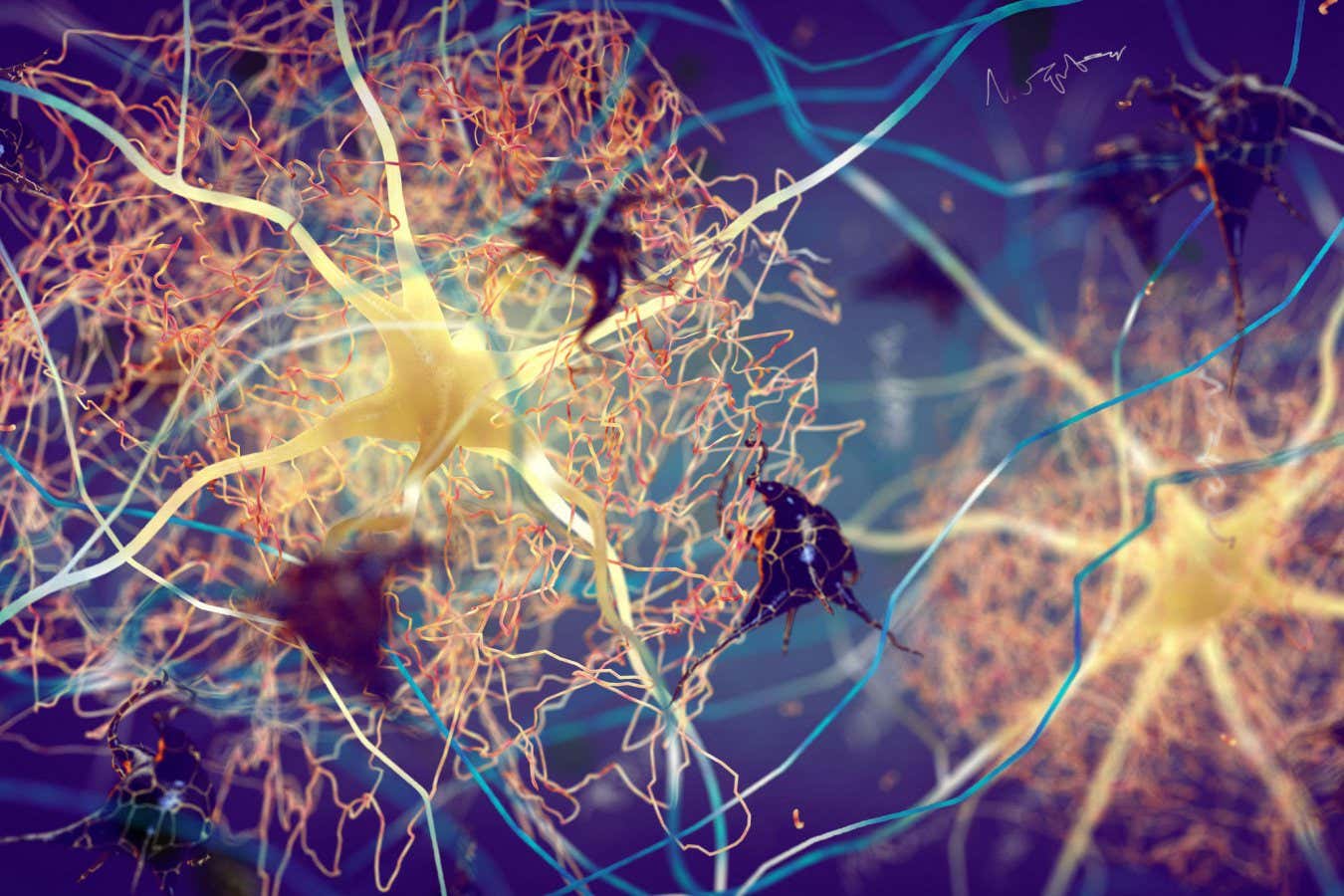
Alzheimer’s disease has long been viewed as something that originates inside the brain, but an in-depth genomic analysis suggests it may initially triggered by inflammation in distant organs like the skin, lungs or gut – perhaps decades before a person’s memory starts to decline.

This radical reframing of the disease may explain why Alzheimer’s drugs have been disappointing to date, because they act too late in the disease process. Instead, we may need to redirect our efforts towards addressing inflammation in other parts of the body.

“As neuroscientists, we tend to be very brain-centric, but this study really shines a spotlight on the fact that the brain is not disconnected from the rest of the body, and when changes happen in the rest of the body, it affects how the brain functions,” says Donna Wilcock at Indiana University, who wasn’t involved in the research. “Even though Alzheimer’s is a brain disease, we need to think about the whole body when we think about how it begins.”

Image: Alamy


The Alzheimer’s field is being turned on its head as mounting evidence points to the disease beginning outside the brain many years before symptoms start. This may mean we have to totally rethink how we approach preventing and treating the condition.

By Alice Klein

/* */