Cortical Labs hopes neuronal chips will do much more than shoot pixelated demons.
Category: neuroscience – Page 6

Enhancing Neurodevelopmental Outcomes of High-Risk Infants
Editorial: A parent-led developmental intervention improved executive function at school age in preterm children, especially in disadvantaged settings, supporting early, home-based approaches for neurodevelopment.
In a report of a trial in JAMA Pediatr ics, Tarouco et al1 describe studying the effect of a parent-led enhanced developmental intervention (EDI) on executive function at school age among children born preterm in Porto Alegre, Brazil. The intervention took place from ages 7 months to 12 months, and children who received parent-led EDI performed significantly better than those in the usual care group across all 4 domains assessed, with the strongest effects noted for motor persistence and inhibition.2
Executive function refers to the set of higher-order cognitive processes involved in emotional self-regulation and independent goal-directed behavior.3 Specifically, executive function comprises 3 major facets, working memory, inhibitory control, and cognitive flexibility, which form the basis of critical processes such as reasoning, problem-solving, and planning.4 As Tarouco et al1 note, executive function has been found to be more important for school readiness than a child’s IQ or entry-level reading or math skills.5 Children born preterm are more likely to have deficits in executive function as a consequence of numerous factors, including brain injury and reduced brain volume in regions associated with executive functioning (cerebral white matter; frontal, parietal, and temporal cortices; basal ganglia; and cerebellum) compared with term-born controls; medical comorbidities associated with prematurity (eg, bronchopulmonary dysplasia, necrotizing enterocolitis, sepsis) causing further oxidative damage; and neurosensory impairments.6 These deficits lead to academic challenges with lower scores in mathematics, reading, spelling, and writing; increased risk of learning disabilities; and multiple challenges navigating the demands of daily life.7 Given these widespread consequences, interventions addressing executive function are crucial in mitigating developmental delays in preterm infants and improving school success and participation. The neonatal and early infancy periods represent a window of opportunity to leverage the developing brain’s neuroplasticity to enhance long-term social and academic development.8
The majority of studies on measuring and improving executive function have been conducted in high-income, typically Western, industrialized countries, which represent a small fraction of the global population.9 Environmental and cultural factors, including home familial structure, diet and nutrition, parenting styles, home enrichment, and early life experiences, can vary vastly between high-income settings and low-to-middle-income countries (LMICs). There are a dearth of data surrounding interventions tailored to improving executive function in LMICs and a limited understanding of the factors that are protective for early development. The study by Tarouco et al1 adds valuable data relevant to this need. Importantly, the study intervention demonstrated benefit among a study cohort with social disadvantage because the majority of participants were receiving governmental assistance and attending public schools and participant mothers were largely from low socioeconomic strata.
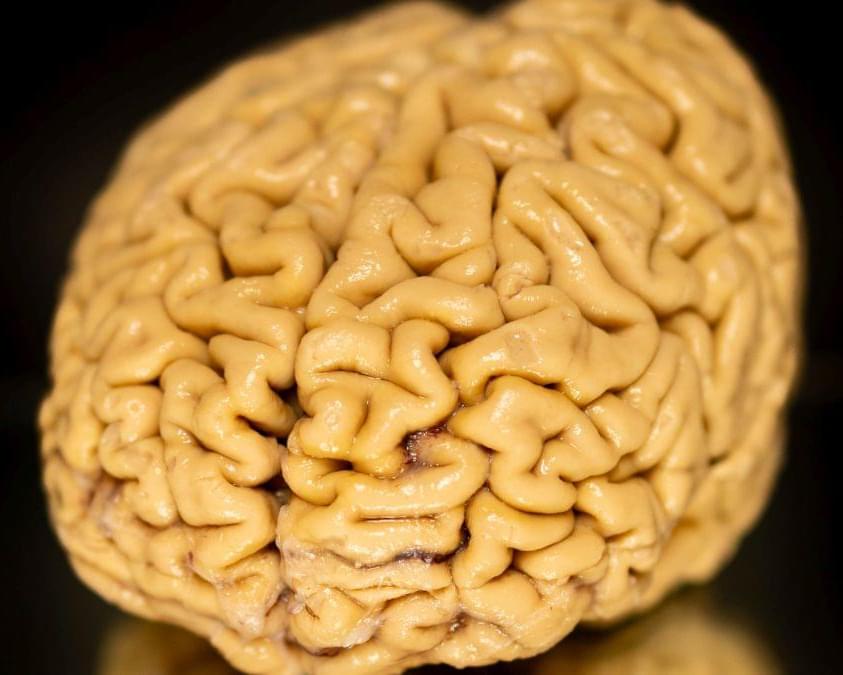
Superagers’ ‘Secret Ingredient’ May Be The Growth of New Brain Cells
Not only do our brains appear to generate new neurons into adulthood, but those of superagers contain far more brain cells in development than those of healthy peers, new research has found.
According to a study of 38 adult human brains donated to science, superagers – people who retain exceptional memory as they age – have roughly twice as many immature neurons as their peers who age more typically.
Moreover, people with Alzheimer’s disease show a marked reduction in neurogenesis compared to a normal baseline.

Growing up with solid cooking fuels linked to long-term brain health risks
Exposure to indoor air pollution during childhood tends to be linked to poorer cognitive health in older adulthood. This suggests that access to clean energy early in life might help protect the brain as it ages. These findings come from a recent study published in Social Science & Medicine, which provides evidence that growing up in homes using solid fuels for cooking can set off a chain of disadvantages that affect memory and thinking skills decades later.
Xu Zong conducted the new study to explore a gap in our understanding of how early environmental exposures shape aging. While many scientists have established that breathing polluted air during adulthood increases the risk of cognitive decline, the long-term impact of breathing indoor air pollution during childhood remained mostly unexplored. Around the world, billions of people still rely on solid fuels like coal and wood for daily cooking and heating. This practice fills homes with toxic pollutants.
“I am interested in understanding how early-life living conditions, specifically indoor air pollution, may have long-term consequences for cognitive health. Air pollution has been highlighted by The Lancet as one of the modifiable risk factors for dementia. While much research has focused on adult exposures or urban outdoor pollution, there was a gap in linking childhood indoor environments to cognitive outcomes later in life,” said Zong, a researcher at the Max Planck – University of Helsinki Center for Social Inequalities in Population Health.

All-in-Focus Fourier Ptychographic Microscopy via 3D Implicit Neural Representation
Microscopy has long been essential to biomedical research, enabling detailed analyses of complex samples. Fourier ptychographic microscopy (FPM), a computational imaging technique, provides high-resolution, wide-field images without requiring extensive hardware modifications. However, current FPM algorithms struggle with samples exhibiting depth variations, such as tilted or 3-dimensional (3D) objects. The limited depth of field (DoF) leads to images with only focal-plane areas in sharp focus, while regions outside appear blurred. To address this limitation, we propose an all-in-focus FPM algorithm using physics-informed 3D neural representations to reconstruct sharp, wide-field images of 3D objects under limited DoF. Unlike previous methods, our approach samples the full depth range to create a 3D feature volume that incorporates spatial and depth information.
Consciousness Creates the Universe Says Roger Penrose
Read “” by James P. Kowall on Medium.
Watch this very interesting video in which Roger Penrose argues that Consciousness is fundamental and came first before it created the universe through a process of observation that turns potentiality into actuality:
For 400 years, we’ve believed that mindless matter eventually evolved into conscious minds. But what if we have the causation completely backwards? What if consciousness is the precondition for the universe?
In this video, we dive deep into the quantum paradox, wave function collapse, and the radical scientific theory that consciousness isn’t an accident of evolution — it’s the fundamental building block of reality itself. From the Copenhagen interpretation to the mysteries of the biological brain, we explore how quantum mechanics suggests the physical world is simply what appears when consciousness observes itself.


Large-Scale Neuromorphic Spiking Array Processors: A Quest to Mimic the Brain
Neuromorphic engineering (NE) encompasses a diverse range of approaches to information processing that are inspired by neurobiological systems, and this feature distinguishes neuromorphic systems from conventional computing systems. The brain has evolved over billions of years to solve difficult engineering problems by using efficient, parallel, low-power computation. The goal of NE is to design systems capable of brain-like computation. Numerous large-scale neuromorphic projects have emerged recently. This interdisciplinary field was listed among the top 10 technology breakthroughs of 2014 by the MIT Technology Review and among the top 10 emerging technologies of 2015 by the World Economic Forum.

Flexible high-density microelectrode arrays for closed-loop brain–machine interfaces: a review
Flexible high-density microelectrode arrays (HDMEAs) are emerging as a key component in closed-loop brain–machine interfaces (BMIs), providing high-resolution functionality for recording, stimulation, or both. The flexibility of these arrays provides advantages over rigid ones, such as reduced mismatch between interface and tissue, resilience to micromotion, and sustained long-term performance. This review summarizes the recent developments and applications of flexible HDMEAs in closed-loop BMI systems. It delves into the various challenges encountered in the development of ideal flexible HDMEAs for closed-loop BMI systems and highlights the latest methodologies and breakthroughs to address these challenges. These insights could be instrumental in guiding the creation of future generations of flexible HDMEAs, specifically tailored for use in closed-loop BMIs.