Toggle light / dark theme

Viridian inks cooperative agreement with Air Force Research Laboratory

SAN FRANCISCO — Viridian Space Corp. signed a cooperative research and development agreement (CRADA) with the Air Force Research Laboratory.

The five-year CRADA will provide the Southern California startup with access to testing facilities and satellite-operations expertise at AFRL’s Kirtland Air Force Base in New Mexico.

“There seems to be a good collaborative opportunity for testing our technology on the ground and, when we fly, collecting and sharing data from the [Very Low Earth Orbit] VLEO environment,” Viridian Space CEO Rostislav Spektor told SpaceNews. “Characterizing the VLEO environment is important for satellites that fly in VLEO and for satellites traveling to higher orbits that fly through VLEO.”
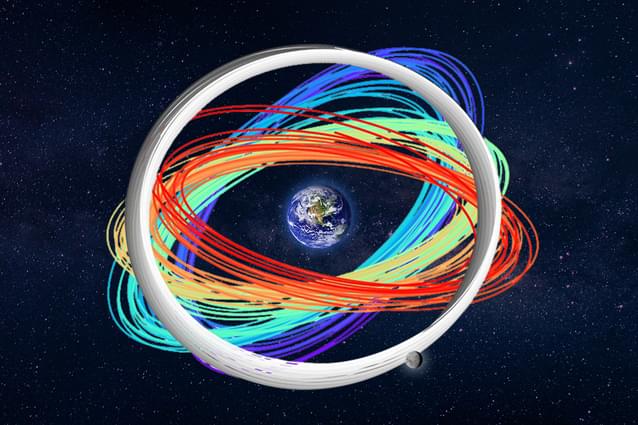
Simulations and supercomputing calculate one million orbits in cislunar space

Satellites and spacecraft in the vast region between the earth and moon and just beyond — called cislunar space — are crucial for space exploration, scientific advancement and national security. But figuring out where exactly to put them into a stable orbit can be a huge, computationally expensive challenge.

In an open-access database and with publicly available code, researchers at Lawrence Livermore National Laboratory (LLNL) have simulated and published one million orbits in cislunar space. The effort, enabled by supercomputing resources at the Laboratory, provides valuable data that can be used to plan missions, predict how small perturbations might change orbits and monitor space traffic.

To begin, the Space Situational Awareness Python package takes in a range of initial conditions for an orbit, like how elliptical and tilted the orbit is and how far it gets from the earth.

New 3D map of the sun’s magnetic interior could improve predictions of disruptive solar flares

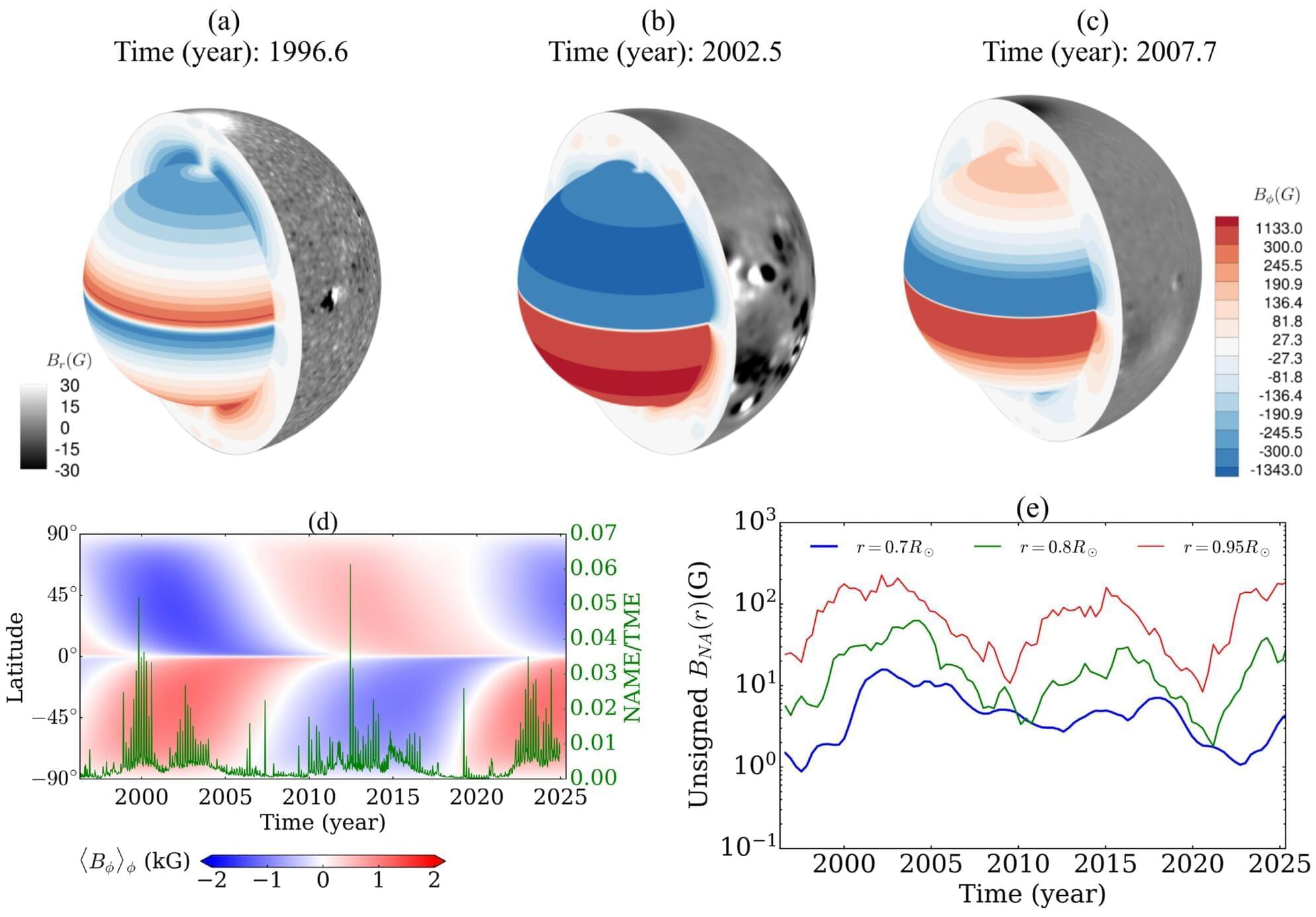
For the first time, scientists have used satellite data to create a 3D map of the sun’s interior magnetic field, the fundamental driver of solar activity. The research, published in The Astrophysical Journal Letters, should enable more accurate predictions of solar cycles and space weather that affects satellites and power grids.

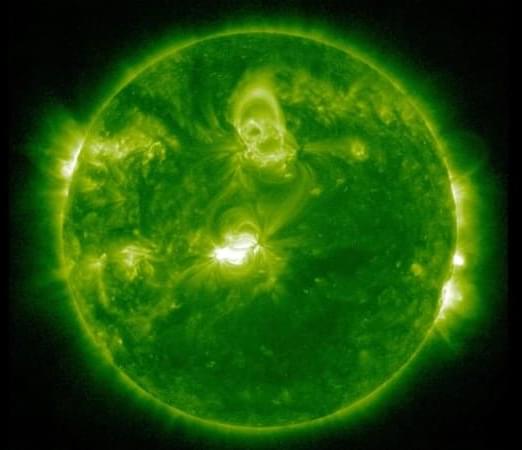
The sun is more than just a fiery hot ball of hydrogen and helium gas. It is a giant magnetic star. Beneath the surface is a magnetic layer that is responsible for everything from the dark spots we see on its face to violent flares that erupt into space. Because of the disruption caused by solar storms, we need to know what is going on inside. We can’t directly observe the interior, so to date we have relied on models that depend on simplified assumptions. But these can be inaccurate.

To get a better idea of what is going on inside the sun, researchers from India fed 30 years of daily magnetic maps from satellites (from 1996 to 2025) into a sophisticated 3D model of the solar dynamo, the physical process that generates the sun’s magnetic field. By using this real-world data, they could track how magnetic fields move deep beneath the surface, where satellites cannot penetrate.

‘Thermal diode’ design promises to improve heat regulation, prolonging battery life

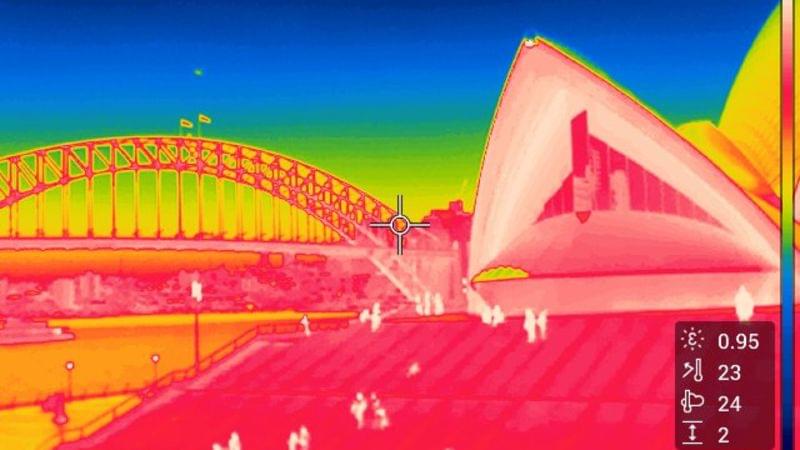
New technology from University of Houston researchers could improve the way devices manage heat, thanks to a technique that allows heat to flow in only one direction. The innovation is known as thermal rectification, and was developed by Bo Zhao, an award-winning and internationally recognized engineering professor at the Cullen College of Engineering, and his doctoral student Sina Jafari Ghalekohneh. The work is published in Physical Review Research.

A new way to steer heat

This new technology gives engineers a new way to control radiative heat with the same precision that electronic diodes control electrical currents, which means longer-lasting batteries for cell phones, electric vehicles and even satellites. It also has the potential to change our approach to AI data centers.

Chip-sized optical amplifier can intensify light 100-fold with minimal energy

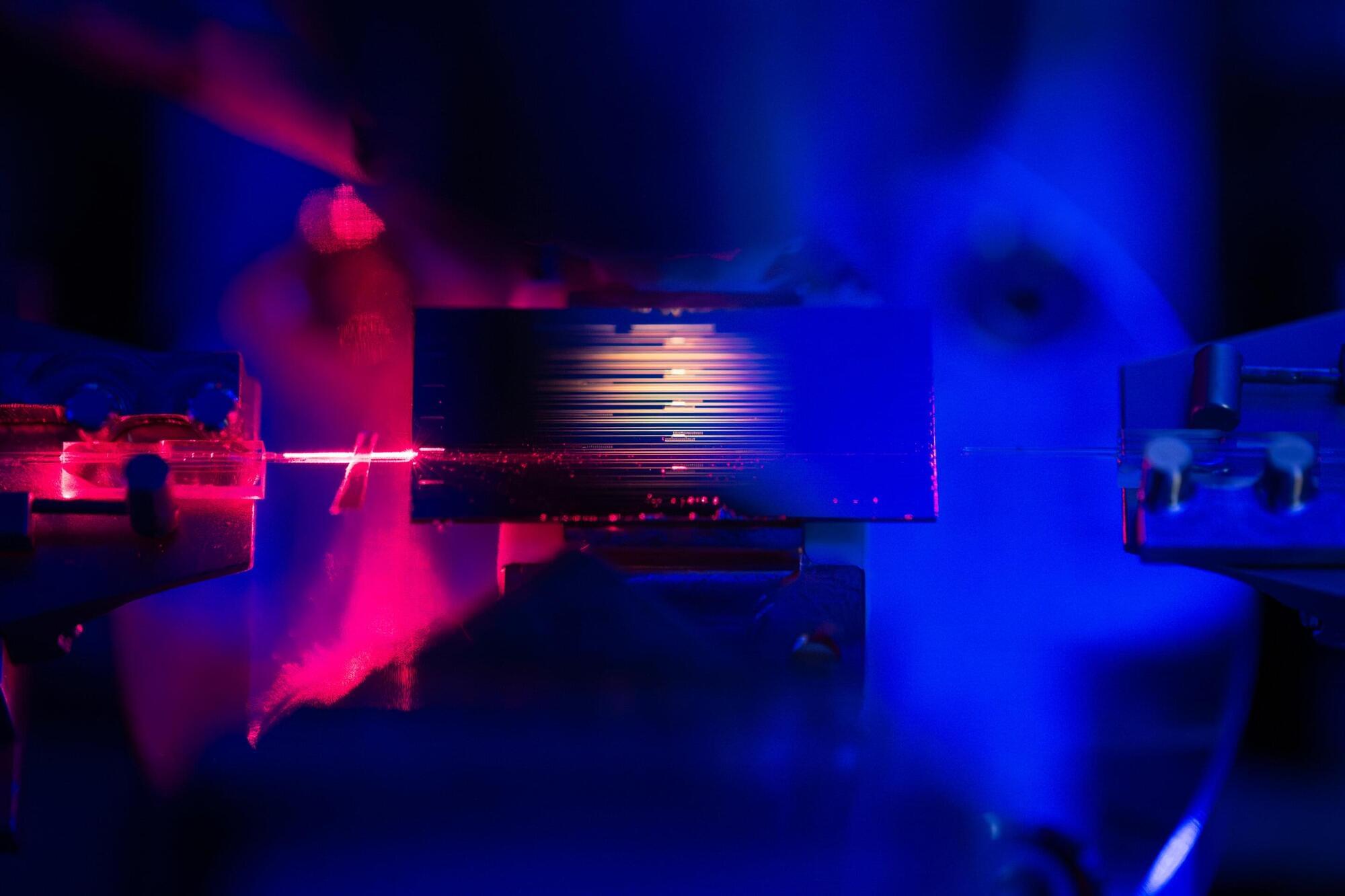
Light does a lot of work in the modern world, enabling all types of information technology, from TVs to satellites to fiber-optic cables that carry the internet across oceans. Stanford physicists recently found a way to make that light work even harder with an optical amplifier that requires low amounts of energy without any loss of bandwidth, all on a device the size of a fingertip.

Similar to sound amplifiers, optical amplifiers take a light signal and intensify it. Current small-sized optical amplifiers need a lot of power to function. The new optical amplifier, detailed in the journal Nature, solves this problem by using a method that essentially recycles the energy used to power it.

“We’ve demonstrated, for the first time, a truly versatile, low-power optical amplifier, one that can operate across the optical spectrum and is efficient enough that it can be integrated on a chip,” said Amir Safavi-Naeini, the study’s senior author and associate professor of physics in Stanford’s School of Humanities and Sciences. “That means we can now build much more complex optical systems than were possible before.”

Amazon Leo satellites exceed brightness limits, study finds

Seeing a satellite zip across the night sky can be a fascinating sight. However, what may be spectacular for people on the ground is becoming a major problem for astronomers. A new study published on the arXiv preprint server has found that satellites from Amazon’s mega Leo constellation (originally known as Project Kuiper) are bright enough to disrupt astronomical research.

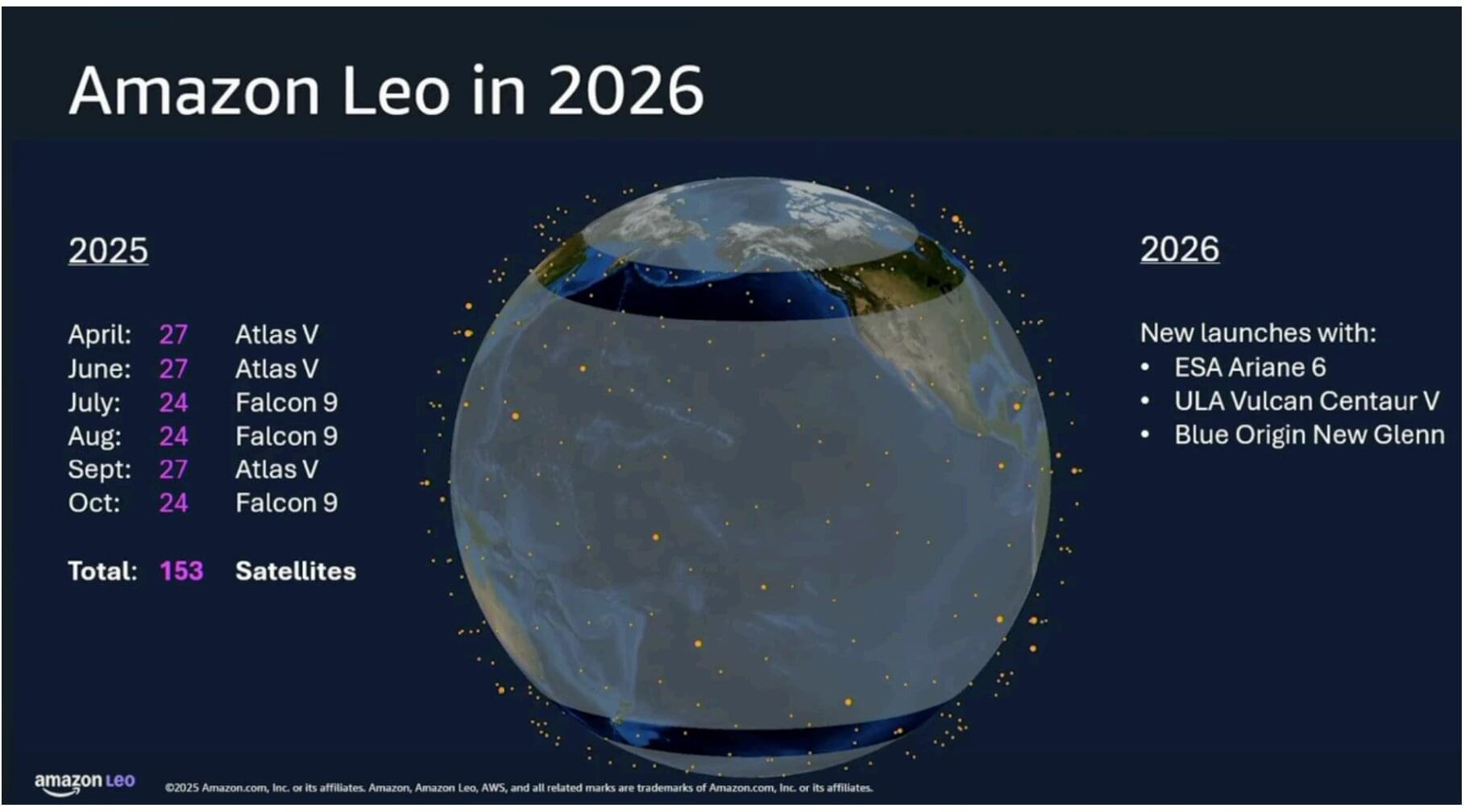
Amazon launched the first satellites for its Project Kuiper in April 2025. Eventually, the constellation will comprise 3,232 satellites to provide high-speed internet across the globe. However, this connectivity can come at a cost.

/* */