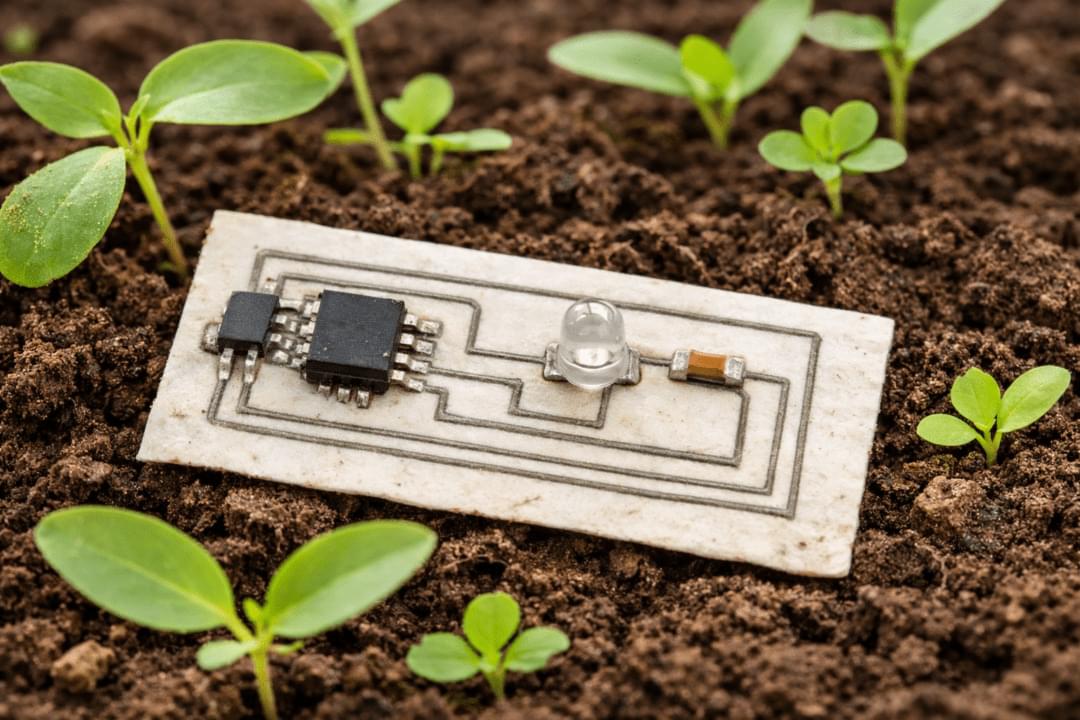
Researchers at the University of Glasgow have developed an almost entirely biodegradable PCB using zinc conductors and bio-derived substrate materials. The work aims to reduce the environmental impact of electronic waste by replacing conventional copper-based PCBs in applications designed for short operational lifetimes.
For eeNews Europe readers, the research is relevant as it explores alternative PCB materials and manufacturing methods that could be applied to disposable and low-duty-cycle electronics, including sensing and IoT-related devices.
The approach differs from conventional PCB fabrication, which typically involves etching copper from a full sheet. Instead, the researchers use what they describe as a growth and transfer additive manufacturing process, depositing conductive material only where tracks are required. According to the team, this reduces metal usage and avoids the use of harsh chemical etchants.
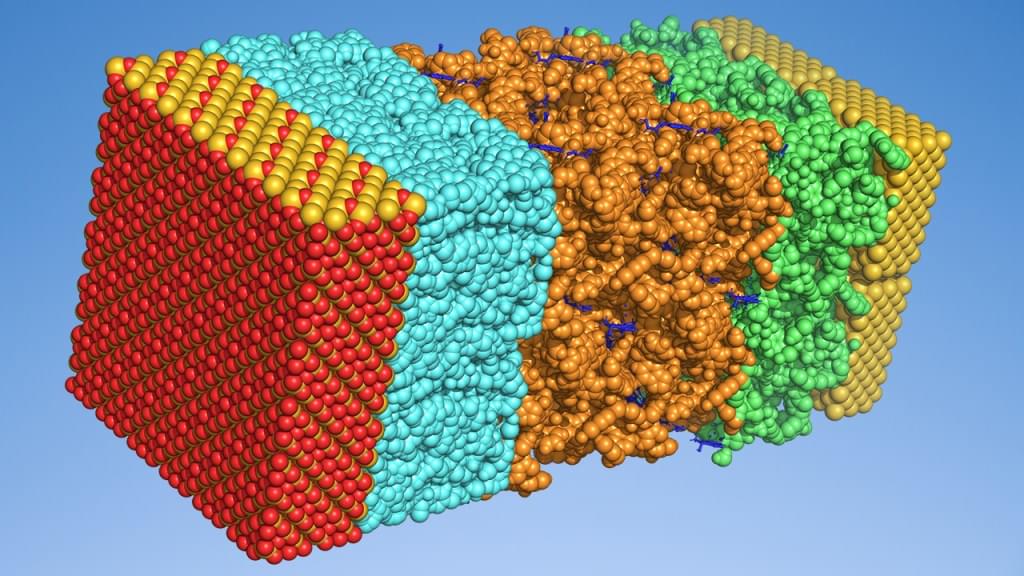
Many advanced electronic devices – such as OLEDs, batteries, solar cells, and transistors – rely on complex multilayer architectures composed of multiple materials. Optimizing device performance, stability, and efficiency requires precise control over layer composition and arrangement, yet experimental exploration of new designs is costly and time-intensive. Although physics-based simulations offer insight into individual materials, they are often impractical for full device architectures due to computational expense and methodological limitations.
Schrödinger has developed a machine learning (ML) framework that enables users to predict key performance metrics of multilayered electronic devices from simple, intuitive descriptions of their architecture and operating conditions. This approach integrates automated ML workflows with physics-based simulations in the Schrödinger Materials Science suite, leveraging physics-based simulation outputs to improve model accuracy and predictive power. This advancement provides a scalable solution for rapidly exploring novel device design spaces – enabling targeted evaluations such as modifying layer composition, adding or removing layers, and adjusting layer dimensions or morphology. Users can efficiently predict device performance and uncover interpretable relationships between functionality, layer architecture, and materials chemistry. While this webinar focuses on single-unit and tandem OLEDs, the approach is readily adaptable to a wide range of electronic devices.
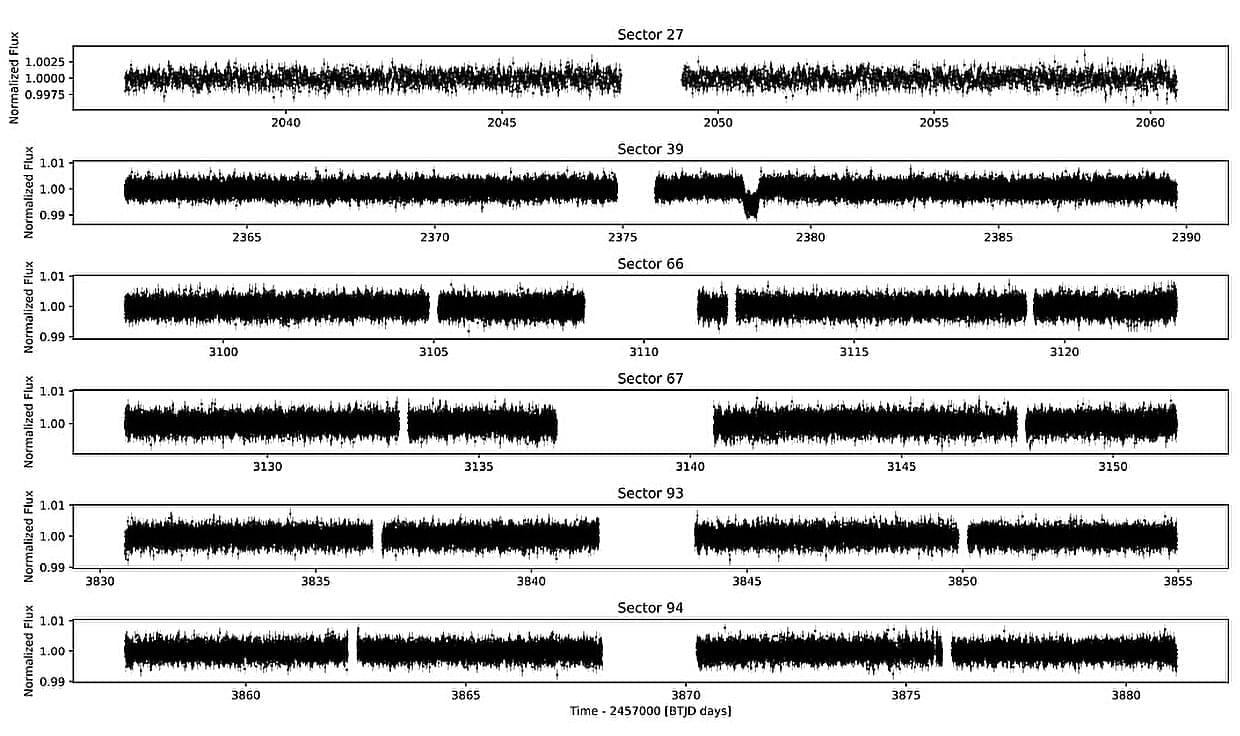
Using NASA’s Transiting Exoplanet Survey Satellite (TESS), an international team of astronomers has discovered a new extrasolar planet transiting a distant star. The newfound alien world, designated TOI-6692 b, is the size of Jupiter and has an orbital period of about 130 days. The discovery was presented in a paper published January 22 on the arXiv pre-print server.
TESS is conducting a survey of about 200,000 bright stars near the sun with the aim of searching for transiting exoplanets. To date, more than 7,800 potential planets (known as TESS Objects of Interest) have been cataloged using this satellite, with 733 of those discoveries officially verified.
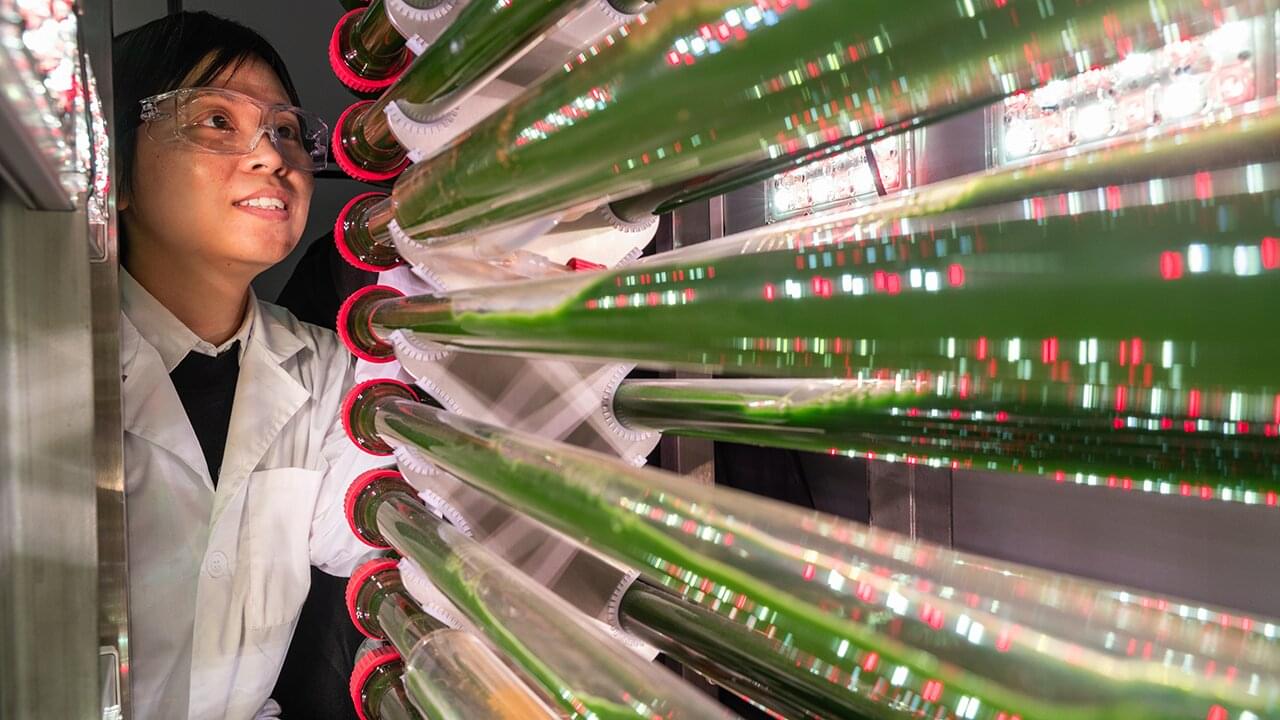
A University of Missouri researcher is pioneering an innovative solution to remove tiny bits of plastic pollution from our water. Mizzou’s Susie Dai recently applied a revolutionary strain of algae toward capturing and removing harmful microplastics from polluted water. Driven by a mission to improve the world for both wildlife and humans, Dai also aims to repurpose the collected microplastics into safe, bioplastic products such as composite plastic films.
“Microplastics are pollutants found almost everywhere in the environment, such as in ponds, lakes, rivers, wastewater and the fish that we consume,” Dai, a professor in the College of Engineering and principal investigator at the Bond Life Sciences Center, said. “Currently, most wastewater treatment plants can only remove large particles of plastic, but microplastics are so small that they slip through and end up in drinking water, polluting the environment and harming ecosystems.”
The findings are published in the journal Nature Communications.
A large, decades-long population study suggests that the relationship between diet and dementia may hinge on subtle chemical differences in everyday foods and water.
Next, the study’s authors will examine whether more ZEVs are associated with fewer asthma-related hospitalizations and emergency room visits.
Their work adds to the extensive research on whether EVs are better for the planet long-term than their gas-powered counterparts. Despite imperfections such as mining, the findings are clear on that front. The USC team is showing that when it comes to the air we breathe and public health, the benefits of EVs are undeniable.
“These findings show that cleaner air isn’t just a theory—it’s already happening in communities across California,” declared Sandrah Eckel, the study’s lead author.
Transparent electrodes transmit light while conducting electricity and are increasingly important in bioelectronic and optoelectronic devices. Their combination of high optical transparency, low electrical resistance, and mechanical flexibility makes them well suited for applications such as displays, solar cells, and wearable or implantable technologies.
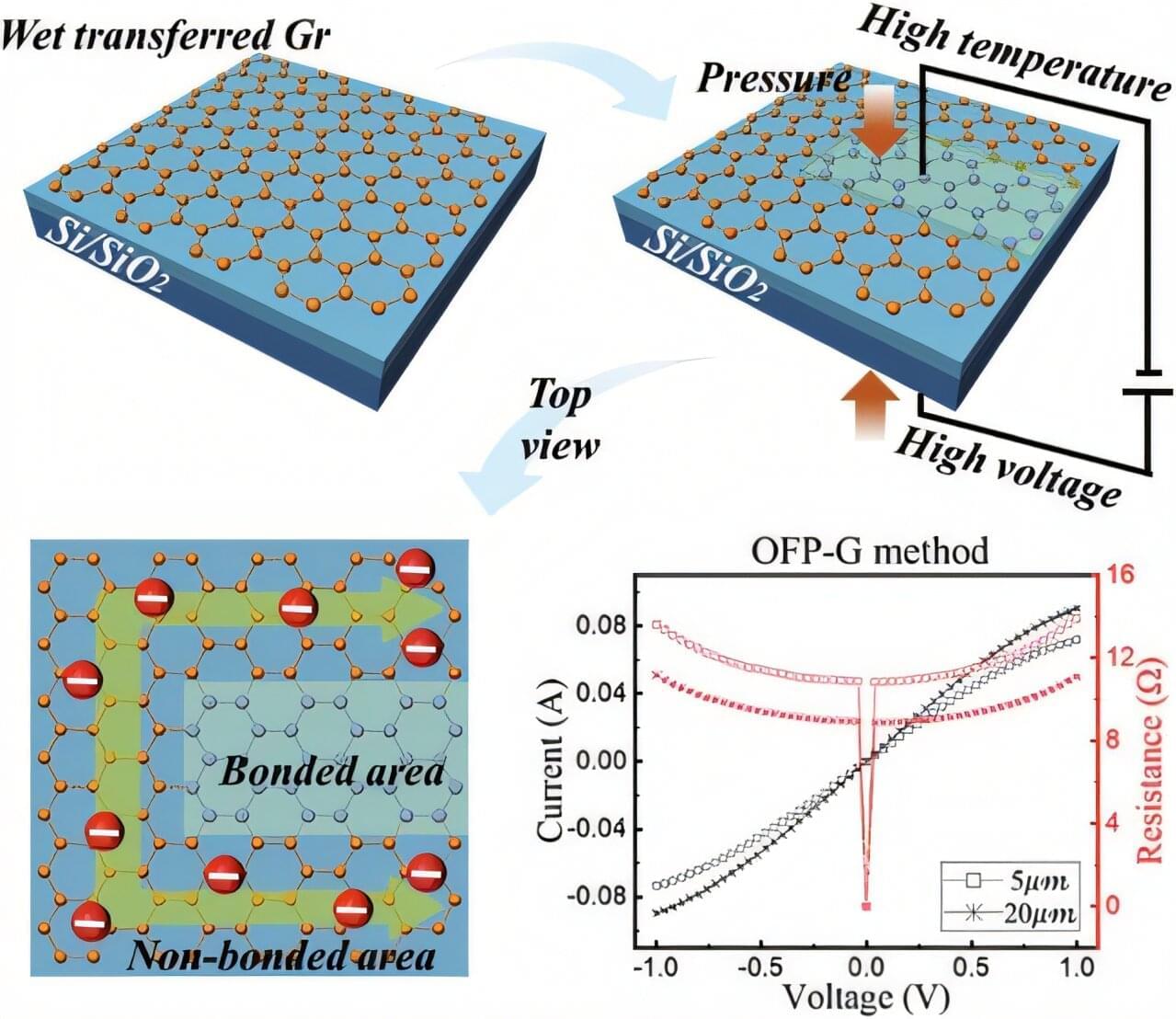
In a significant advancement, researchers led by Professor Wonsuk Jung at Chungnam National University in the Republic of Korea have introduced a new fabrication technique called one-step free patterning of graphene, or OFP-G, which enables high-resolution patterning of large-area monolayer graphene with feature sizes smaller than 5 micrometers, without the use of photoresists or chemical etching.
Published Microsystems & Nanoengineering, the method addresses a key limitation of conventional microelectrode fabrication, where lithographic processes often damage graphene and degrade its electrical performance.
New cadets. New era. Infinite possibilities. Catch a new episode of Star Trek: Starfleet Academy every Thursday starting Jan. 15th on Paramount+.
Can quantum tunneling occur at macroscopic scales? Neil deGrasse Tyson and comedian Chuck Nice sit down with John Martinis, UCSB physicist and 2025 Nobel Prize winner in Physics, to explore superconductivity, quantum tunneling, and what this means for the future of quantum computing.
What exactly is macroscopic quantum tunneling, and why did it take decades for its importance to be recognized? We’ve had electrical circuits forever, so what did Martinis discover that no one else saw? If quantum mechanics usually governs tiny particles, why does a superconducting circuit obey the same rules? And what does superconductivity really mean at a quantum level?
How can a system cross an energy barrier it doesn’t have the energy to overcome? What is actually tunneling in a superconducting wire, and what does it mean to tunnel out of superconductivity? We break down Josephson Junctions, Cooper pairs, and other superconducting lingo. Does tunneling happen instantly, or does it take time? And what does that say about wavefunction collapse and our assumptions about instantaneous quantum effects?
Learn what a qubit is and why macroscopic quantum effects are important for quantum computing. Why don’t quantum computers instantly break all encryption? How close are we to that reality, and what replaces today’s cryptography when it happens? Is quantum supremacy a scientific milestone, a geopolitical signal, or both? Plus, we take cosmic queries from our audience: should quantum computing be regulated like nuclear energy? Will qubits ever be stable enough for everyday use? Will quantum computers live in your pocket or on the dark side of the Moon? Can quantum computing supercharge AI, accelerate discovery, or even simulate reality itself? And finally: if we live in a simulation, would it have to be quantum all the way down?
Thanks to our Patrons Fran Rew, Shawn Martin, Kyland Holmes, Samantha McCarroll-Hyne, camille wilson, Bryan, Sammi, Denis Alberti, Csharp111, stephanie woods, Mark Claassen, Joan Tarshis, Abby Powell, Zachary Koelling, JWC, Reese, Fran Ochoa, Bert Berrevoets, Barely A Float Farm, Vasant Shankarling, Michael Rodriguez, DiDTim, Ian Cochrane, Brendan, William Heissenberg Ⅲ, Carl Poole, Ryan McGee, Sean Fullard, Our Story Series, dennis van halderen, Ann Svenson, mi ti, Lawrence Cottone, 123, Patrick Avelino, Daniel Arvay, Bert ten Kate, Kristian Rahbek, Robert Wade, Raul Contreras, Thomas Pring, John, S S, SKiTz0721, Joey, Merhawi Gherezghier, Curtis Lee Zeitelhack, Linda Morris, Samantha Conte, Troy Nethery, Russ Hill, Kathy Woida, Milimber, Nathan Craver, Taylor Anderson, Deland Steedman, Emily Lennox, Daniel Lopez,., DanPeth, Gary, Tony Springer, Kathryn Rhind, jMartin, Isabella Troy Brazoban, Kevin Hobstetter, Linda Pepper, 1701cara, Isaac H, Jonathan Morton, JP, טל אחיטוב Tal Achituv, J. Andrew Medina, Erin Wasser, Evelina Airapetova, Salim Taleb, Logan Sinnett, Catherine Omeara, Andrew Shaw, Lee Senseman, Peter Mattingly, Nick Nordberg, Sam Giffin, LOWERCASEGUY, JoricGaming, Jeffrey Botkin, Ronald Hutchison, and suzie2shoez for supporting us this week.