Toggle light / dark theme

Get the latest international news and world events from around the world.

Log in for authorized contributors

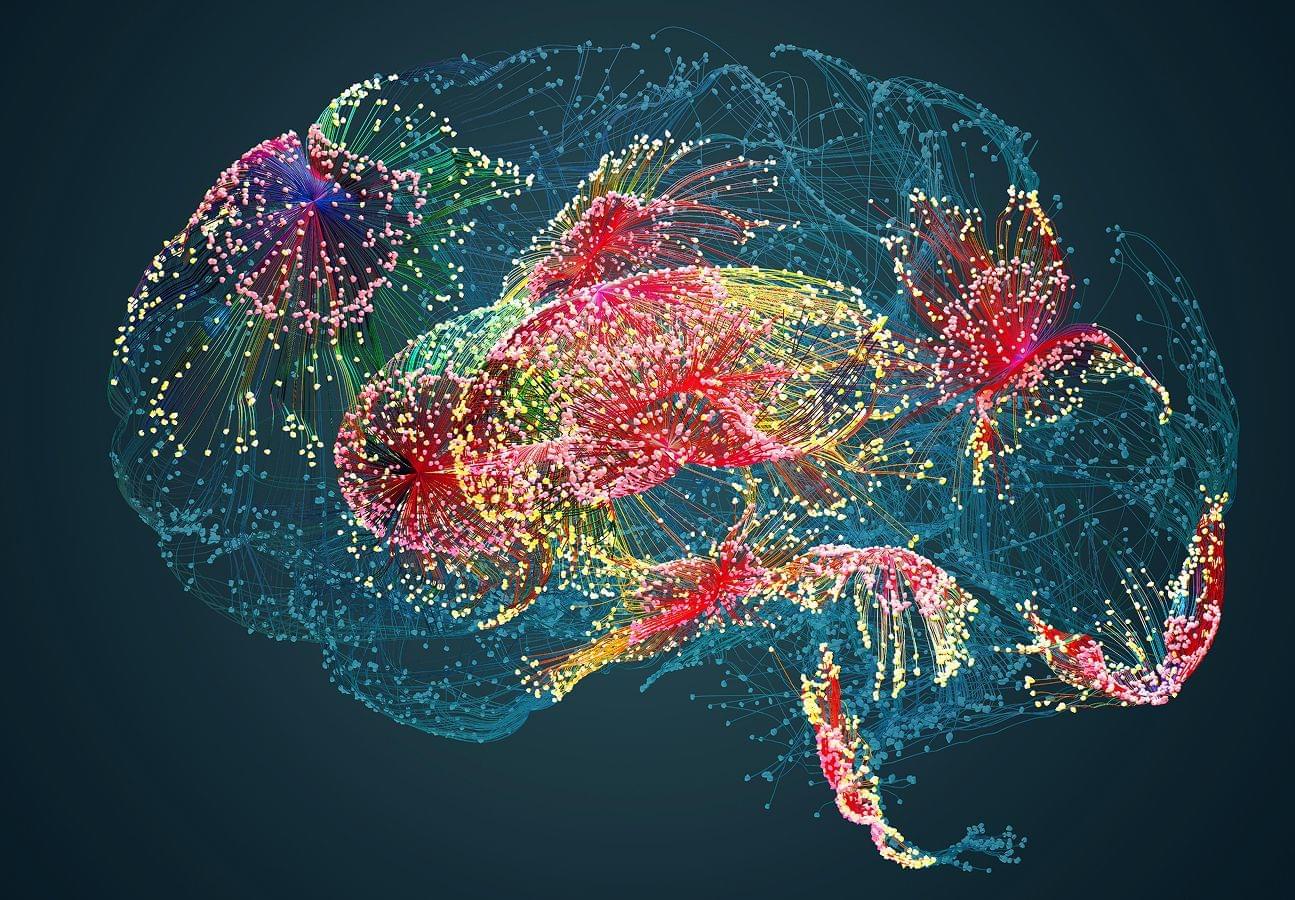
A foundation model of vision, audition, and language for in-silico neuroscience

‘The present results strengthen the possibility of a paradigm shift in neuroscience… moving from the fragmented mapping of isolated cognitive tasks toward the use of unified, predictive foundation models of brain and cognitive functions By aligning the representations of Al systems to those of the human brain, we demonstrate that a single architecture can integrate a vast range of fMRI responses across hundreds of individuals, extending the framework that led the 2025 Algonauts competition. The observed log-linear scaling of encoding accuracy mirroring power laws in both artificial intelligence and neuroscience suggests that the ceiling for predicting human brain activity is yet to be reached.’


Cognitive neuroscience is fragmented into specialized models, each tailored to specific experimental paradigms, hence preventing a unified model of cognition in the human brain. Here, we introduce TRIBE v2, a tri-modal (video, audio and language) foundation model capable of predicting human brain activity in a variety of naturalistic and experimental conditions. Leveraging a unified dataset of over 1,000 hours of fMRI across 720 subjects, we demonstrate that our model accurately predicts high-resolution brain responses for novel stimuli, tasks and subjects, superseding traditional linear encoding models, delivering several-fold improvements in accuracy. Critically, TRIBE v2 enables in silico experimentation: tested on seminal visual and neuro-linguistic paradigms, it recovers a variety of results established by decades of empirical research.
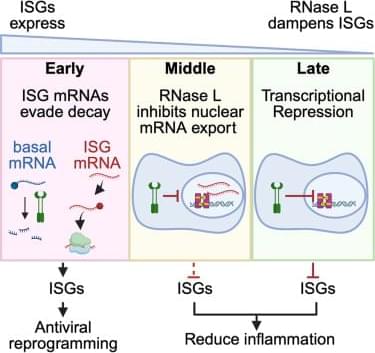
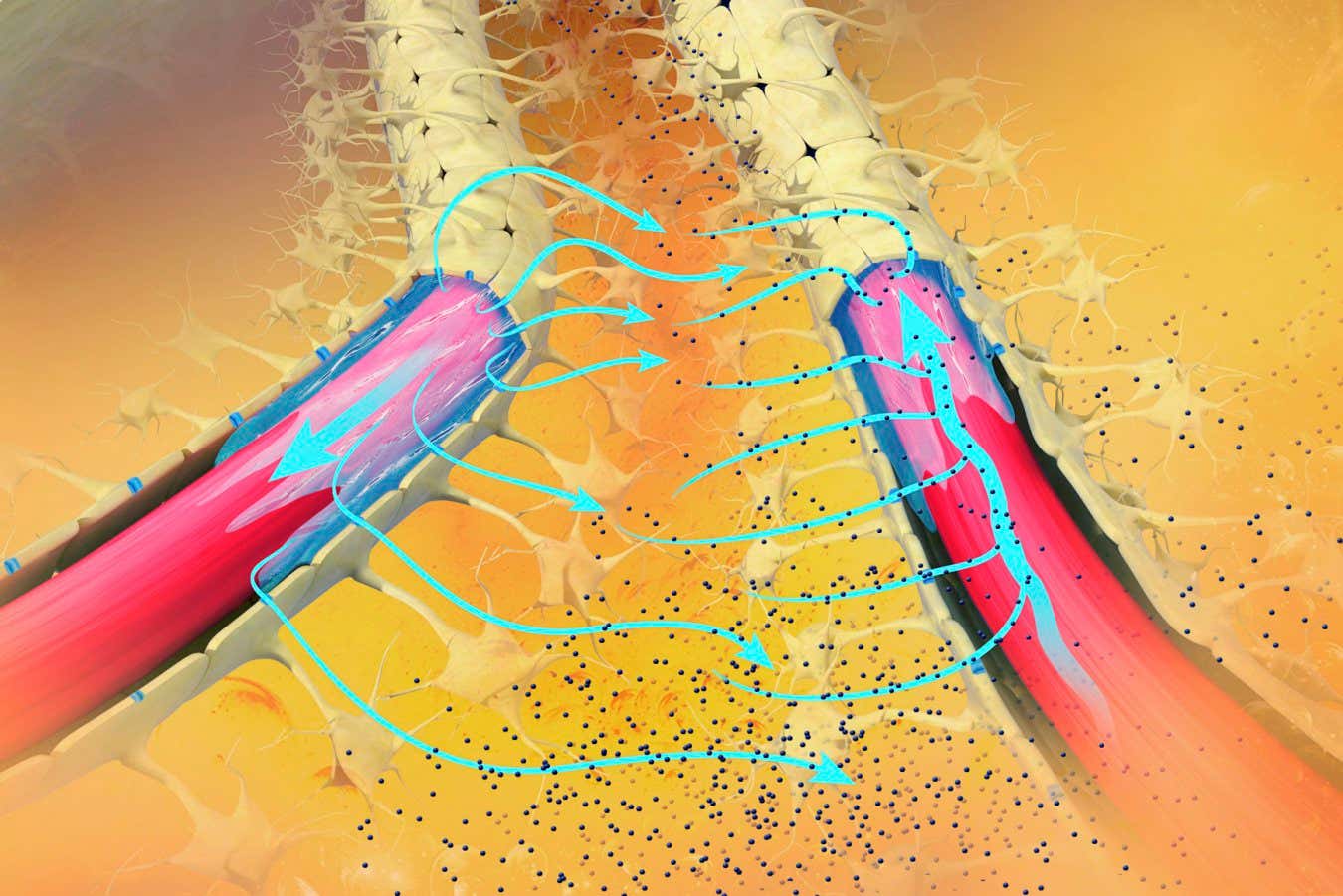
RNase L regulates the antiviral proteome by accelerating mRNA decay, inhibiting nuclear mRNA export, and repressing transcription

Watkins et al. show that RNase L dampens the expression of interferon-stimulated genes by accelerating mRNA decay, inhibiting nuclear mRNA export block, and repressing transcription.

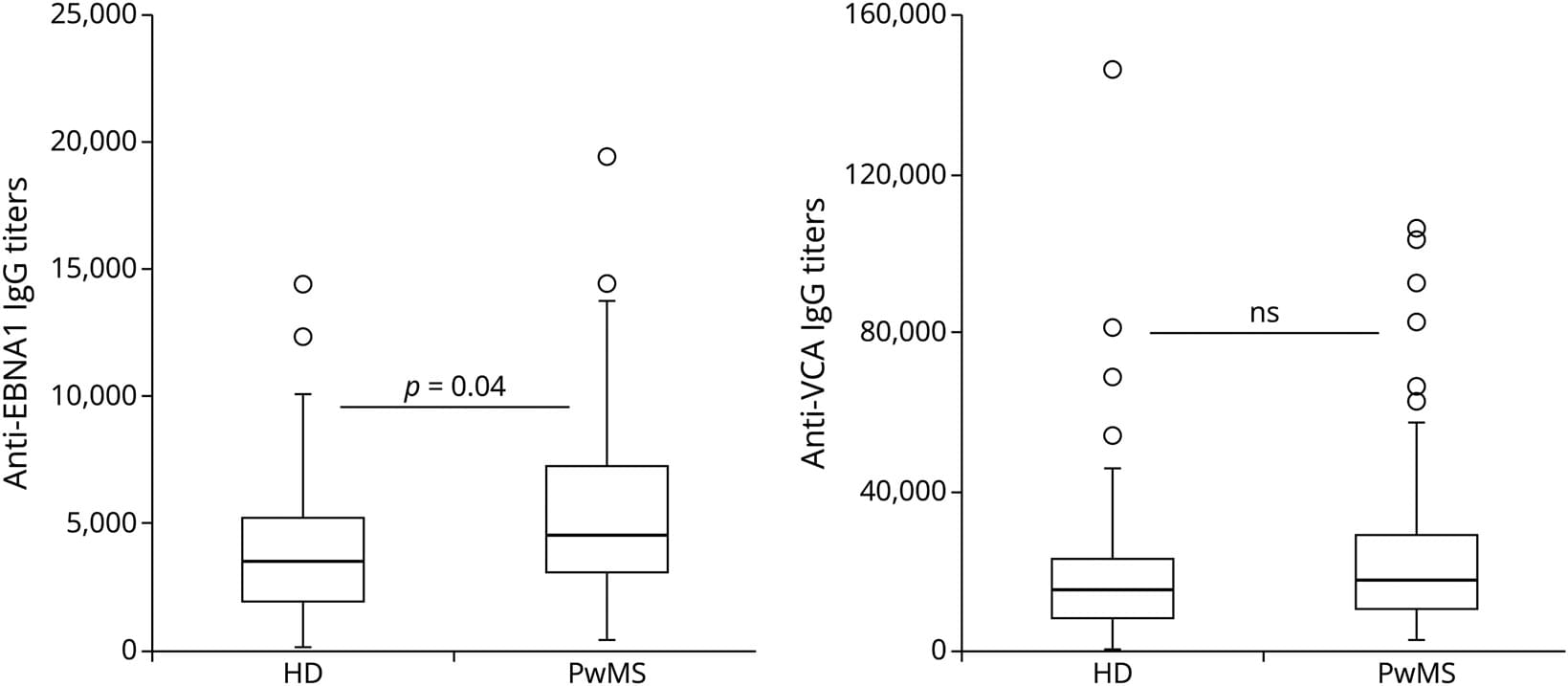
EBV Dysregulation Is Associated With Immune Imbalance in Multiple SclerosisEvidence From Integrated Viral and Host Analyses

EBV dysregulation is associated with immune imbalance in multiple sclerosis: evidence from integrated viral and host analyses.


This website uses a security service to protect against malicious bots. This page is displayed while the website verifies you are not a bot.

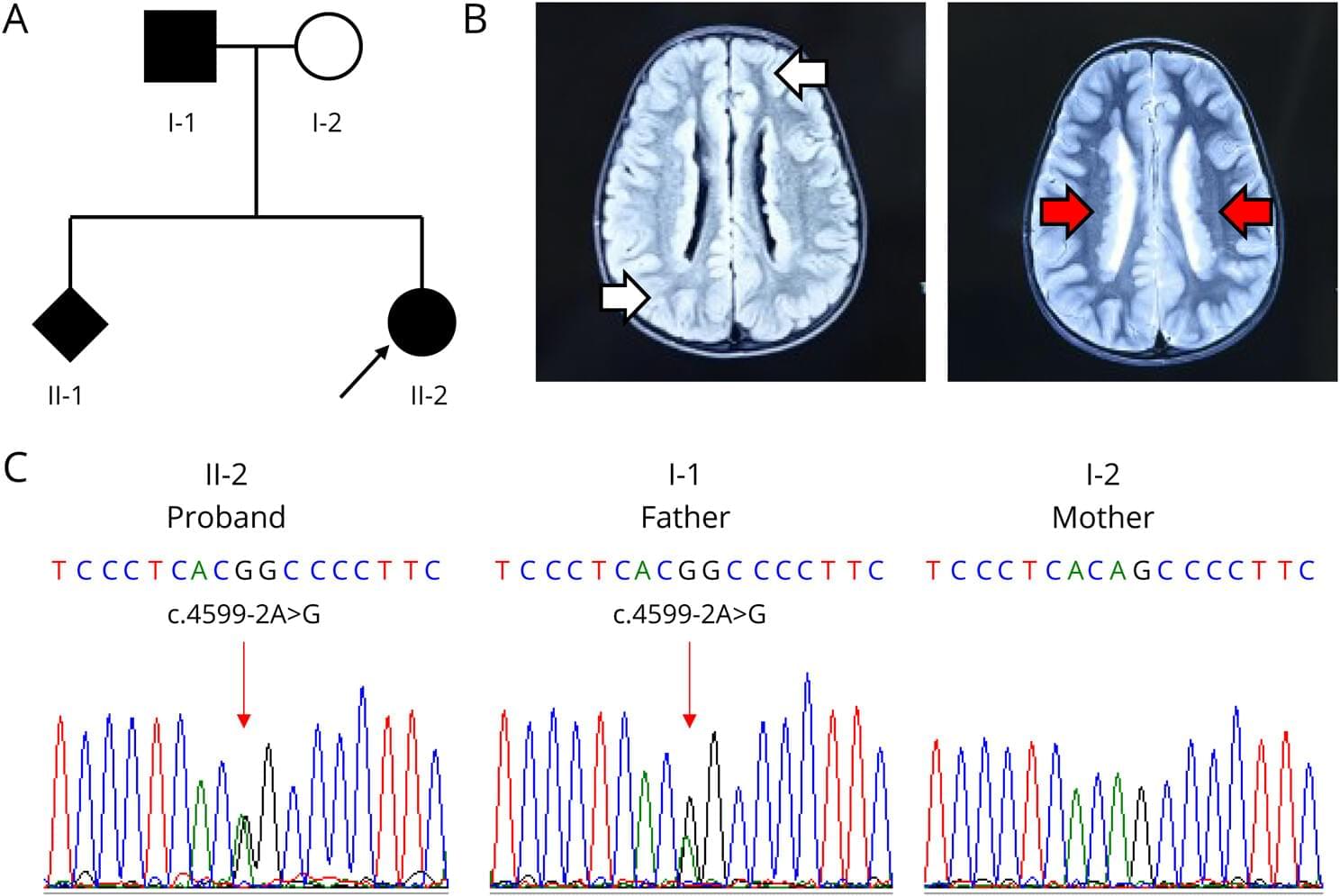
Characterization of a Splice Variant in FLNA Associated With Periventricular Nodular Heterotopia

This study broadens the phenotypic and genetic spectrum of PNH, demonstrating a dual PNH phenotype associated with a bi‑transcript mechanism and mosaic inheritance, including tissue‑specific mosaicism.


PNH is a neurodevelopmental brain malformation characterized by failure of the gray matter to properly migrate to the cerebral cortex during embryonic development. This results in ectopic localization around the ventricular ependyma.1 MRI serves as the primary diagnostic tool, showing bilateral periventricular gray matter nodules with a signal intensity similar to that of normal cortical gray matter.2,3 Its primary clinical manifestation is epilepsy, which is often accompanied by intellectual disabilities and learning difficulties.2,3 PNH is genetically heterogeneous and is linked to variants in multiple genes, including ARFGEF2, ERMARD, NEDD4L, ARF1, and MAP1B, as well as abnormalities in chromosome 5. Among these, pathogenic variants in FLNA are the most common genetic causes.4

FLNA is located at Xq28 and comprises 47 exons,5 encoding a 280 kDa actin binding protein, called filamin A. The N-terminal region contains an actin binding domain (ABD) and a rod-like structure composed of 24 immunoglobulin-like repeats. ABD interacts with actin to stabilize the cytoskeletal architecture and plays crucial roles in maintaining cell shape, migration, and transmitting mechanical force. FLNA regulates cellular migration and extension processes via interactions with several signaling proteins, including small GTPases Rac/Rho, TRAF2, integrins, and BRCA2.6–8 This gene possesses at least 2 transcription initiation sites (ENST00000369850.8 and ENST00000610817.4) that use distinct promoters and demonstrate tissue-specific expression.6–8 Rat FLNA-knockdown models exhibit impaired neuronal migration and elevated epileptic susceptibility.

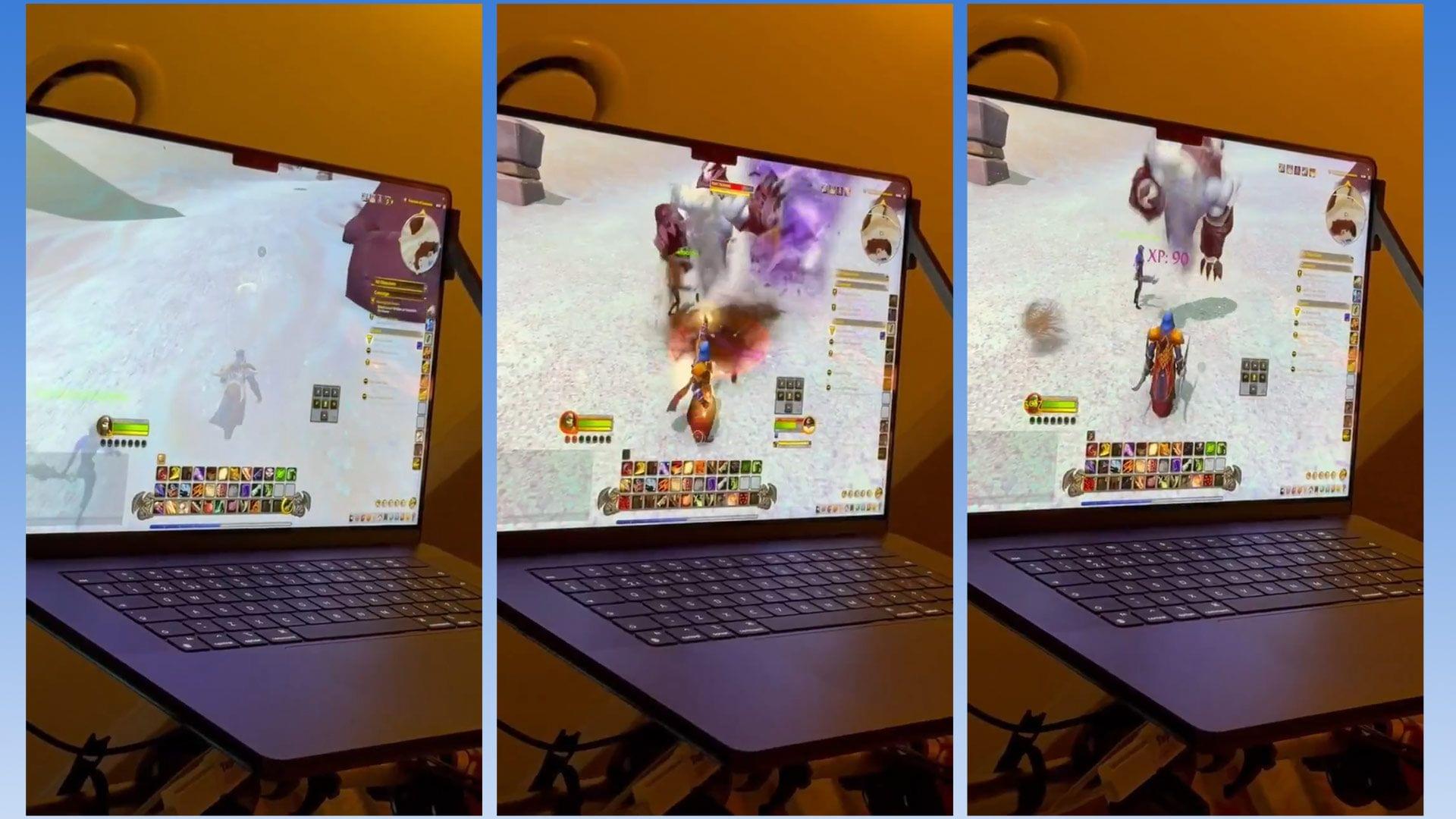
Paralyzed army vet can now play World of Warcraft using ‘science fiction… magic… brilliant…’ Neuralink brain implant — ‘I’m now raiding, and exploring Azeroth hands-free at full speed’

Noble has been paralyzed from the shoulders down since a spinal cord injury in 2016.

The Immortality Thief: How Toxins Shorten Life and How to Fight Back with Glutathione, TPE & Beyond

You are invited to presentations by “The Immortality Thief: How Toxins Shorten Life — and How to Fight Back with Glutathione, TPE & Beyond.” Bill Faloon will also give an update on Age Reversal presentation. — March 26, 2026” Our doors open at 6:00 PM with the main event at 7:00 PM Live in Person AND in Zoom and YouTube Livestream Afterwards, enjoy a 5 star banquet and conversations with members on Health and Super Longevity.

/* */