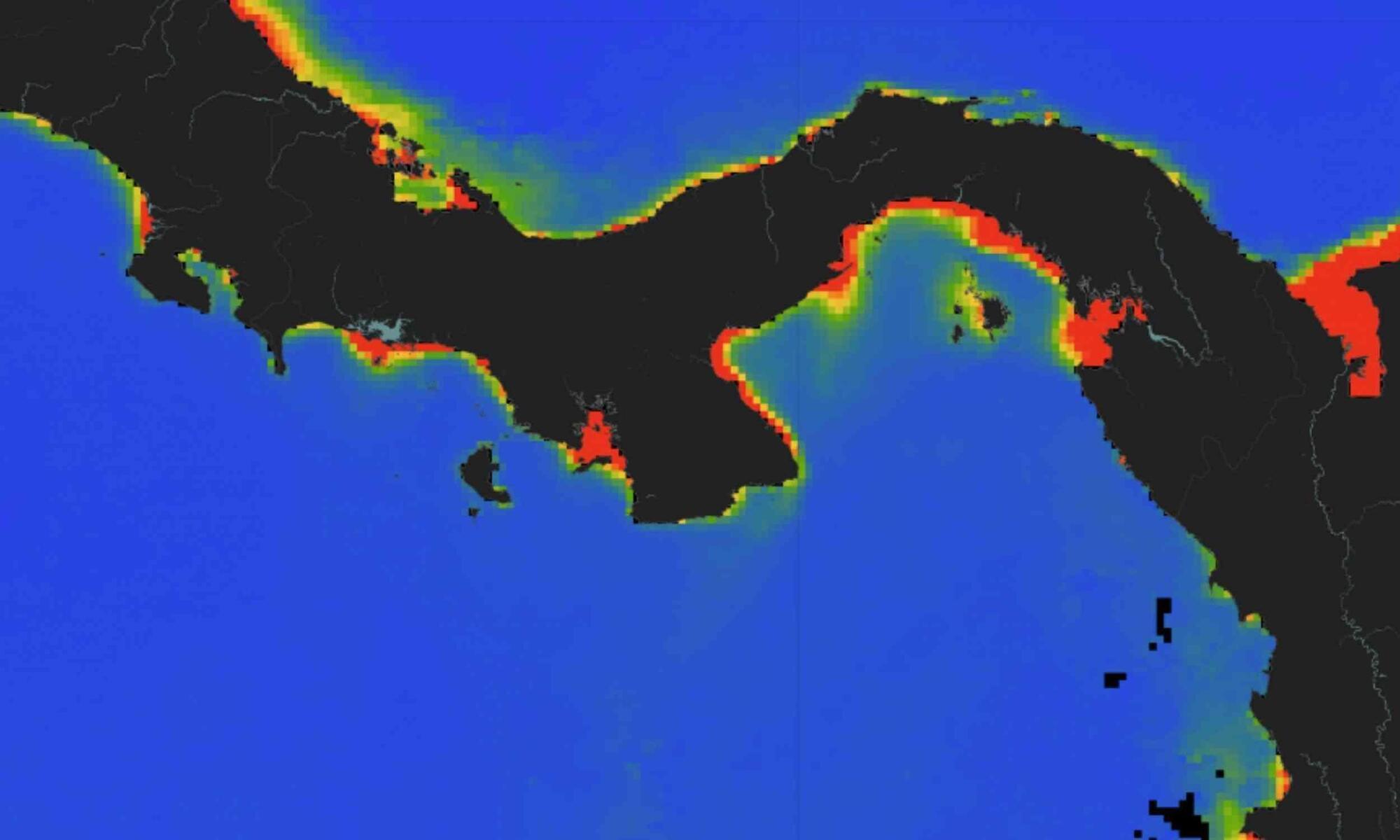
The Gulf of Panama’s seasonal upwelling failed in 2025 for the first time in at least 40 years, breaking a long-standing ocean pattern.
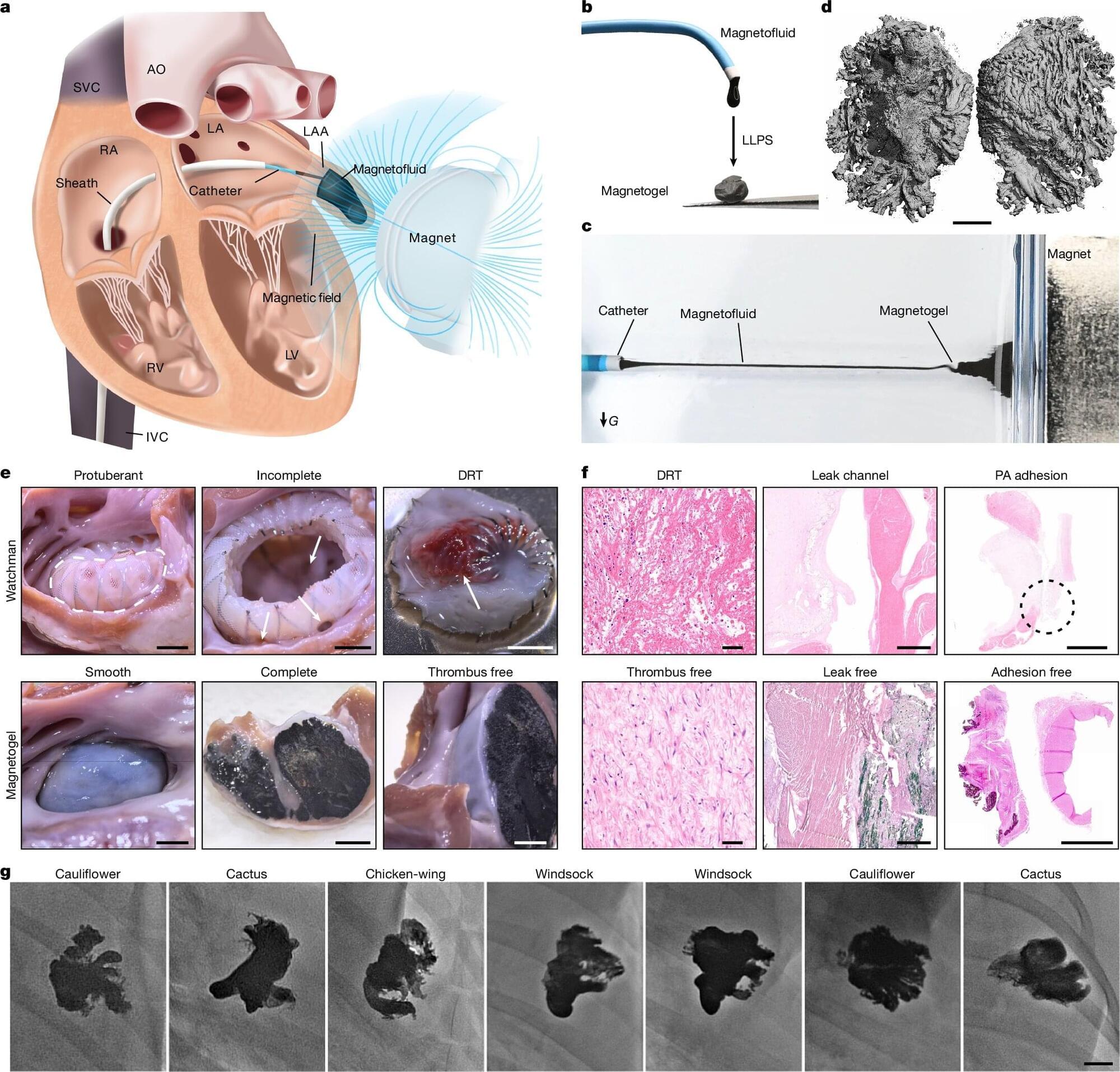
Atrial fibrillation is a common heart condition characterized by a rapid, irregular heartbeat stemming from the heart’s upper chamber. It is a leading cause of stroke from clots that form in a small pouch of the heart called the left atrial appendage (LAA). While several treatment options exist, they have many drawbacks, and risks often remain. But now, researchers have developed a promising new treatment involving magnetic fluids. Their study, published in Nature, describes the new procedure and results from rat and pig studies.
Atrial fibrillation treatment options Blood thinners are a common treatment for atrial fibrillation. However, some patients cannot take them due to an increased risk of bleeding. Another option is closing off the LAA with a device. This is referred to as left atrial appendage occlusion (LAAO). While the devices that are currently available reduce stroke risk, they can leave small leaks and attract clots on or around the device itself. One of these devices is the Watchman occluder—a metallic transcatheter LAAO device.
One reason blocking off the LAA is difficult is that its shape varies from patient to patient, and is often rather odd. Names of these strange and difficult-to-fill shapes include cauliflower, cactus, chicken wing and the most challenging type—the windsock. Some improvements have been made to attempt to fit these shapes better, but issues remain.
Healable spacecraft structures could soon be possible thanks to cutting-edge composite technology. Swiss companies CompPair and CSEM with Belgian company Com&Sens have partnered with the European Space Agency (ESA) to modify their self-healing carbon fiber product for use in space transportation.
Project Cassandra (a loose abbreviation of Composite Autonomous SenSing AnD RepAir) includes sensors and a heating element into a composite carbon-fiber material, allowing spacecraft to autonomously repair initial stages of damage.
Cassandra is part of ESA’s Future Innovation Research in Space Transportation (FIRST!) Initiative which is finding and testing innovative technology that will benefit European space transportation.
In this conversation, Neil deGrasse Tyson and co-host Chuck Nice are joined by physicist Brian Cox to explore one of the deepest open questions in modern physics: whether space and time are fundamental—or emergent.
The discussion spans emergent spacetime, quantum entanglement, black holes, wormholes, and the black hole information paradox, including ideas like ER = EPR, causality protection, and whether information is ever truly destroyed. The core idea centers on the possibility that spacetime itself emerges from deeper quantum information structures, challenging our intuitive understanding of reality.
From ‘Are We The Universe’s Way of Knowing Itself? With Brian Cox’: • Are We The Universe’s Way of Knowing Itsel…
Get the StarTalk book, ‘To Infinity and Beyond: A Journey of Cosmic Discovery’ on Amazon: https://amzn.to/3PL0NFn.
Support us on Patreon: / startalkradio.
FOLLOW or SUBSCRIBE to StarTalk:
Thanks to Radiacode for sponsoring this video. Use the promo code “PBS” to get an exclusive 10% discount at: https://103.radiacode.com/PBS The universe is expanding and that expansion is accelerating under the power of dark energy and eventually all matter and energy will be dispersed over such unthinkable distances that nothing can stop space from blowing up infinitely. Unless of course cosmologists blundered and dark energy doesn’t even exist. Then it’s back to the drawing board. Sign Up on Patreon to get access to the Space Time Discord! / pbsspacetime Check out the Space Time Merch Store https://www.pbsspacetime.com/shop PBS Member Stations rely on viewers like you. To support your local station, go to: http://to.pbs.org/DonateSPACE Sign up for the mailing list to get episode notifications and hear special announcements! https://mailchi.mp/1a6eb8f2717d/space… the Entire Space Time Library Here: https://search.pbsspacetime.com/ Hosted by Matt O’Dowd Written by Matt O’Dowd Post Production by Leonardo Scholzer, Yago Ballarini & Stephanie Faria Directed by Andrew Kornhaber Associate Producer: Bahar Gholipour Executive Producer: Andrew Kornhaber Executive in Charge for PBS: Maribel Lopez Director of Programming for PBS: Gabrielle Ewing Assistant Director of Programming for PBS: John Campbell Spacetime is a production of Kornhaber Brown for PBS Digital Studios. This program is produced by Kornhaber Brown, which is solely responsible for its content. © 2024 PBS. All rights reserved. End Credits Music by J.R.S. Schattenberg:
/ multidroideka Space Time Was Made Possible In Part By: Big Bang Wojciech Szymski Bryce Fort Peter Barrett Alexander Tamas Morgan Hough Juan Benet Vinnie Falco Mark Rosenthal Supernova Grace Biaelcki Glenn Sugden Ethan Cohen Stephen Wilcox Mark Heising Hypernova Spencer Jones Dean Galvin Michael Tidwell Robert DeChellis Stephen Spidle Massimiliano Pala Justin Lloyd Matthew Pabst David Giltinan Kenneth See Gregory Forfa Alex Kern Zubin Dowlaty Scott Gorlick Paul Stehr-Green Ben Delo Scott Gray Антон Кочков Robert Ilardi John R. Slavik Donal Botkin Chuck Zegar Daniel Muzquiz Gamma Ray Burst Bryan White Aaron Pinto Kacper Cieśla Satwik Pani Param Saxena John De Witt Nathaniel Bennett Sandhya Devi Michael Oulvey Arko Provo Mukherjee Mike Purvis Christopher Wade Anthony Crossland Grace Seraph Stephen Saslow Tomaz Lovsin Anthony Leon Lori Ferris Koen Wilde Nicolas Katsantonis Richard Steenbergen Joe Pavlovic Kyle Luzny Chuck Lukaszewski Jerry Thomas Nikhil Sharma John Anderson Bradley Ulis Craig Falls Kane Holbrook Ross Story Harsh Khandhadia Michael Lev Rad Antonov Terje Vold James Trimmier Jeremy Soller Paul Wood Kent Durham jim bartosh John H. Austin, Jr. Faraz Khan Almog Cohen Daniel Jennings Jeremy Reed David Johnston Michael Barton Isaac Suttell Bleys Goodson Mark Delagasse Mark Daniel Cohen Shane Calimlim Tybie Fitzhugh Eric Kiebler Craig Stonaha Frederic Simon Jim Hudson Michael Purcell John Funai Adrien Molyneux Bradley Jenkins Vlad Shipulin Justin Waters Thomas Dougherty Zac Sweers Dan Warren Joseph Salomone Julien Dubois.
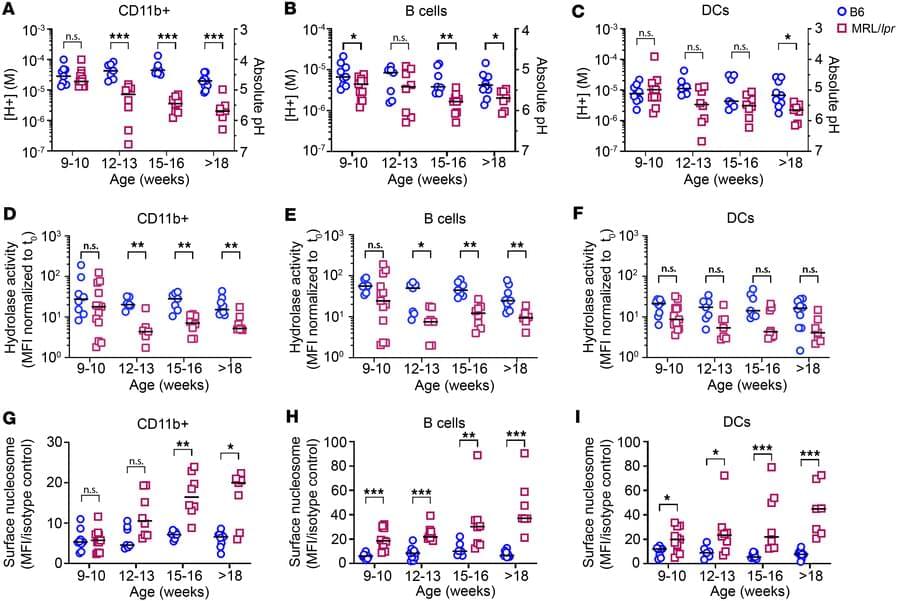
Barbara J. Vilen & team now identify defective late endosomes and lysosomes (LELs) in patients with active lupus and show reduced LEL function promotes SLE through chronic PI3k activity and SHP-1/SHIP-1 defects:
The figure shows bone marrow-derived macrophages from lupus prone mice (MRL/lpr) have decreased recruitment of pSHIP-1Y1022 (green) to the plasma membrane, indicated by cholera toxin-stained lipid rafts (blue), compared with control mice (B6).
1Department of Microbiology and Immunology and.
2Division of Rheumatology, Allergy, and Immunology, Thurston Arthritis Research Center, University of North Carolina, Chapel Hill, North Carolina, USA.
3Division of Rheumatology and Immunology, Duke University Medical Center, Durham, North Carolina, USA.
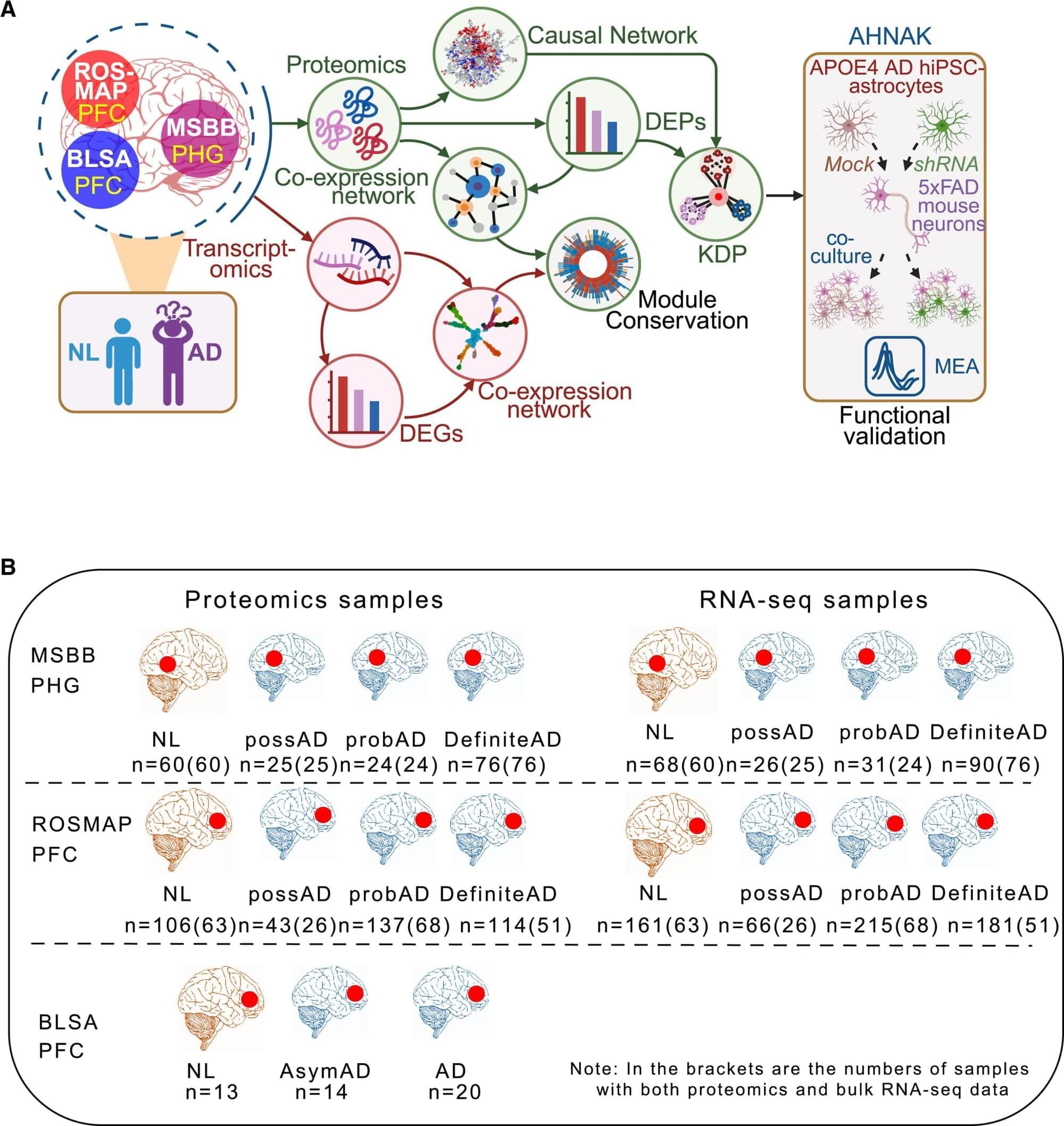
Neurodegenerative diseases form a tangled biological web with overlapping molecular signatures and symptoms. To decode this complexity, a multi-institute collaboration led by St. Jude Children’s Research Hospital scientists developed the pan-neurodegeneration atlas (PanNDA). The atlas is a comprehensive survey of neurodegenerative disease “proteomes” containing information about protein levels, modifications, and interactions. This resource, published today in Cell, provides a wide-ranging protein-based outlook to better understand the origins of neurodegenerative diseases and to aid in their diagnosis and treatment.
Neurodegenerative diseases often stem from protein misfolding or accumulation. These errors also disrupt binding partners, upstream and downstream effectors, and any connected pathways. By combining multiple proteomic strategies, co-corresponding authors Junmin Peng, Ph.D., St. Jude Departments of Structural Biology and Developmental Neurobiology, and Bin Zhang, Ph.D., Department of Genetics and Genomic Sciences at the Icahn School of Medicine at Mount Sinai, created PanNDA to understand and explore this network and how it is disrupted in these diseases.
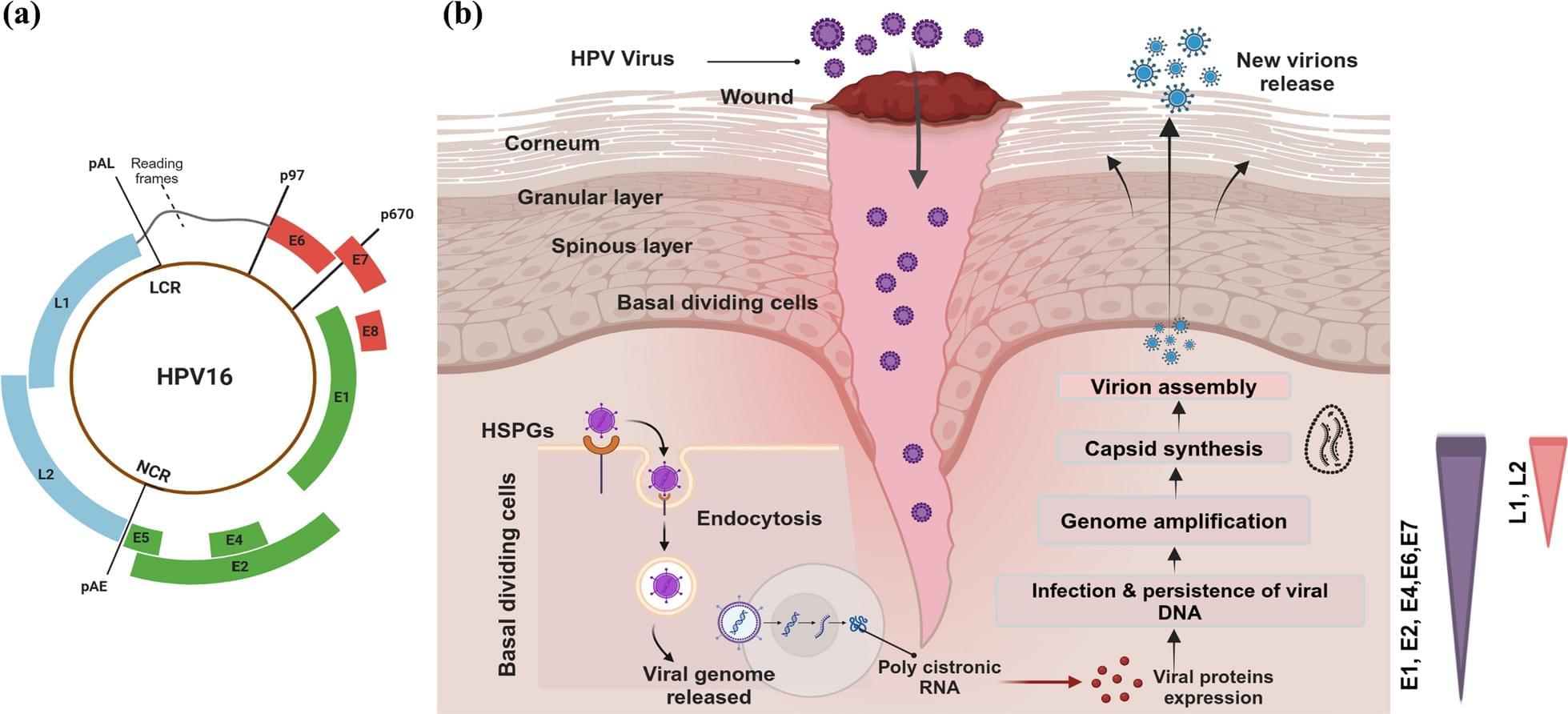
Human papillomavirus (HPV), a DNA virus, is a well-documented causative agent of several cancers, including cervical, vulvar, vaginal, penile, anal, and head & neck cancers. Major factors contributing to HPV-related cancers include persistent infection and the oncogenic potential of particular HPV genotypes. High-risk HPV strains, particularly HPV-16 and HPV-18, are responsible for over 70% of cervical cancer cases worldwide, as well as a significant proportion of other genital and head and neck cancers. At the molecular level, the oncogenic activity of these viruses is driven by the overexpression of E6 and E7 oncoproteins. These oncoproteins dysregulate the cell cycle, inhibit apoptosis, and promote the accumulation of DNA damage, ultimately transforming normal cells into cancerous ones. This review aims to provide a comprehensive overview of the recent advances in HPV-related cancer biology and epidemiology. The review highlights the molecular pathways of HPV-driven carcinogenesis, focusing on the role of viral oncoproteins in altering host cell targets and disrupting cellular signalling pathways. The review explores the therapeutic potential of these viral proteins, and discusses current diagnostic and treatment strategies for HPV-associated cancers. Furthermore, the review highlights the critical role of HPV in the development of various malignancies, emphasizing the persistent challenges in combating these cancers despite advancements in vaccination and therapeutic strategies. We also emphasize recent breakthroughs in utilizing biomarkers to monitor cancer therapy responses, such as mRNAs, miRNAs, lncRNAs, proteins, and genetic markers. We hope this review will serve as a valuable resource for researchers working on HPV, providing insights that can guide future investigations into this complex virus, which continues to be a major contributor to global morbidity and mortality.
This interview is an episode from The Well, our publication about ideas that inspire a life well-lived, created with the John Templeton Foundation.
Watch Seager’s next interview ► What if intelligent life exists, but we can’t recognize it? • What if intelligent life exists, but we ca…
Sara Seager, a planetary scientist, astrophysicist, and leading researcher in the search for life beyond Earth, examines how discovering life elsewhere would represent a Copernican-level shift in human understanding.
Research into Mars, Venus, and the icy moons of Jupiter and Saturn has revealed complex molecules and liquid environments that could support life. Independent origins of life would imply that the galaxy is rich with living individuals, challenging long-held cultural, religious, and philosophical assumptions. The acceptance of major scientific discoveries — and the unexpected practical contributions to pure science — impact how the search for extraterrestrial life may benefit society over time.
Read the video transcript ► https://bigthink.com/the-well/are-we–…
About Sara Seager:
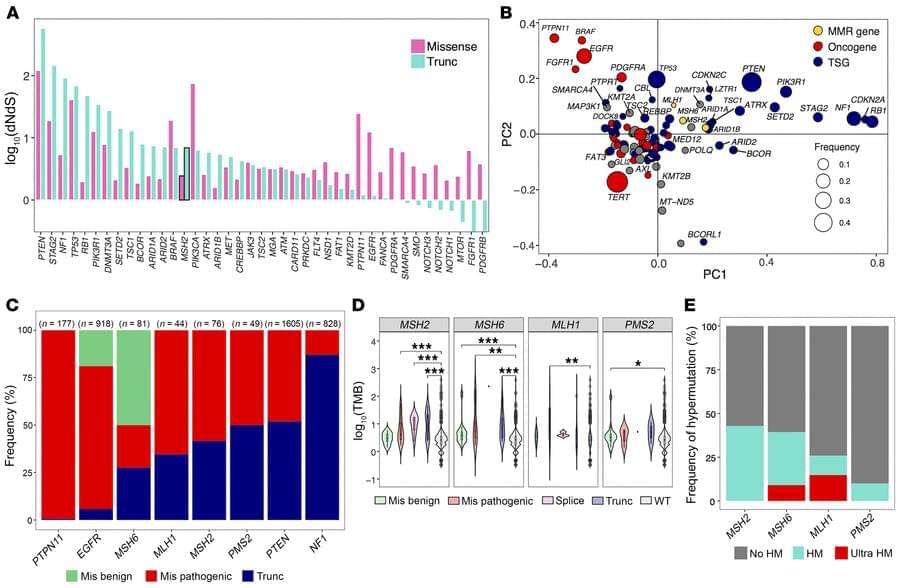
https://doi.org/10.1172/JCI195189 Dolores Hambardzumyan & team develop mouse models of germline and somatic MMR-deficient high-grade gliomas, finding a role for MMR genes in tumor growth and temozolomide resistance, and presenting KL-50 as a therapeutic avenue.
The figure demonstrates a potent anti-tumor effect from KL-50 treatment in glioblastoma models.
1Departments of Oncological Sciences and Neurosurgery, The Tisch Cancer Institute and.
2Department of Genetics and Genomic Sciences, Icahn School of Medicine at Mount Sinai, New York, New York, USA.
3Departments of Systems Biology and Biomedical Informatics, Columbia University, New York, New York, USA.