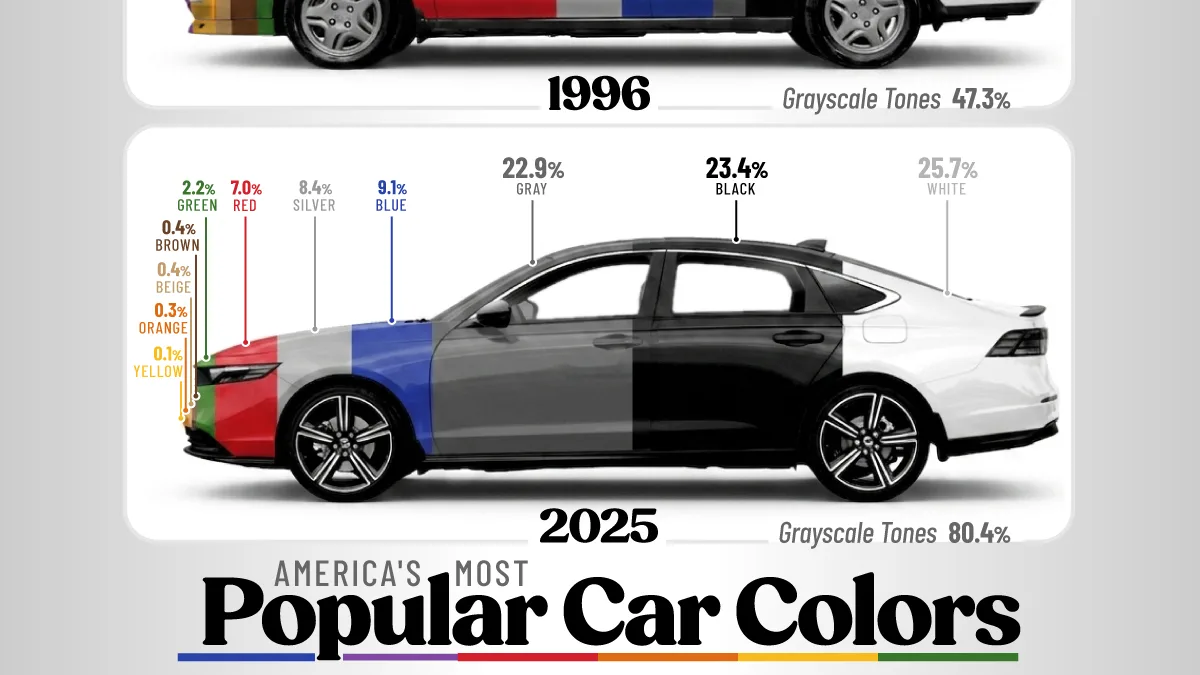
See the most popular car colors in America in 2025 and how preferences have shifted since 1996.

🛰️ Kinéis + Netmore Make Hybrid Satellite Connectivity Plug-and-Play.
Netmore has integrated Kinéis’ European satellite constellation into its LPWAN platform, delivering seamless hybrid terrestrial-satellite IoT connectivity.
The key advantage: No custom hardware engineering required. Customers can deploy hybrid connectivity immediately through the existing platform, with automatic switching between LoRaWAN and satellite.
This removes the traditional barrier that kept satellite connectivity out of reach for most industrial operators. Market projection: Hybrid IoT connectivity is expected to grow from $8.6B in 2025 to $89.4B by 2034.
🔗 Full analysis:
#SatelliteIoT #HybridConnectivity #IIoT

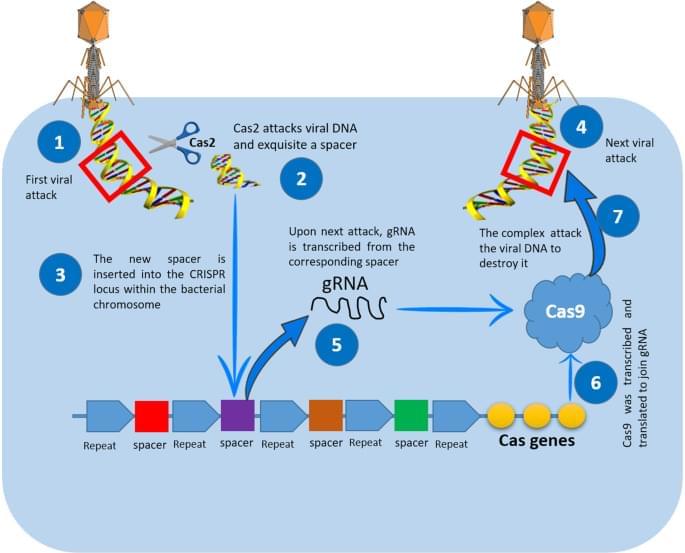
CRISPR/Cas9 has revolutionized genome-editing techniques in various biological fields including human cancer research. Cancer is a multi-step process that encompasses the accumulation of mutations that result in the hallmark of the malignant state. The goal of cancer research is to identify these mutations and correlate them with the underlying tumorigenic process. Using CRISPR/Cas9 tool, specific mutations responsible for cancer initiation and/or progression could be corrected at least in animal models as a first step towards translational applications. In the present article, we review various novel strategies that employed CRISPR/Cas9 to treat breast cancer in both in vitro and in vivo systems.
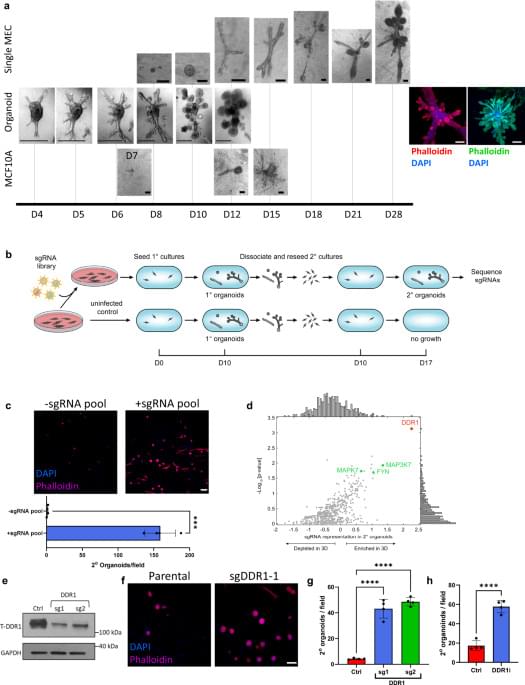
Breast tissue regeneration is driven by cell-matrix interactions coordinating multi-lineage stem cell differentiation through DDR1.
Mammary morphogenesis is a complex process. Here the authors describe how stem cells build a three-dimensional self-organizing multi-lineage tissue by showing that positional signals from the extracellular matrix through the collagen receptor DDR1 lead stem cells to differentiate into multi-lineage committed multi-layered progeny.

Erectile dysfunction affects over 40% of men over 40, yet our understanding of the condition remains limited. Research on this issue has mostly relied on real organs, making it difficult to study the detailed interaction between blood flow and tissue during an erection.
In a recent study published in Nature Biomedical Engineering, a team of scientists from China, Japan and the U.S. presented a 3D printed hydrogel-based penile model complete with essential blood vessels to mimic the natural function of a penis.
Once implanted into rabbits and pigs with penile deformities, the bioengineered organ enabled them to mate and reproduce within weeks.
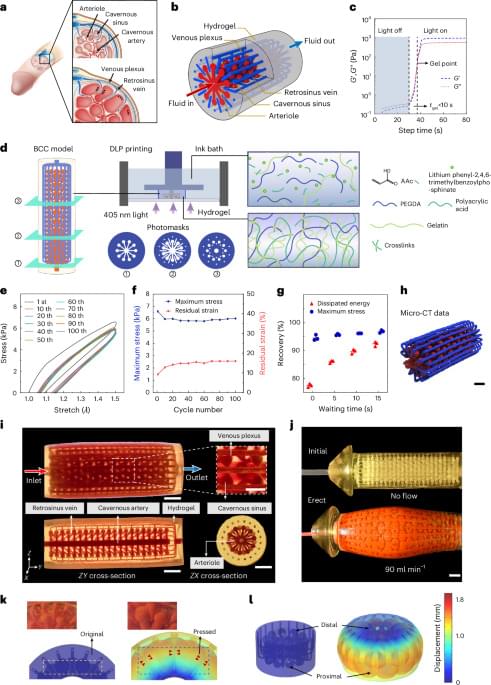

ED affects more than 40 per cent of men aged 40 and above. The team of researchers used hydrogel-based bioinks to develop a 3D-printed penile implant system able to anatomically replicate all functional components of natural erectile tissue.
The animal subjects – pigs and rabbits – exhibited restored erectile capacity post-implantation, with reproductive success rates surging from 25 per cent in the control group to 100 per cent in the treatment group, the team said.
Details of the landmark study were published in Nature Biomedical Engineering on March 4.
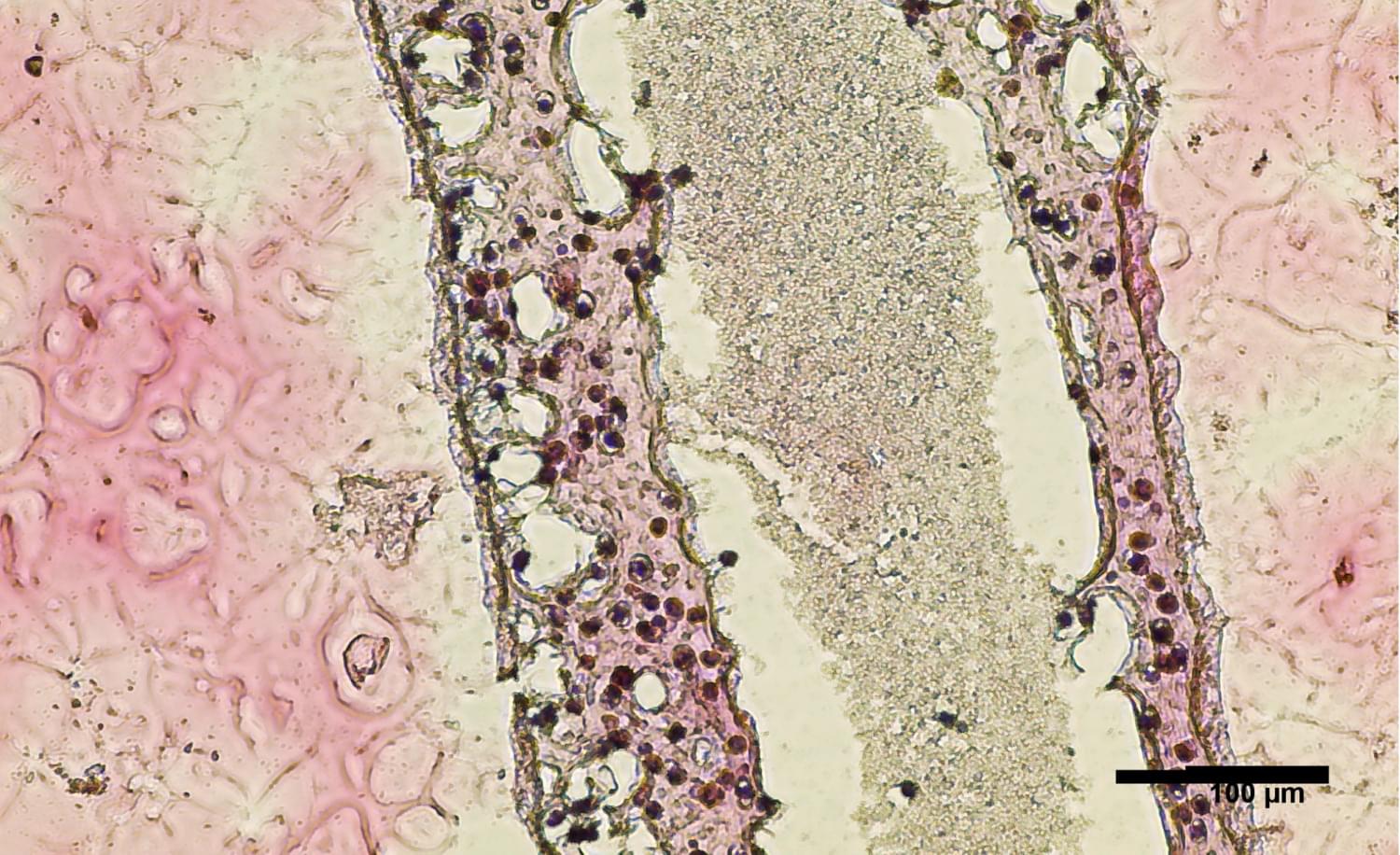
In a pair of world firsts, UBC scientists have 3D printed human testicular cells and identified promising early signs of sperm-producing capabilities.
The researchers, led by UBC urology assistant professor Dr. Ryan Flannigan, hope the technique will one day offer a solution for people living with presently untreatable forms of male infertility.
“Infertility affects 15 per cent of couples and male factors are a contributing cause in at least half those cases,” said Dr. Flannigan, whose lab is based at the Vancouver Prostate Centre at Vancouver General Hospital.
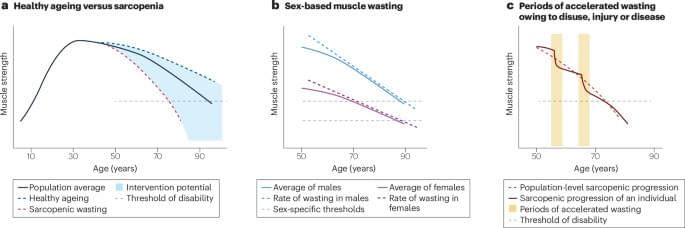
There are currently no approved therapies for sarcopenia, the age-related loss of skeletal muscle mass and strength. This Review discusses advances in understanding of the cellular, molecular and metabolic mechanisms driving muscle wasting with ageing, while assessing emerging therapeutic approaches and agents in development.