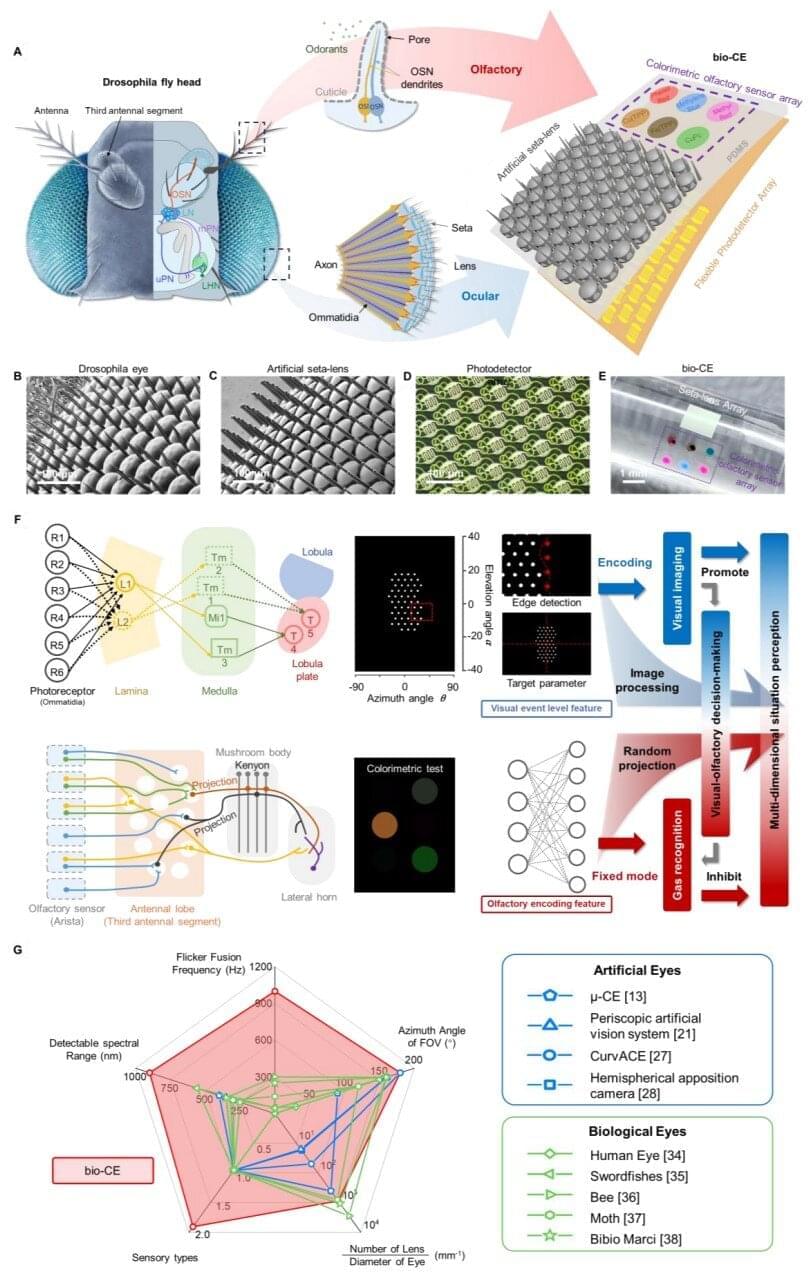
The compound eyes of the humble fruit fly are a marvel of nature. They are wide-angle and can process visual information several times faster than the human eye. Inspired by this biological masterpiece, researchers at the Chinese Academy of Sciences have developed an insect-scale compound eye that can both see and smell, potentially improving how drones and robots navigate complex environments and avoid obstacles.
Traditional cameras on robots and drones may excel at capturing high-definition photos, but struggle with a narrow field of view and limited peripheral vision. They also tend to be bulky and power-hungry.
What does it take to turn bold ideas into life-saving medicine?
In this episode of The Big Question, we sit down with @MIT’s Dr. Robert Langer, one of the founding figures of bioengineering and among the most cited scientists in the world, to explore how engineering has reshaped modern healthcare. From early failures and rejected grants to breakthroughs that changed medicine, Langer reflects on a career built around persistence and problem-solving. His work helped lay the foundation for technologies that deliver large biological molecules, like proteins and RNA, into the body, a challenge once thought impossible. Those advances now underpin everything from targeted cancer therapies to the mRNA vaccines that transformed the COVID-19 response.
The conversation looks forward as well as back, diving into the future of medicine through engineered solutions such as artificial skin for burn victims, FDA-approved synthetic blood vessels, and organs-on-chips that mimic human biology to speed up drug testing while reducing reliance on animal models. Langer explains how nanoparticles safely carry genetic instructions into cells, how mRNA vaccines train the immune system without altering DNA, and why engineering delivery, getting the right treatment to the right place in the body, remains one of medicine’s biggest challenges. From personalized cancer vaccines to tissue engineering and rapid drug development, this episode reveals how science, persistence, and engineering come together to push the boundaries of what medicine can do next.
Chapters: 00:00 Engineering the Future of Medicine. 01:55 Failure, Persistence, and Scientific Breakthroughs. 05:30 From Chemical Engineering to Patient Care. 08:40 Solving the Drug Delivery Problem. 11:20 Delivering Proteins, RNA, and DNA 14:10 The Origins of mRNA Technology. 17:30 How mRNA Vaccines Work. 20:40 Speed and Scale in Vaccine Development. 23:30 What mRNA Makes Possible Next. 26:10 Trust, Misinformation, and Vaccine Science. 28:50 Engineering Tissues and Organs. 31:20 Artificial Skin and Synthetic Blood Vessels. 33:40 Organs on Chips and Drug Testing. 36:10 Why Science Always Moves Forward.
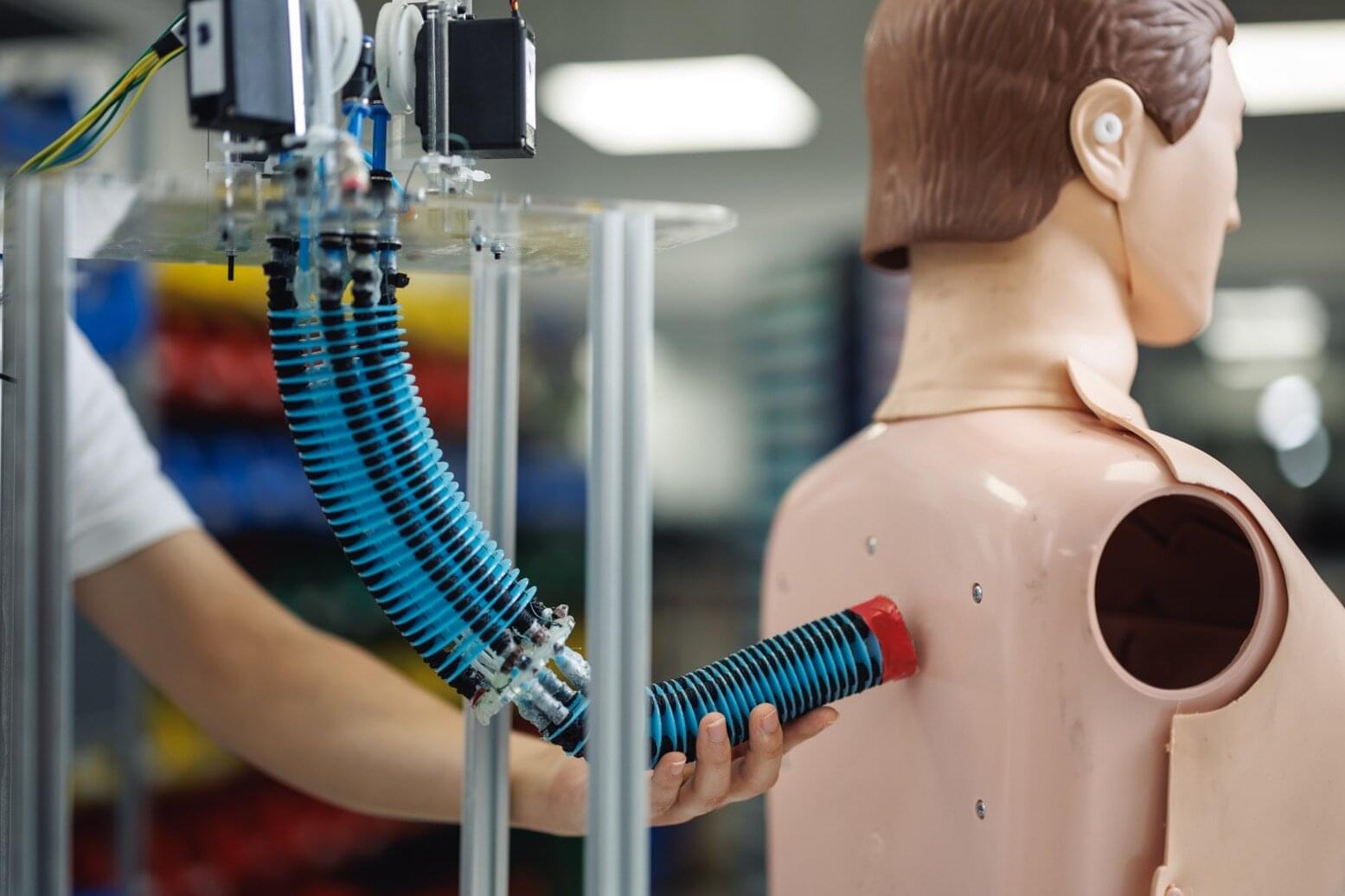
Researchers have developed an AI control system that enables soft robotic arms to learn a wide repertoire of motions and tasks once, then adjust to new scenarios on the fly without needing retraining or sacrificing functionality. This breakthrough brings soft robotics closer to human-like adaptability for real-world applications, such as in assistive robotics, rehabilitation robots, and wearable or medical soft robots, by making them more intelligent, versatile, and safe. The research team includes Singapore-MIT Alliance for Research and Technology’s (SMART) Mens, Manus & Machina (M3S) interdisciplinary research group, and National University of Singapore (NUS), alongside collaborators from Massachusetts Institute of Technology (MIT) and Nanyang Technological University (NTU Singapore).
Unlike regular robots that move using rigid motors and joints, soft robots are made from flexible materials such as soft rubber and move using special actuators—components that act like artificial muscles to produce physical motion. While their flexibility makes them ideal for delicate or adaptive tasks, controlling soft robots has always been a challenge because their shape changes in unpredictable ways. Real-world environments are often complicated and full of unexpected disturbances, and even small changes in conditions—like a shift in weight, a gust of wind, or a minor hardware fault—can throw off their movements.
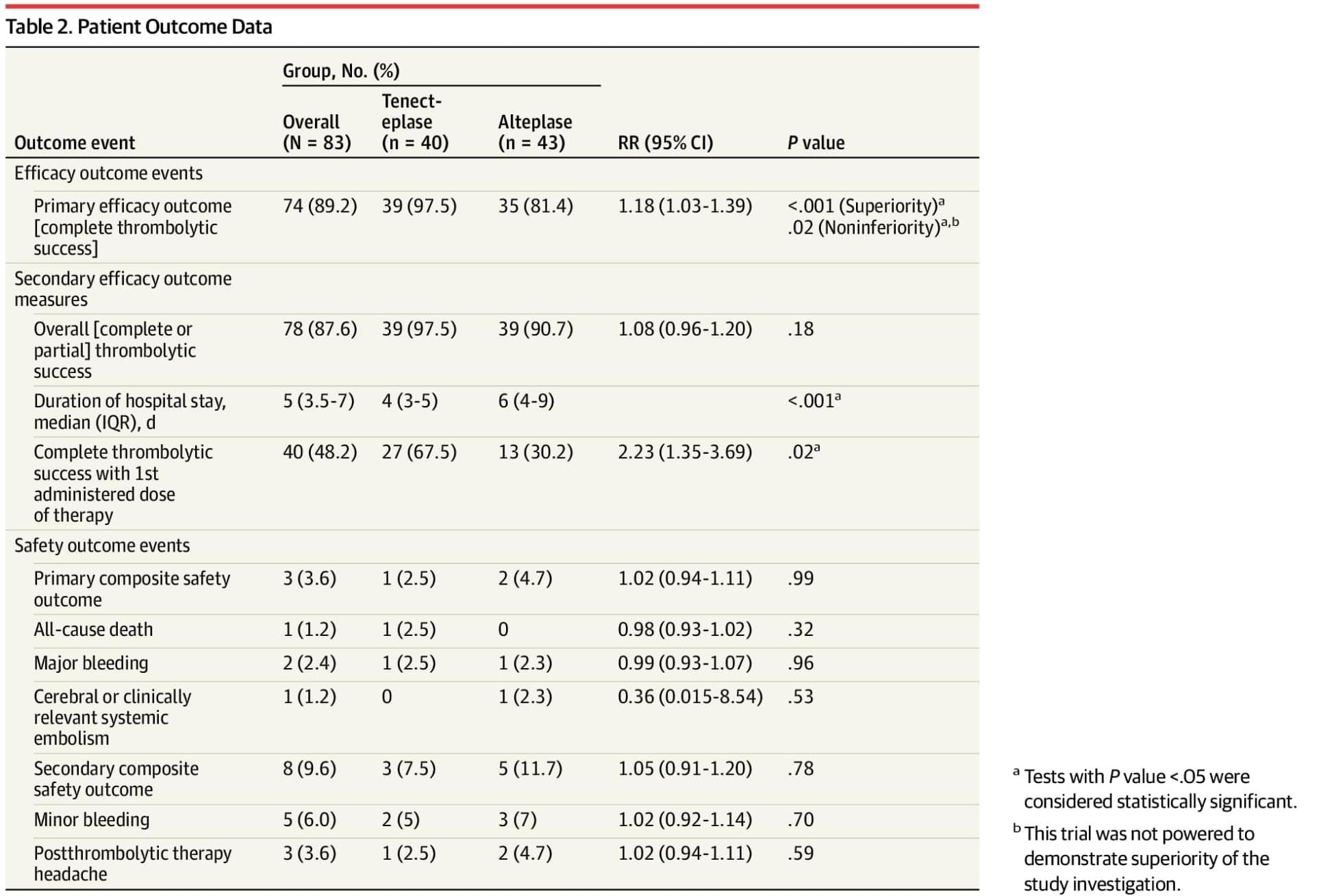
RCT: Among patients with obstructive prosthetic heart valve thrombosis, tenecteplase achieved higher complete thrombolytic success (97.5%) than alteplase (81.5%) and a shorter hospital stay.
Question What is the safety and efficacy of a single bolus of intravenous tenecteplase as compared with a low-dose slow-infusion protocol of alteplase in patients with obstructive mechanical prosthetic heart valve thrombosis?
Findings In this randomized clinical trial including 83 patients, tenecteplase was found to have noninferior rates of complete thrombolytic therapy success compared with alteplase. There was no difference in adverse events between the 2 groups.
Meaning Study results show that a regimen of bolus-dose tenecteplase may be a safe and efficacious alternative to current therapy for patients with prosthetic heart valve thrombosis.
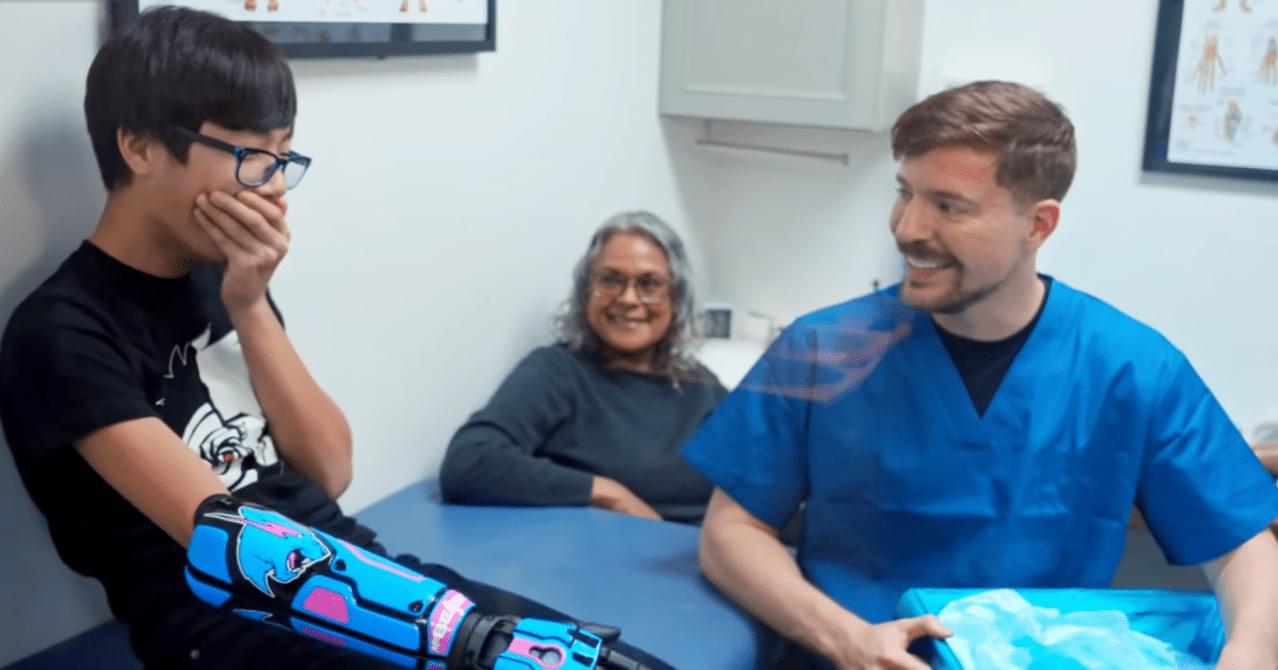
Twelve‑year‑old Kai Pollnitz from Georgetown received a life‑changing surprise when YouTube creator MrBeast gifted him a custom Open Bionics Hero PRO robotic hand. Kai, who was born with a congenit…
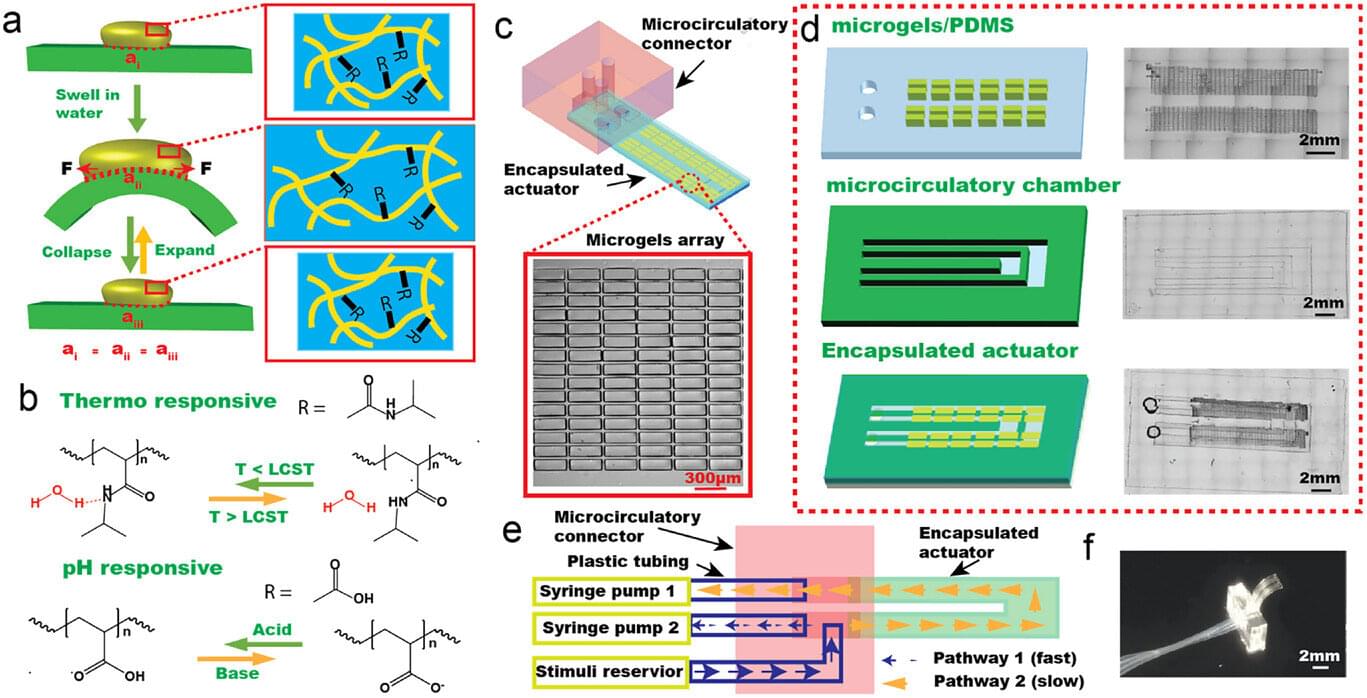
Researchers are continuing to make progress on developing a new synthetic material that behaves like biological muscle, an advancement that could provide a path to soft robotics, prosthetic devices and advanced human-machine interfaces. Their research, recently published in Advanced Functional Materials, demonstrates a hydrogel-based actuator system that combines movement, control and fuel delivery in a single integrated platform.
Biological muscle is one of nature’s marvels, said Stephen Morin, associate professor of chemistry at the University of Nebraska–Lincoln. It can generate impressive force, move quickly and adapt to many different tasks. It is also remarkable in its flexibility in terms of energy use and can draw on sugars, fats and other chemical stores, converting them into usable energy exactly when and where they are needed to make muscles move.
A synthetic version of muscle is one of the Holy Grails of material science.
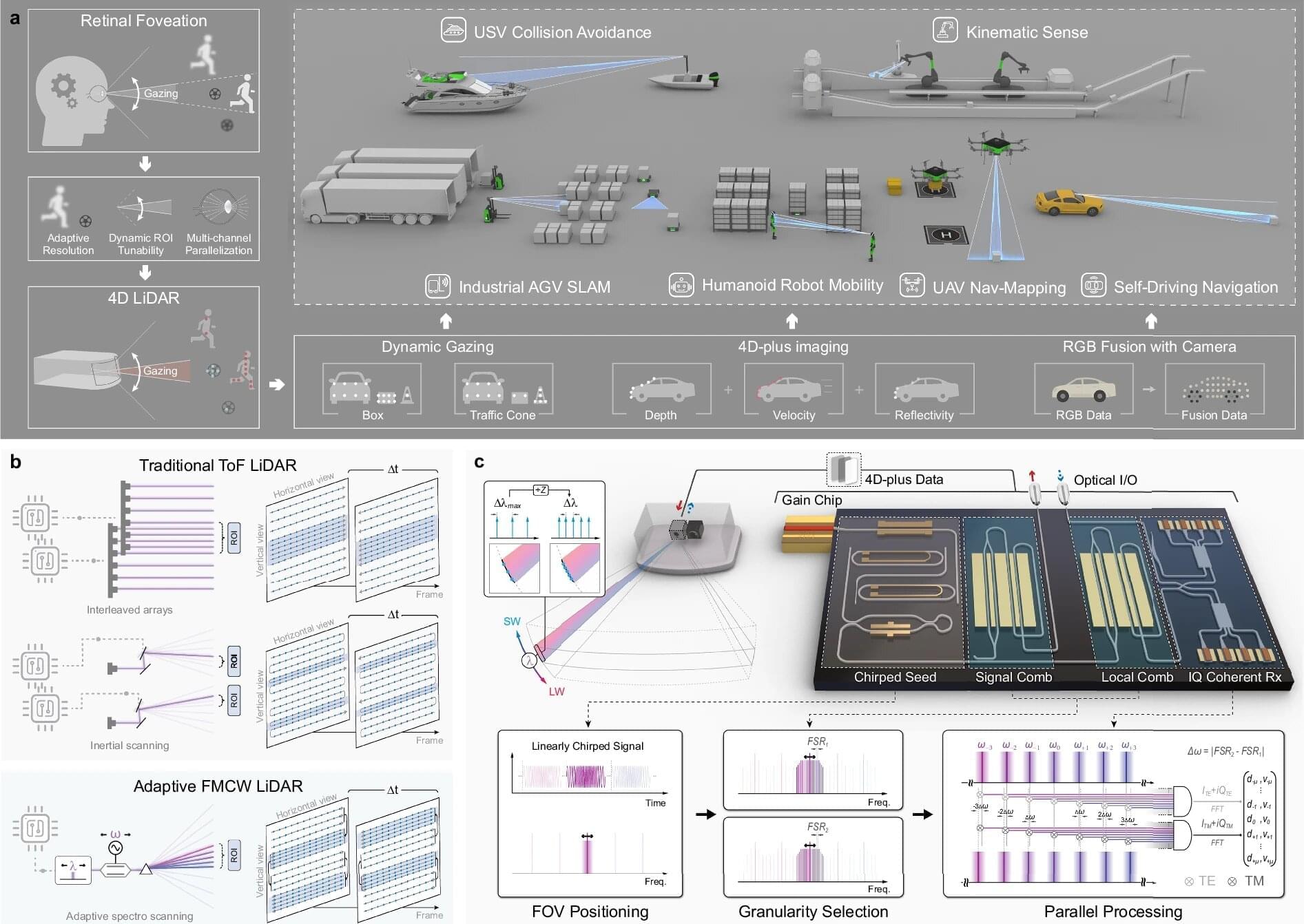
In a recent study, researchers from China have developed a chip-scale LiDAR system that mimics the human eye’s foveation by dynamically concentrating high-resolution sensing on regions of interest (ROIs) while maintaining broad awareness across the full field of view.
The study is published in the journal Nature Communications.
LiDAR systems power machine vision in self-driving cars, drones, and robots by firing laser beams to map 3D scenes with millimeter precision. The eye packs its densest sensors in the fovea (sharp central vision spot) and shifts gaze to what’s important. By contrast, most LiDARs use rigid parallel beams or scans that spread uniform (often coarse) resolution everywhere. Boosting detail means adding more channels uniformly, which explodes costs, power, and complexity.
Within the next 200 years, humans will have become so merged with technology that we’ll have evolved into “God-like cyborgs”, according to Yuval Noah Harari, an historian and author from the Hebrew University of Jerusalem in Israel.
This technology is quite different from the workings of most robots used today. Many robots lack the ability to sense touch at all, and those that do can usually only detect simple pressure. Such robots lack self-protective reflexes.
In these systems, touch information first travels to the software, where it is analysed step-by-step before a response is determined. This process might be acceptable for robots working within safety enclosures in factories, but it’s insufficient for humanoid robots working in close proximity to humans.
Unlike humans, robots cannot heal themselves. However, scientists say the best alternative is quick and easy repair. According to them, the new skin converts touch signals into neural-like pulses and activates protective reflexes upon detecting pain. The skin can also detect damage, and thanks to its modular design, damaged sections can be quickly replaced.