Toggle light / dark theme

Our brains may learn more from rare events than from repetition

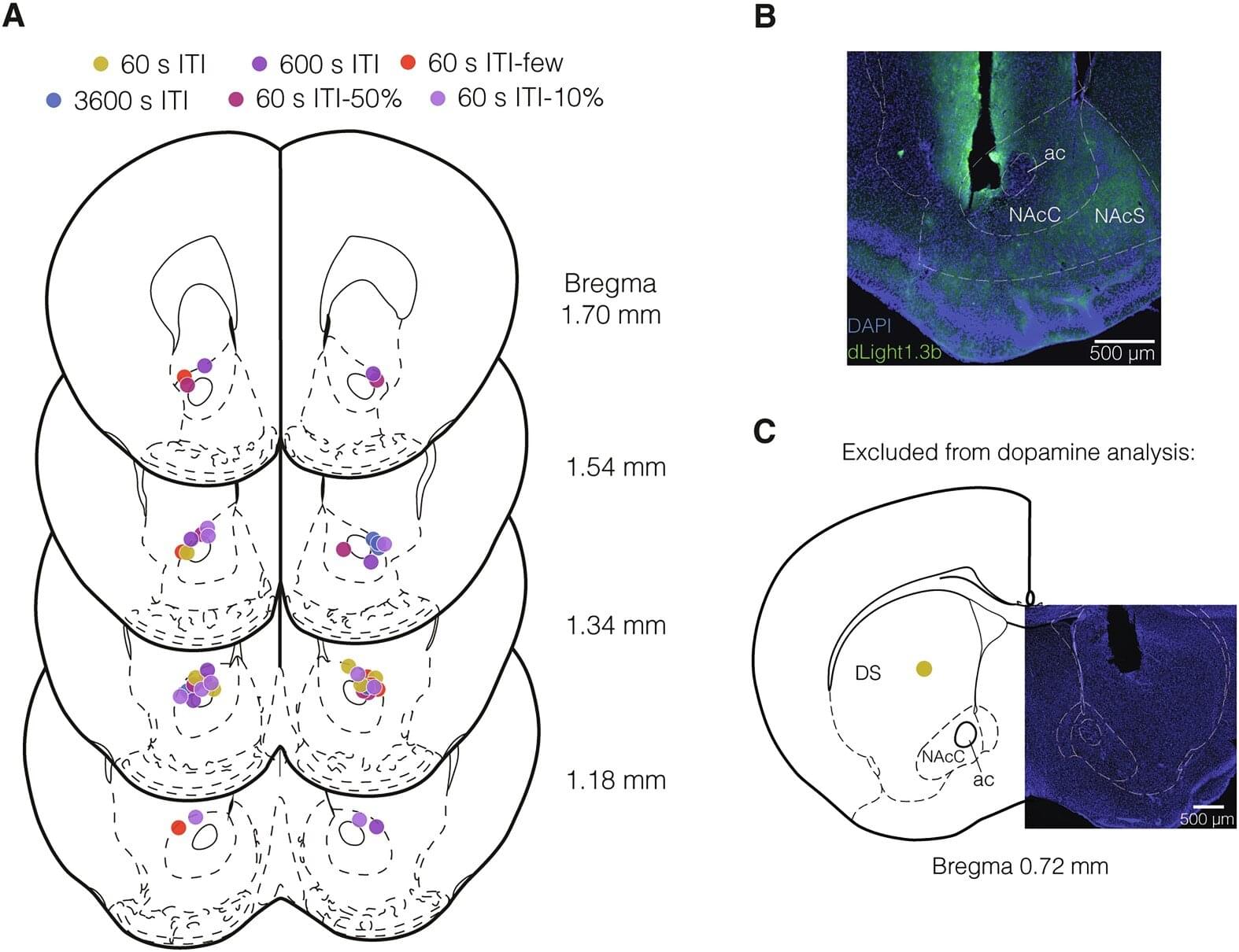
More than a century ago, Pavlov trained his dog to associate the sound of a bell with food. Ever since, scientists have assumed the dog learned this through repetition. The more times the dog heard the bell and then got fed, the better it learned that the sound meant food would soon follow.

Now, scientists at UC San Francisco are upending this 100-year-old assumption about associative learning. The new theory asserts that it depends less on how many times something happens and more on how much time passes between rewards.

“It turns out that the time between these cue-reward pairings helps the brain determine how much to learn from that experience,” said Vijay Mohan K. Namboobidiri, Ph.D., an associate professor of Neurology and senior author of the study, published in Nature Neuroscience.

Particles don’t always go with the flow (and why that matters)

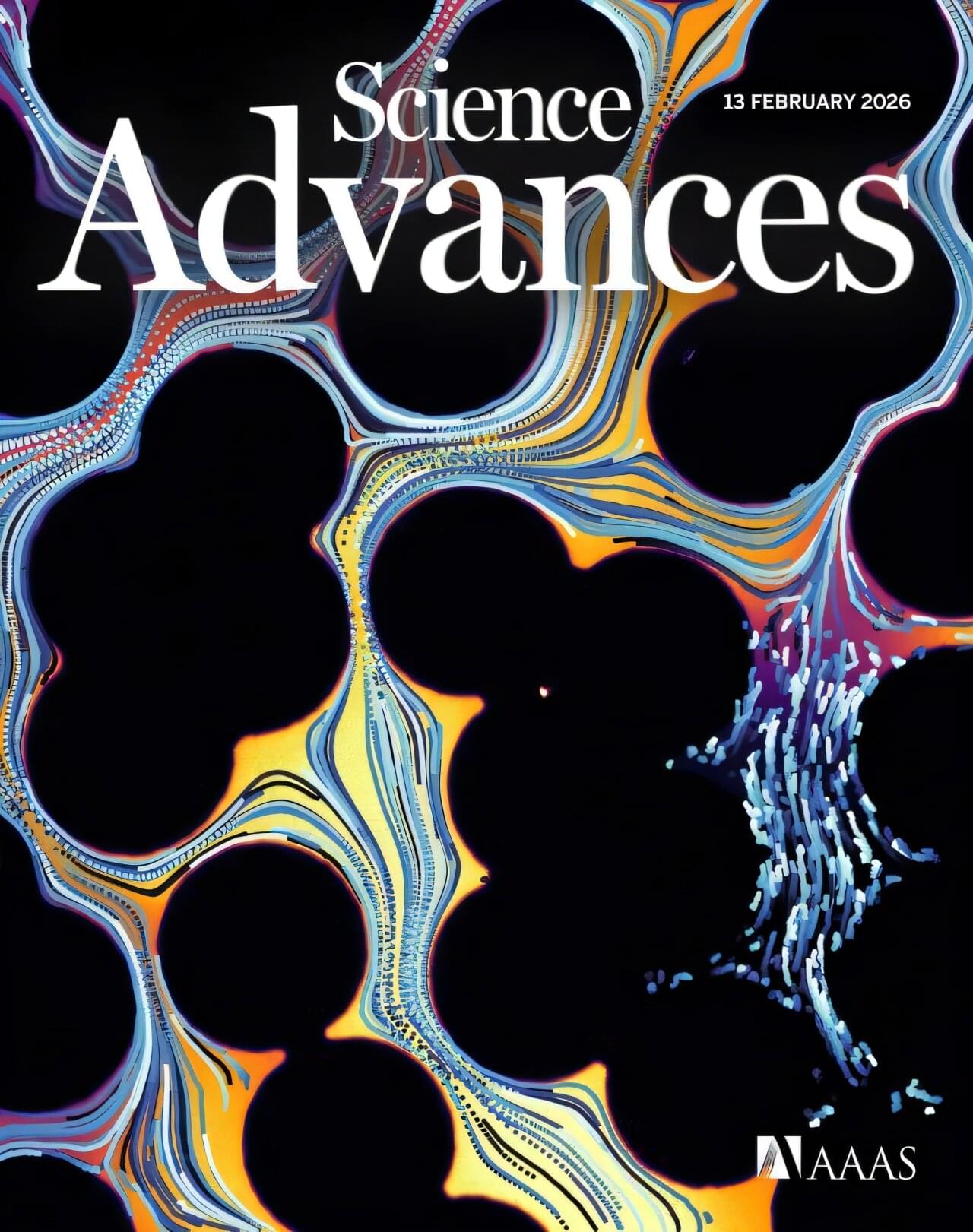
It is commonly assumed that tiny particles just go with the flow as they make their way through soil, biological tissue, and other complex materials. But a team of Yale researchers led by Professor Amir Pahlavan shows that even gentle chemical gradients, such as a small change in salt concentration, can dramatically reshape how particles move through porous materials. Their results are published in Science Advances.

How small particles known as colloids, like fine clays, microbes, or engineered particles, move through porous materials such as soil, filters, and biological tissue can have significant and wide-ranging effects on everything from environmental cleanups to agriculture.

It’s long been known that chemical gradients—that is, gradual changes in the concentration of salt or other chemicals—can drive colloids to migrate directionally, a phenomenon known as diffusiophoresis. But it was often assumed that this effect would matter only when there was little or no flow, because phoretic speeds are typically orders of magnitude smaller than average flow speeds in porous media. Experiments set up in Pahlavan’s lab demonstrated a very different outcome.

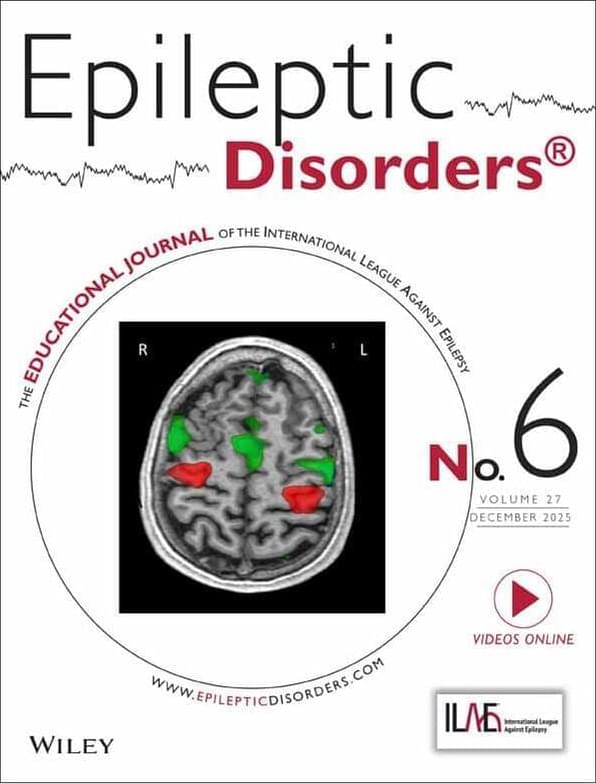
The enigma of reflex eating epilepsy: A cohort study of 50 patients with insights from multimodal evaluation

“EE is a disabling form of reflex epilepsy with heterogeneous clinical, EEG and neuroimaging features, which are not necessarily substrate-specific. Findings from our study point to the presence of a wide epileptogenic network prominently involving perisylvian regions. Treatment outcomes in drug-refractory EE remain suboptimal, and further studies are needed for a better understanding and management of this complex entity.”

Read this original article from Epileptic Disorders at doi.org/10.1002/epd2.70132.


Objectives To evaluate the clinical, electroencephalographic (EEG), neuroimaging characteristics, and treatment outcomes of patients diagnosed with eating epilepsy (EE). Methods This retrospective study was conducted at a tertiary care epilepsy referral center in India. Patients diagnosed with EE between 2002 and 2025, with at least one EEG and magnetic resonance imaging (MRI) available for review, were consecutively included. Clinical data and multimodal evaluation findings including video EEG, brain MRI, positron emission tomography-MRI (PET-MRI), and magnetoencephalography (MEG) were systematically collected using a structured proforma. Seizure outcomes and treatment strategies were subsequently analyzed.

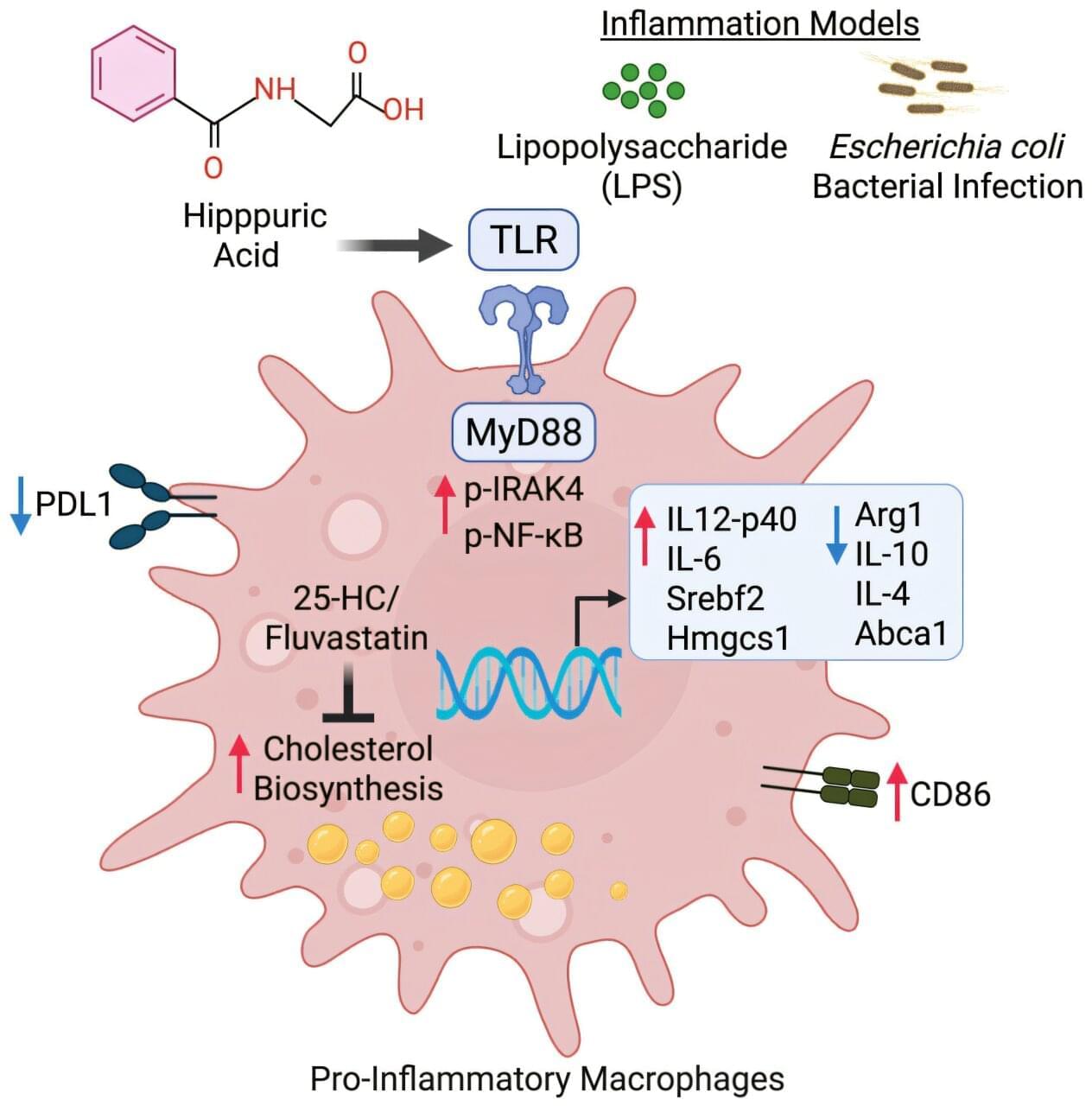
Gut-derived metabolite hippuric acid ‘turns up’ immune inflammation, study finds

Scientists at The Wistar Institute have identified a previously overlooked mediator in the body’s response to life-threatening infections: hippuric acid, a metabolite produced when gut bacteria break down polyphenols from berries, tea, and other plant-based foods. The research reveals that this molecule acts as an immune-system amplifier, boosting the body’s inflammatory defenses during early infection but elevating them to deadly levels when infections progress to sepsis.

Published in Cell Reports, the study demonstrates that elevated hippuric acid levels correlate with increased mortality in sepsis patients, while also uncovering the molecular mechanisms by which this metabolite modifies immune responses. The findings could lead to new approaches for managing severe infections and, potentially, for treating pancreatic cancer.

“Hippuric acid is a metabolite that has historically been seen as a benign byproduct of metabolism and is therefore understudied,” said Rahul S. Shinde, D.V.M., Ph.D., assistant professor in the Molecular and Cellular Oncogenesis Program at the Ellen and Ronald Caplan Cancer Center at The Wistar Institute and senior author of the study. “This paper identifies that it’s not just a passive byproduct. It has bioactive potential to influence the immune system.”

Isotopes reveal how social status shaped diet in medieval England

Isotope analysis reveals that social status and wealth had a profound impact on diet in medieval England, showing that people from different social groups in medieval Cambridge ate markedly different food. The research, carried out as part of the “After the Plague” project at the University of Cambridge and published in the journal Antiquity, analyzed carbon and nitrogen isotopes preserved in bone collagen from individuals buried in Cambridge between the 10th and 16th centuries AD.

Historical documents suggest that medieval diets were dominated by grain products (bread, ale, etc.) and supplemented with dairy, eggs, fruit, and vegetables, while access to meat and fish varied widely depending on wealth, status and religious rules. However, such sources offer only a broad picture and don’t allow for a more complex, person-focused analysis of how social differences shaped real lives.

“Scholars knew that food was an important social marker in medieval England, and there are lots of textual references to different groups and classes eating differently,” says co-author of the study, Professor John Robb from the University of Cambridge. “We wanted to see if this was simply a stereotype or actually resulted in lifelong choices that affected people’s bodies.”
How cyberattacks on grocery stores could threaten food security

Grocery store shoppers at many chains recently ran into an unwelcome surprise: empty shelves and delayed prescriptions. In early November, Ahold Delhaize USA was the victim of a cyberattack that significantly disrupted operations at more than 2,000 stores, including Hannaford, Food Lion and Stop and Shop. Specific details of the nature of the attack have not yet been publicly released.

Because the attack affected many digital systems, some stores were not able to accept credit/debit cards, while others had to shut down online ordering. Additionally, Hannaford’s website was offline for several days. Food supply issues have lasted several weeks in some cases, especially in the New England area, illustrating the impact cyberattacks have on people’s everyday lives.

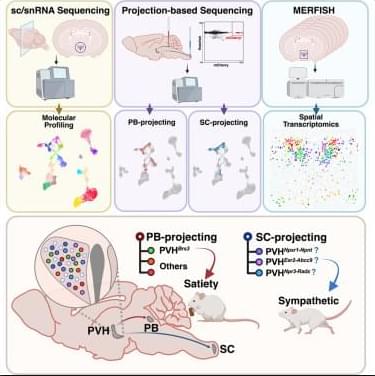
A spatial and projection-based transcriptomic atlas of paraventricular hypothalamic cell types

Li et al. present a spatial transcriptomic atlas of the mouse paraventricular hypothalamus (PVH) and provide molecular markers for parabrachial-and spinal cord-projecting PVH populations. They further show that Brs3-expressing PVH neurons regulate satiety, as they co-express Mc4r, cause weight gain when silenced, and reduce food intake via parabrachial projections.

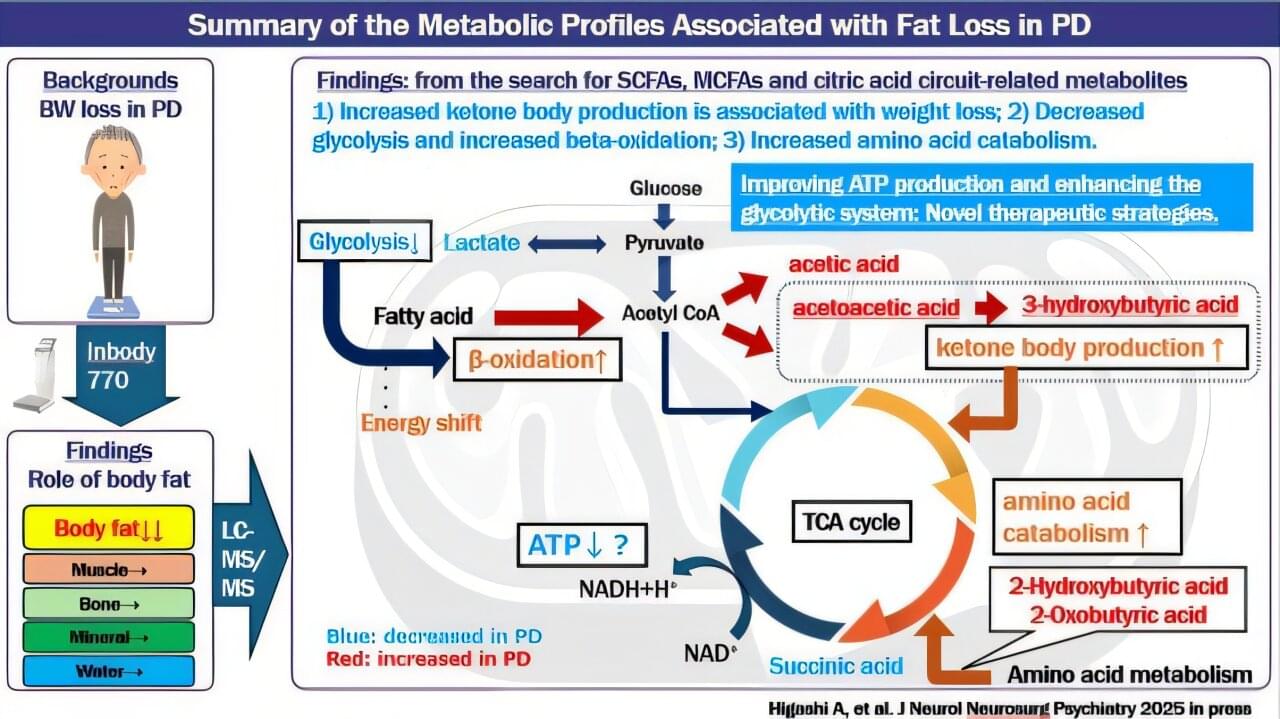
Parkinson’s disease triggers a hidden shift in how the body produces energy

Weight loss is a well-recognized but poorly understood non-motor feature of Parkinson’s disease (PD). Many patients progressively lose weight as the disease advances, often alongside worsening motor symptoms and quality of life. Until now, it was unclear whether this reflected muscle loss, poor nutrition, or deeper metabolic changes. New research shows that PD-related weight loss is driven mainly by a selective loss of body fat, while muscle mass is largely preserved, and is accompanied by a fundamental shift in how the body produces energy.

Although PD is classically viewed as a neurological disorder, increasing evidence points to widespread metabolic dysfunction. Patients often experience fatigue and nutritional decline, yet dietary advice has largely focused on boosting calories. The new findings challenge this conventional view, showing that weight loss in PD reflects a failure of the body’s standard energy-producing pathways rather than reduced food intake alone. The findings are published in the Journal of Neurology, Neurosurgery & Psychiatry.

The study was led by Professor Hirohisa Watanabe from the Department of Neurology at Fujita Health University, School of Medicine, Japan, along with Dr. Atsuhiro Higashi and Dr. Yasuaki Mizutani from Fujita Health University. The team aimed to clarify what exactly is lost when patients with PD lose weight and why the body is forced to change its energy strategy.

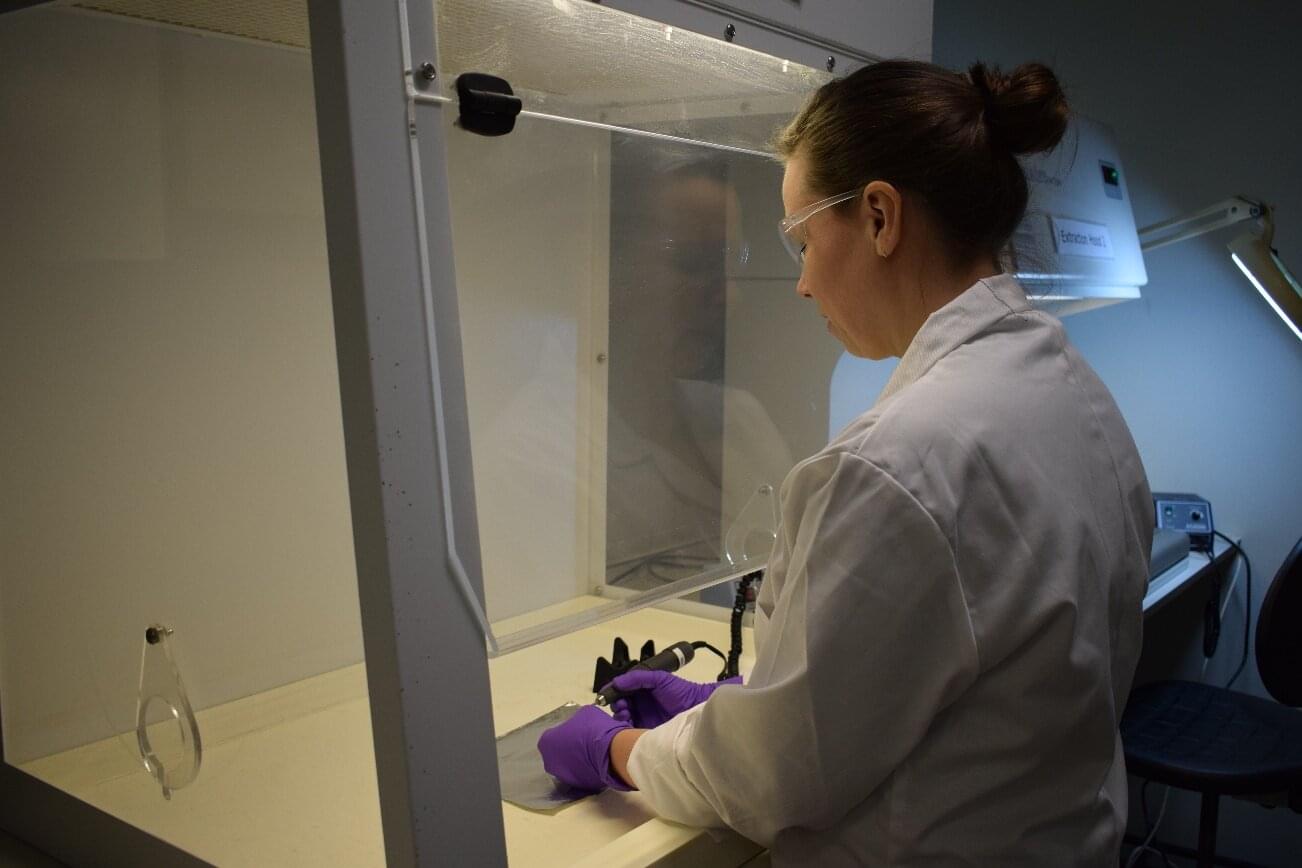
A microfluidic chip for one-step detection of PFAS and other pollutants

Environmental pollutant analysis typically requires complex sample pretreatment steps such as filtration, separation, and preconcentration. When solid materials such as sand, soil, or food residues are present in water samples, analytical accuracy often decreases, and filtration can unintentionally remove trace-level target pollutants along with the solids.

To address this challenge, a joint research team led by Dr. Ju Hyeon Kim at the Korea Research Institute of Chemical Technology (KRICT), in collaboration with Professor Jae Bem You’s group at Chungnam National University, has developed a microfluidic-based analytical device that enables direct extraction and analysis of pollutants from solid-containing samples without any pretreatment. The study was published in ACS Sensors

Water, food, and environmental samples encountered in daily life may contain trace amounts of hazardous contaminants that are invisible to the naked eye.

/* */