Toggle light / dark theme

Hologram processing method boosts 3D image depth of focus fivefold

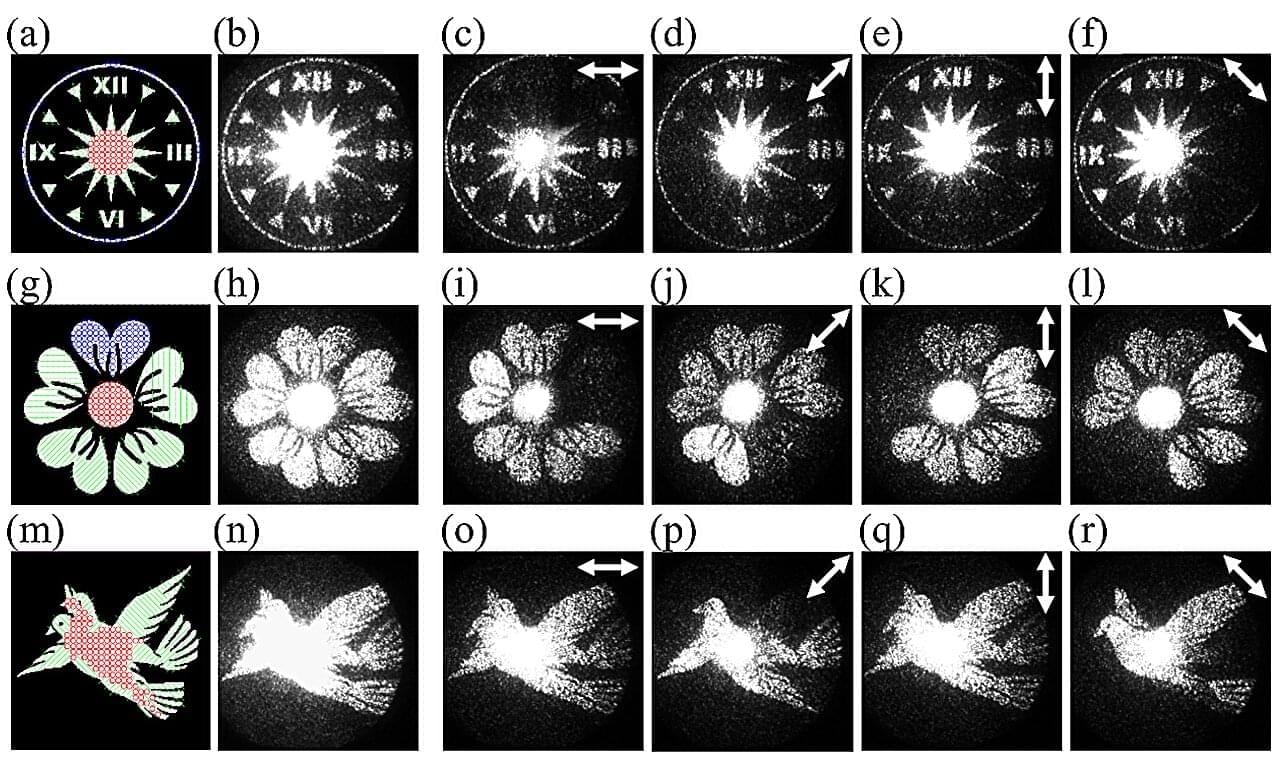
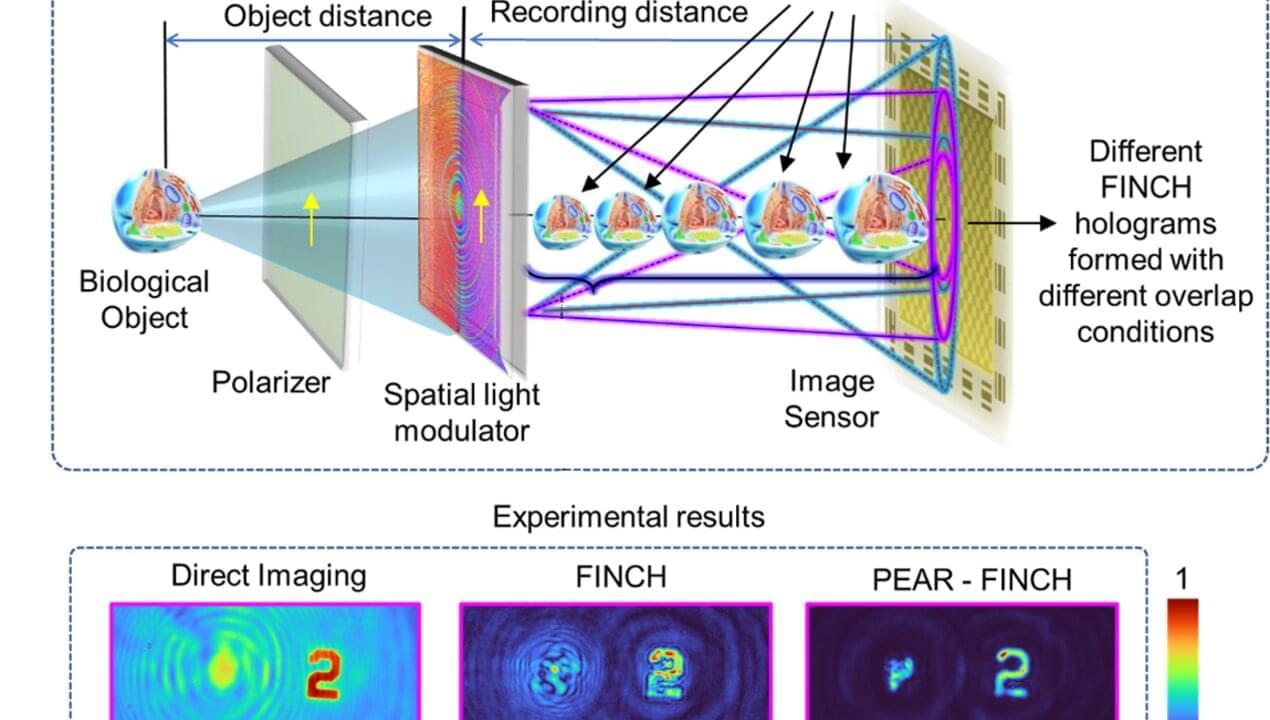
Researchers from the University of Tartu Institute of Physics have developed a novel method for enhancing the quality of three-dimensional images by increasing the depth of focus in holograms fivefold after recording, using computational imaging techniques. The technology enables improved performance of 3D holographic microscopy under challenging imaging conditions and facilitates the study of complex biological structures.

The research results were published in the Journal of Physics: Photonics in the article “Axial resolution post-processing engineering in Fresnel incoherent correlation holography.”

One of the main limitations of conventional microscopes and 3D imaging systems is that, once an image or hologram has been recorded, its imaging properties cannot be altered. To overcome this limitation, Shivasubramanian Gopinath, a Junior Research Fellow at the University of Tartu Institute of Physics, and his colleagues have developed a new method that enables to capture a set of holograms with different focal distances at the time of acquisition, instead of a single image. These can then be computationally combined to produce a synthetic hologram that offers a much greater depth of focus than conventional approaches, and allows for post-processing of the recorded image.
New agentic AI platform accelerates advanced optics design

Stanford engineers debuted a new framework introducing computational tools and self-reflective AI assistants, potentially advancing fields like optical computing and astronomy.

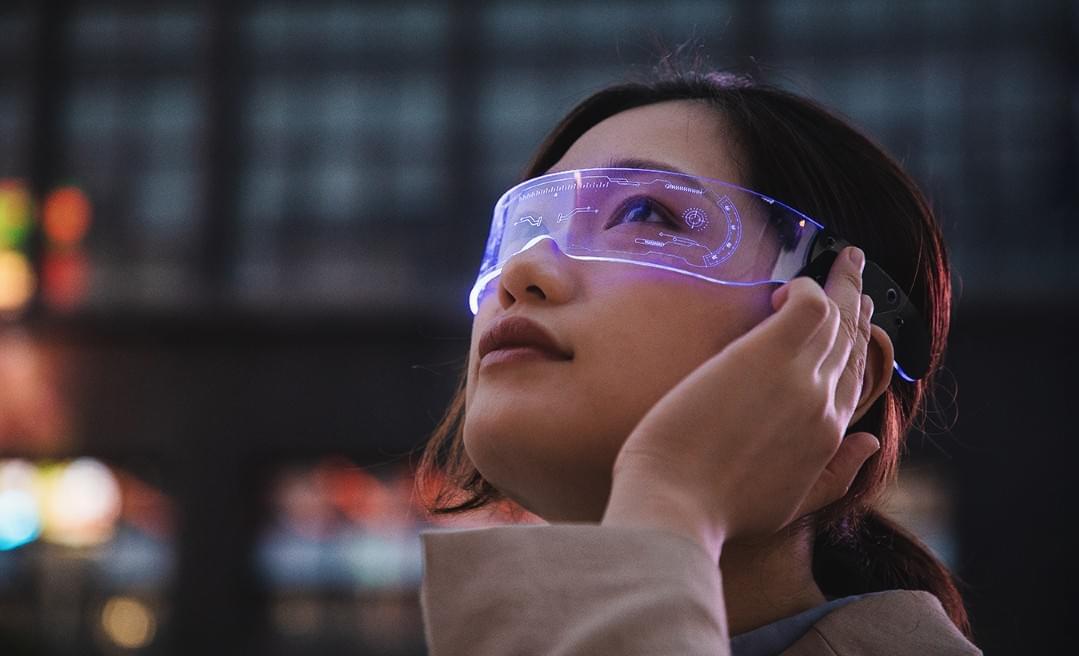
Hyper-realistic holograms, next-generation sensors for autonomous robots, and slim augmented reality glasses are among the applications of metasurfaces, emerging photonic devices constructed from nanoscale building blocks.

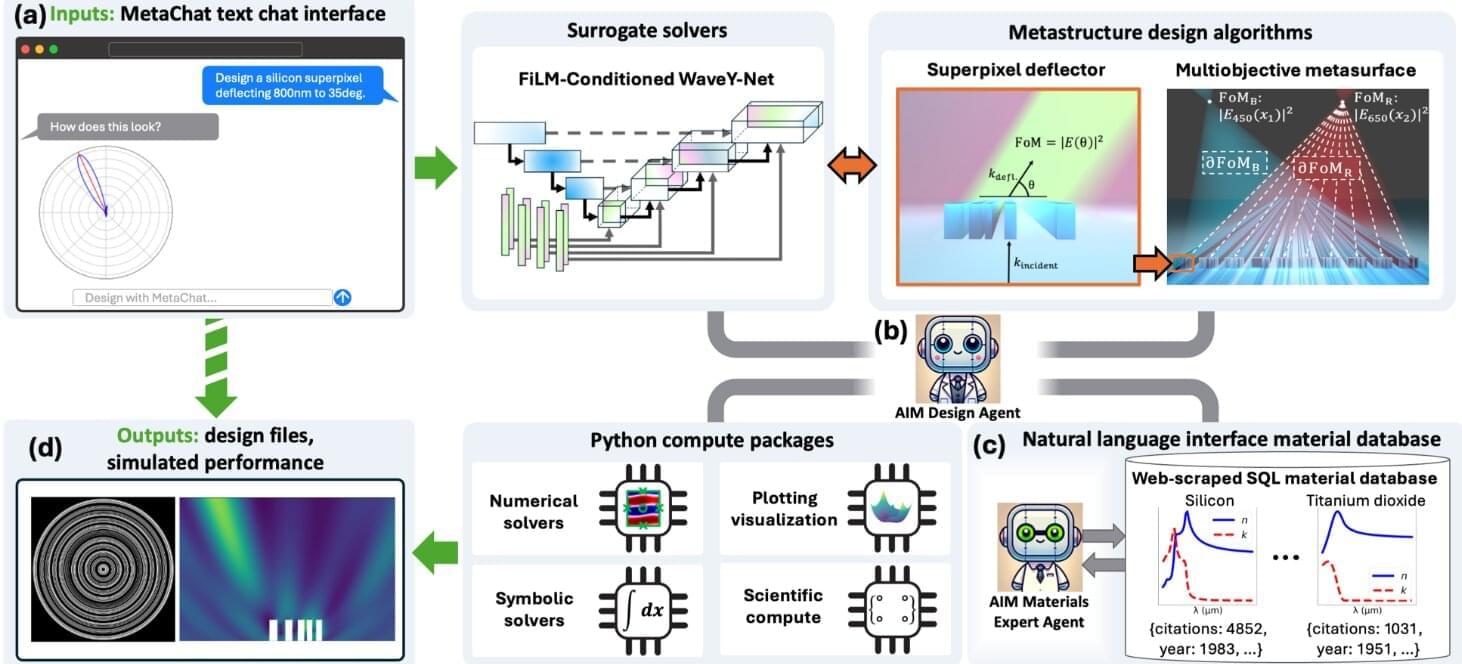
Now, Stanford engineers have developed an AI framework that rapidly accelerates metasurface design, with potential widespread technological applications. The framework, called MetaChat, introduces new computational tools and self-reflective AI assistants, enabling rapid solving of optics-related problems. The findings were reported recently in the journal Science Advances.

Scientists unveil breakthrough pixel that could put holograms on your smartphone

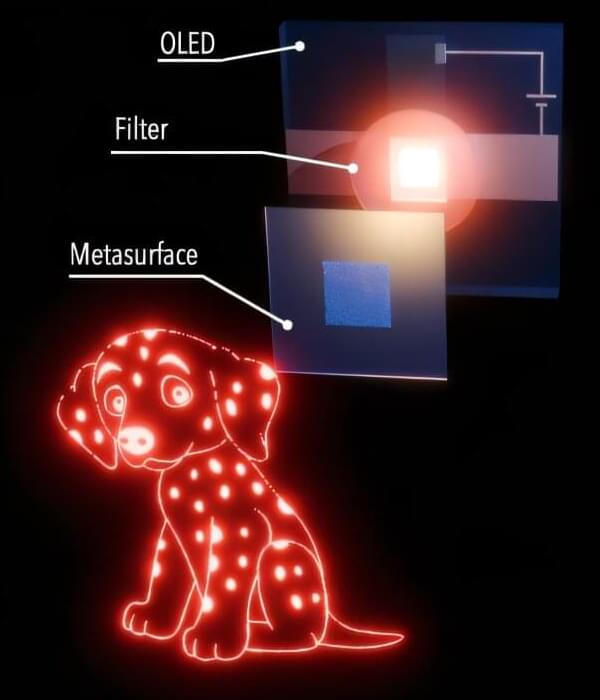
A team at the University of St Andrews has unlocked a major step toward true holographic displays by combining OLEDs with holographic metasurfaces. Unlike traditional laser-based holograms, this compact and affordable method could transform smart devices, entertainment, and even virtual reality. The breakthrough allows entire images to be generated from a single OLED pixel, removing long-standing barriers and pointing to a future of lightweight, miniaturized holographic technology.

From Sci-Fi to Reality: New Breakthrough Could Bring Holograms to Your Phone

New research from the University of St Andrews is advancing holographic technology, with potential applications in smart devices, communication, gaming, and entertainment. In a paper published in the journal Light, Science and Application, physicists from the School of Physics and Astronomy reported the creation of a new optoelectronic device that combines Holographic Metasurfaces (HMs) with Organic Light-Emitting Diodes (OLEDs).

Until now, holograms have typically been generated using lasers. The St Andrews team, however, demonstrated that pairing OLEDs with HMs provides a more compact and straightforward method. This approach is not only easier to implement but also less expensive, addressing one of the key challenges that has limited wider use of holographic technology.

OLEDs are thin-film devices already common in mobile phone displays and some televisions, where they create colored pixels. Because they are flat and emit light across their surface, OLEDs are also promising for emerging fields such as optical wireless communication, biophotonics, and sensing. Their versatility and ability to integrate with other components make them well-suited for developing miniaturized, light-based systems.

New technology turns paintings into holograms, bringing art to life

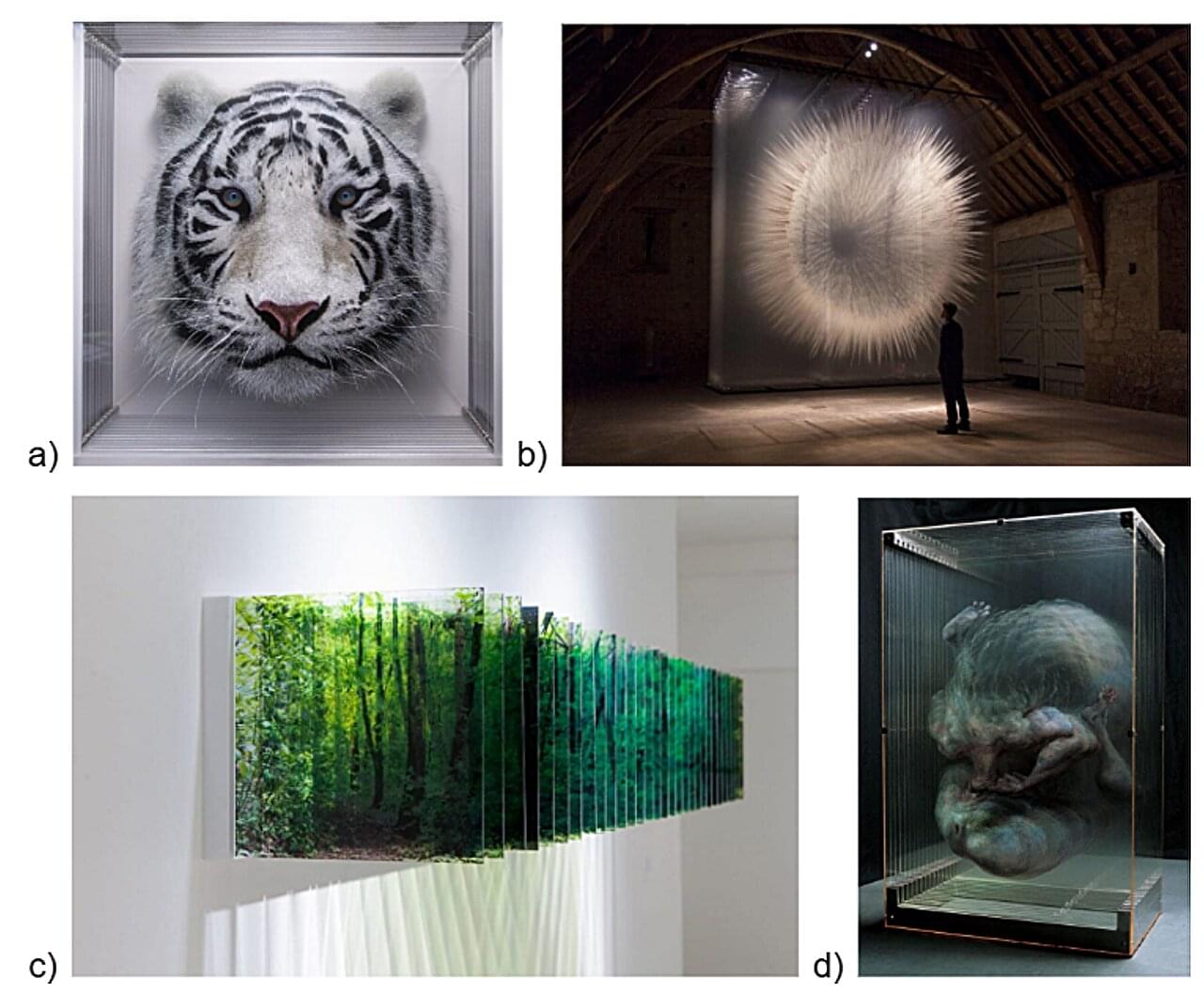
Artists are always looking for new ways to create and express themselves. A growing trend is the use of multiple layers of see-through materials, such as Plexiglas, to create paintings that have real depth, transforming two-dimensional images into three-dimensional illusions that feel more realistic and lifelike. But can these layered works be made even more immersive?

A new study, published in Royal Society Open Science, answers this question by demonstrating a novel process to transform a multilayer acrylic painting into a full-color, three-dimensional hologram. In addition to offering a striking way to experience art, this technique provides a novel method for preserving and reproducing valuable works.

The researchers used a painting of a tiger titled “Taxonomy Test 1” by renowned Colombian artist Yosman Botero. He created the by painting in acrylic on nine transparent layers of Plexiglas.

Optoelectronics research could bring holograms to your smartphone and closer to everyday use

New research from the University of St Andrews paves the way for holographic technology, with the potential to transform smart devices, communication, gaming and entertainment.

In a study published in Light: Science & Applications, researchers from the School of Physics and Astronomy created a new optoelectronic device from the combined use of holographic metasurfaces (HMs) and (OLEDs).

Until now, holograms have been created using lasers. However, researchers have found that using OLEDs and HMs gives a simpler and more compact approach that is potentially cheaper and easier to apply, overcoming the main barriers to hologram technology being used more widely.

Tiny hologram inside a fiber lets scientists control light with incredible precision

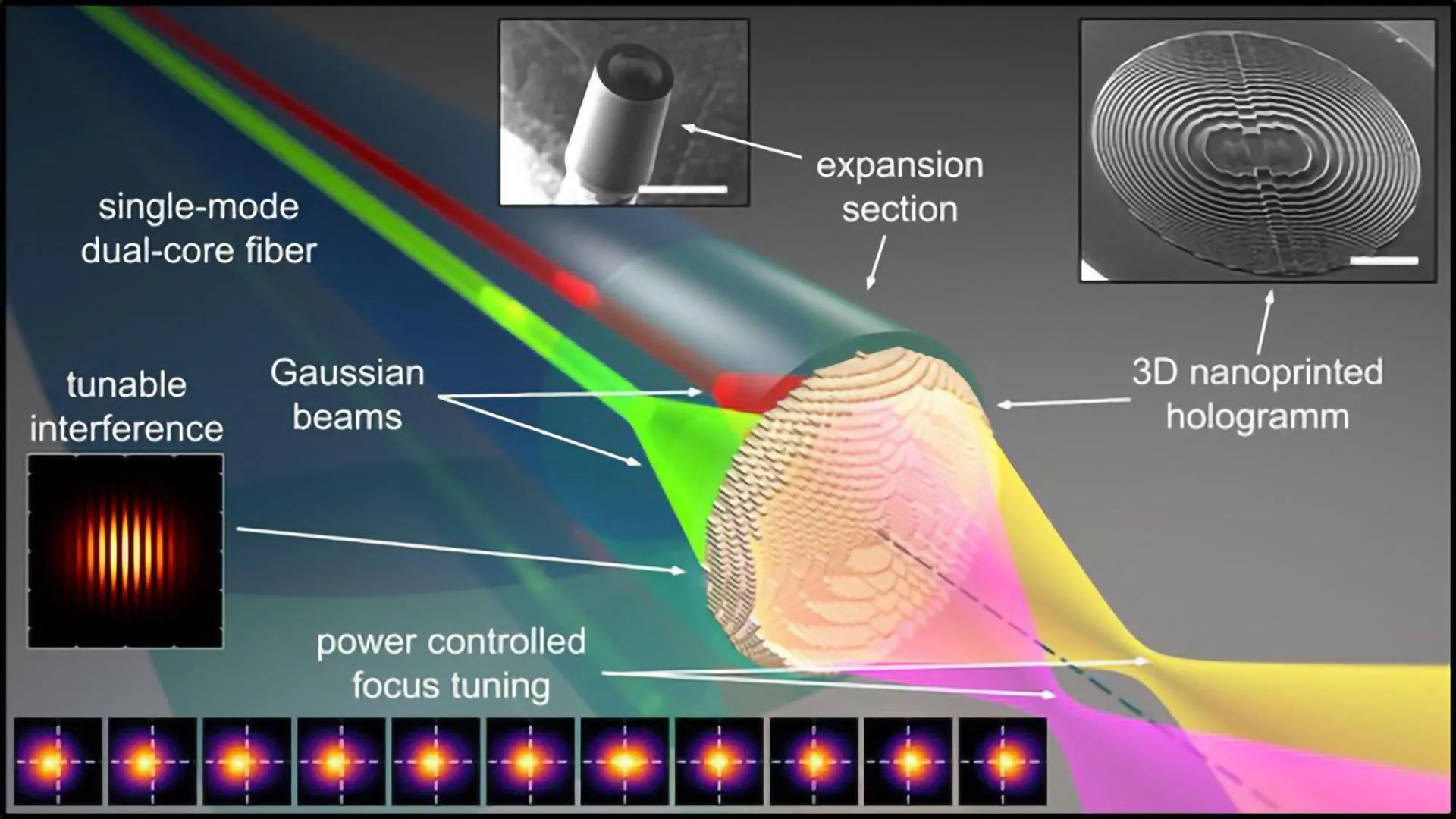
Researchers in Germany have unveiled the Metafiber, a breakthrough device that allows ultra-precise, rapid, and compact control of light focus directly within an optical fiber. Unlike traditional systems that rely on bulky moving parts, the Metafiber uses a tiny 3D nanoprinted hologram on a dual-core fiber to steer light by adjusting power between its cores. This enables seamless, continuous focus shifts over microns with excellent beam quality.

Ultrathin metasurface enables high-efficiency vectorial holography

Holography—the science of recording and reconstructing light fields—has long been central to imaging, data storage, and encryption. Traditional holographic systems, however, rely on bulky optical setups and interference experiments, making them impractical for compact or integrated devices. Computational methods such as the Gerchberg–Saxton (GS) algorithm have simplified hologram design by eliminating the need for physical interference patterns, but these approaches typically produce scalar holograms with uniform polarization, limiting the amount of information that can be encoded.

/* */