Toggle light / dark theme

Plasma-based strategies for systemic rejuvenation: critical perspectives on clinical translation

Experimental models such as heterochronic parabiosis and heterochronic plasma transfer have profoundly advanced our understanding of systemic aging, demonstrating that circulating factors can influence brain, vascular, and immune aging through cell nonautonomous mechanisms. These preclinical models have revealed that both pro-geronic and anti-geronic signals in blood can modulate neuroinflammation, neurovascular health, and cognitive resilience. However, despite their experimental promise, the clinical translation of these findings, particularly through plasma-based interventions in humans, remains fraught with uncertainty.

Is Ketogenesis Required For Metabolic Improvements On A Calorie-Restricted Diet?

Join us on Patreon! https://www.patreon.com/MichaelLustgartenPhD

Discount Links/Affiliates:
Blood testing (where I get the majority of my labs): https://www.ultalabtests.com/partners/michaellustgarten.

Blood testing with LifeExtension.com: https://www.anrdoezrs.net/click-101614996-15750394

At-Home Metabolomics: https://www.iollo.com?ref=michael-lustgarten.
Use Code: CONQUERAGING At Checkout.

Clearly Filtered Water Filter: https://get.aspr.app/SHoPY

Epigenetic, Telomere Testing: https://trudiagnostic.com/?irclickid=U-s3Ii2r7xyIU-LSYLyQdQ6…M0&irgwc=1

Future Day 2026

🛰️Future Day is coming soon ⚡️

Participants include: Anders Sandberg, Ben Goertzel, Hugo de Garis, Roman Yampolskiy, Lev Lafayette, Adam Ford, Christine Peterson, Robin Hanson, Aubrey de Grey, Joscha Bach, James Hughes and Danica Dillion.


Live from Australia! This time we have Future Day spanning 3 days – from March 2nd to March 4nd AEDT – from March 1st to March 5th PST.

Why not celebrate the amazing future we are collectively creating?

Future Day 2026 -> where the future isn’t just discussed, but actively shaped.

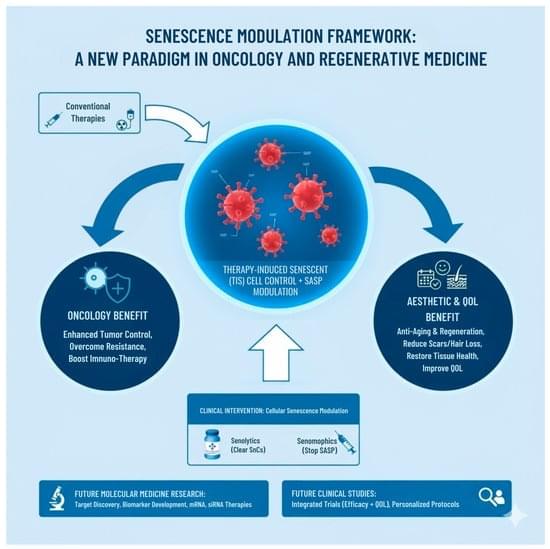
Senescence Modulation: An Applied Science Review of Strategies in Anti-Aging, Regenerative Aesthetics, and Oncology Therapy

Cellular senescence is an irreversible cell cycle arrest, triggered by stressors like telomere shortening, DNA damage, and oncogenic signaling.

Polyamine metabolism as a regulator of cellular and organismal aging

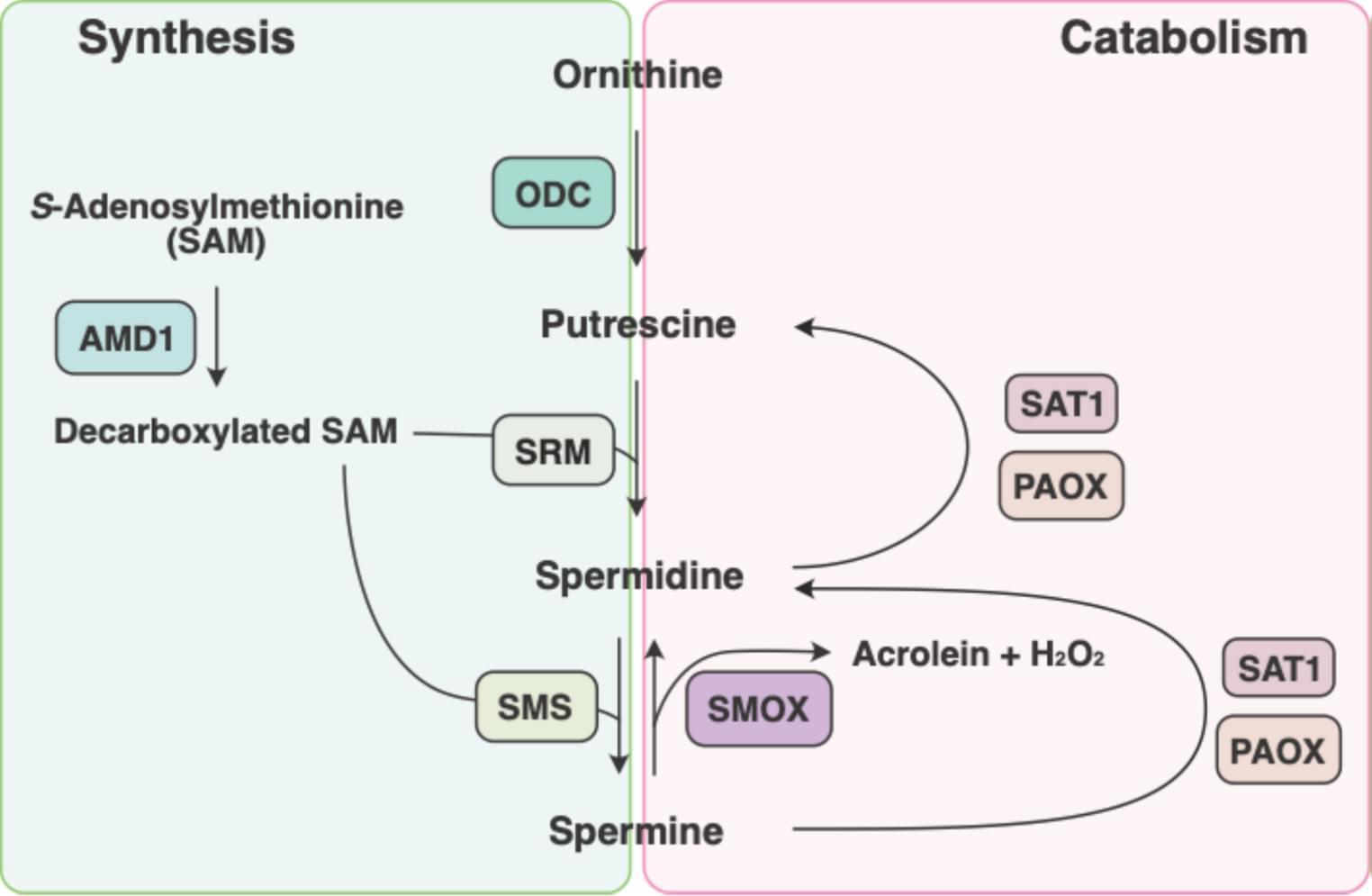
Polyamines — putrescine, spermidine, and spermine — are ubiquitous cationic molecules that are essential for cellular proliferation and homeostasis. Their intracellular concentrations decline with age, contributing to physiological and cognitive deterioration. Recent studies have revealed that spermidine supplementation extends lifespan and improves cognitive and cardiac function in various model organisms, suggesting that maintaining polyamine balance has anti-aging potential. Polyamine metabolism is tightly regulated through biosynthesis, degradation, and transport; however, age-associated upregulation of spermine oxidase (SMOX) and accumulation of its toxic byproduct acrolein promote oxidative damage and cellular senescence. Suppressing SMOX activity or polyamine degradation attenuates senescence markers and DNA damage, highlighting spermine catabolism as a therapeutic target. Polyamines also modulate epigenetic regulation, including DNA methylation and histone acetylation, thereby influencing gene expression and chromatin structure during aging. Moreover, polyamine-dependent hypusination of eIF5A sustains protein synthesis in senescent cells. These multifaceted actions indicate that polyamine metabolism integrates redox control, translational regulation, epigenetic maintenance and autophagy to determine cellular and organismal longevity. While animal studies demonstrate clear anti-aging effects of spermidine and spermine, human clinical evidence remains limited, with variable outcomes likely due to bioavailability and metabolic conversion. Future strategies combining dietary or probiotic polyamine enhancement, enzyme-targeted inhibitors, and personalized metabolic interventions hold promise for extending healthspan. Collectively, maintaining optimal polyamine homeostasis emerges as a key approach to counteract aging and age-related diseases.

Anti-aging effect of Hedgehog signaling

Aging weakens the body’s ability to maintain balance and repair damage, increasing vulnerability to disease. This study reveals that the Hedgehog (Hh) signaling pathway plays a crucial role in preserving tissue integrity and regenerative capacity. Using animal models, researchers found that activating Hh signaling in multiple tissues such as the liver and brain enhances tissue repair and mitigates age-related functional decline. These findings suggest that targeting Hh signaling could be a promising strategy to promote healthy aging by enhancing regeneration and alleviating age-related dysfunction.

This summary was initially drafted using artificial intelligence, then revised and fact-checked by the author.

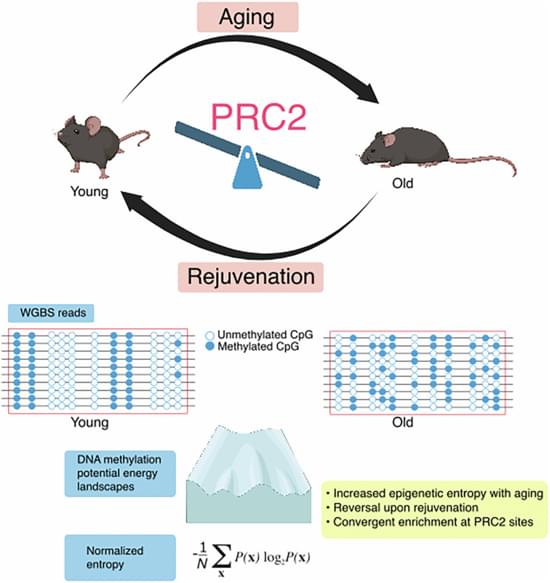
Convergence of aging- and rejuvenation-related epigenetic alterations on PRC2 targets

Rejuvenation of tissues in physiologically aging mice can be accomplished by long-term partial reprogramming via expression of reprogramming factors (Oct4, Sox2, Klf4, and c-Myc). To investigate the epigenetic determinants of partial reprogramming-mediated rejuvenation, we used whole-genome bisulfite sequencing to carry out unbiased comprehensive profiling of DNA methylation changes in skin from mice subjected to partial reprogramming, as well as young and untreated old controls. We found a striking convergence of age- and rejuvenation-related epigenetic alterations on targets of the Polycomb repressive complex 2 (PRC2), with increased DNA methylation level and entropy over these regions. Native ChIP demonstrated extensive loss of H3K27me3 in aged epidermis compared to young, partially overlapping regions with age- and rejuvenation-related DNA methylation changes. In addition, large H3K9me2-marked “LOCK” heterochromatin domains defined the boundaries for hypomethylated highly entropic regions during aging. These results are also supported by a likewise prominent enrichment of PRC2 targets in gene expression data, suggesting that PRC2 activity can modulate aging and mediate tissue rejuvenation.

Japanese government panel endorses Sumitomo Pharma’s iPS-derived treatment for Parkinson’s

The expert council of the Japanese Ministry of Health has approved two regenerative medicine drugs based on induced pluripotent stem cells (iPSCs) — a cure for Parkinson’s disease and heart failure. If the health minister approves the experts’ decision, Japan will become the first country in the world to allow the commercial sale of such products — almost 20 years after the discovery of the technology itself.


Japan’s health ministry said on Thursday a panel of specialists had endorsed Sumitomo Pharma’s iPS cell-derived treatment for Parkinson’s disease, paving the way for the world’s first medical products based on the technology.

/* */